Best Energy Tracking Apps in 2026: Tested and Compared
One clear energy score, or five different opinions? We tested the top apps so you don’t have to.
By Anjali Singh · Jul 2, 2026
Category:Energy
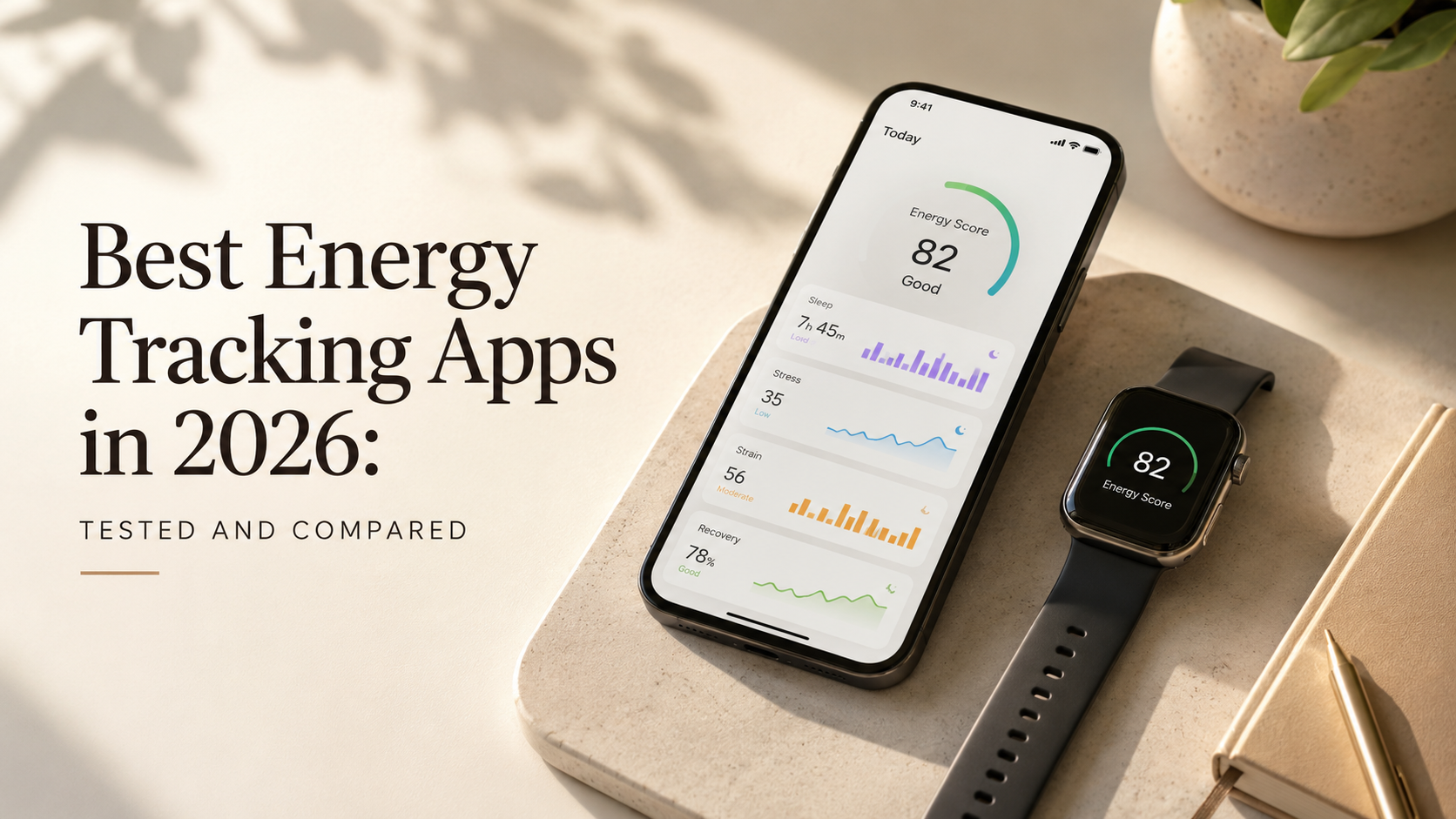
Your alarm goes off. You feel... okay? Maybe? It’s genuinely hard to tell.
So you reach for your phone. Different apps, different numbers, zero agreement. You stare at the screen for a second, put it down, and make coffee. Because none of that actually told you anything.
The problem isn't your body or a lack of data. It's that you have more information than you know what to do with and none of it is telling you what to actually do today. They just hand you a number and walk away, with no real answer to the only question that matters: should I push my body today, or should I rest?
So we tested the top energy tracking apps in 2026 to find the ones that actually answer that.
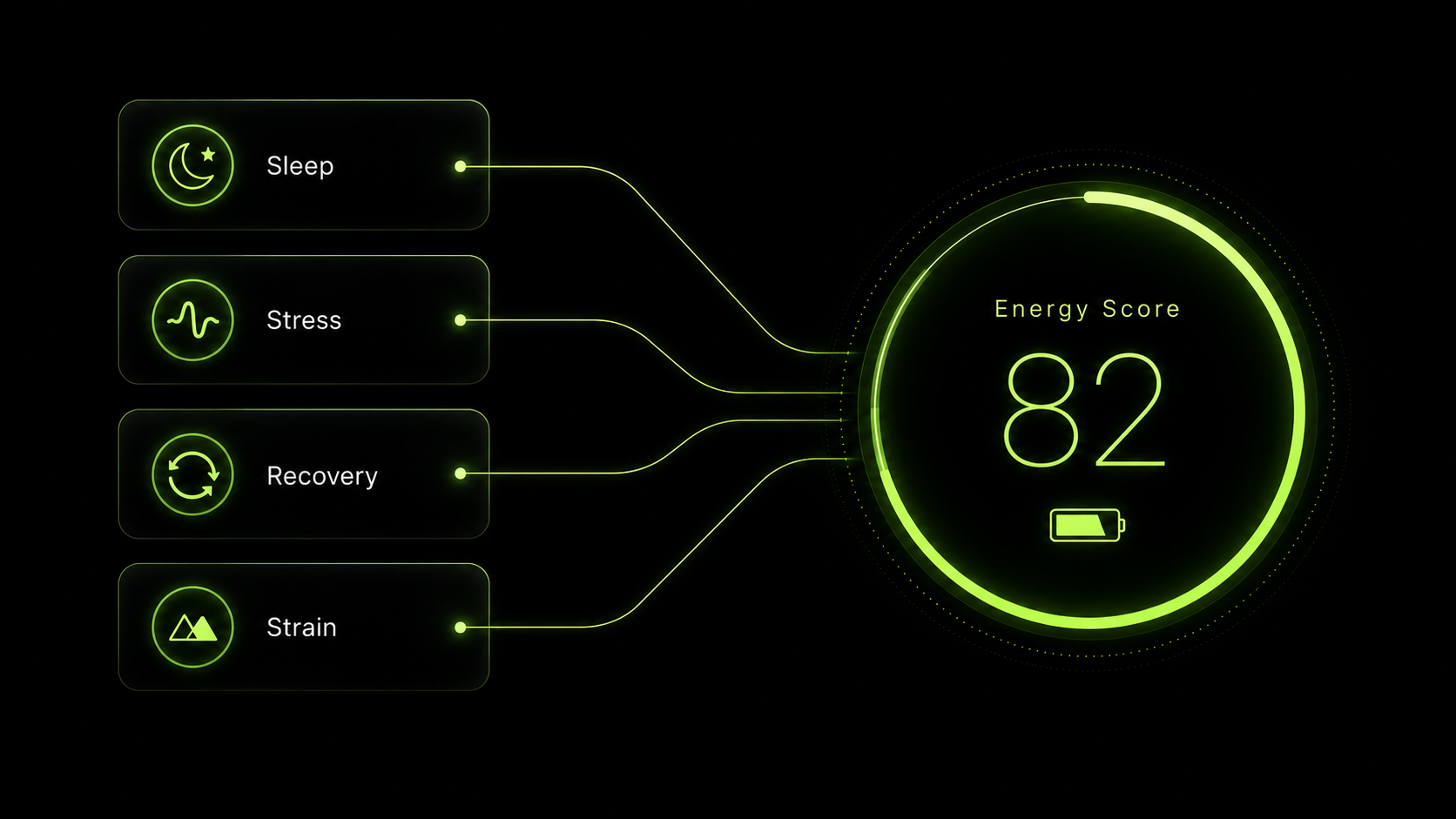
For most people, Ensta wins: one free score, your existing devices, plain English. WHOOP makes sense for athletes who want actual coaching, not just data. Oura is for people whose sleep is where everything falls apart. Garmin Body Battery is the obvious choice if you're already wearing a Garmin anyway.
Let’s take a more detailed look at how they stack up.
Quick picks: best energy tracking apps in 2026
- Ensta - Best for most people (simple, free, cross‑device energy score)
- WHOOP - Best for coaching and training load depth
- Oura - Best for sleep‑first readiness and recovery insights
- Garmin Body Battery - Best if you already own a Garmin watch
- RISE - Best for planning your day around energy peaks and dips
- My Energy Tracker - Best for simple manual energy-journaling
Best energy tracking apps in 2026 at a glance
| App | Price / Free tier | Devices supported | Key metric | Standout feature | Subscription |
|---|---|---|---|---|---|
| Ensta | Free | Phone + existing wearables (cross-device) | 0-100 Energy Score | Single score across all your devices + plain-language "what to do today" | No |
| WHOOP | Paid membership | WHOOP band only | Recovery (0-100%) + Strain (0-21) | Deep coaching: tells you exactly how hard to train today | Yes |
| Oura | Ring + membership | Oura Ring only | Readiness Score (0-100) | Best-in-class sleep staging + temperature-based signals | Yes |
| Garmin Body Battery | Watch purchase (metrics are included for free) | Garmin watches only | Body Battery (5-100) | Energy baked into a full training ecosystem | No (beyond watch) |
| RISE | Free trial, then paid | iOS / Android, no wearable needed | Circadian energy curve | Schedules your day around your actual peak energy windows | Yes |
| My Energy Tracker | Free (in-app purchases) | iPhone only | Manual 0-100% log | Simple slider logging with trend charts so no wearable required | No |
How did we choose these energy tracking apps?
We came into this with some assumptions. Fancier hardware means better data, right? That turned out to be the wrong question.
We used each app the way most people actually would. Hectic mornings, skipped gym sessions, sleepless nights, daily commute. The questions we kept asking: is the score easy to understand? Does it work with what I already have? Does it tell me what to do, or just what happened?
These questions may sound simple. Yet most apps still can't answer all three.
Ensta: best energy tracking app for most people
Verdict: The easiest way to see your body’s “battery” in one place. One score. All your devices. Instead of giving you stats, Ensta explains what happened and how to fix any issues.
Best for:
People who are tired of data without direction. Anyone needing a free, simple way to understand their real-world energy on a budget and without juggling three different metrics.
Pros
- Single 0-100 Energy Score instead of separate recovery/readiness/body-battery metrics
- Pulls data from your existing phone and wearables. No new hardware needed
- AI-powered insights that connect your habits to your energy, in plain language
- Free to download and use
Cons
- Requires connecting your existing health data sources for best results, which takes a few minutes up front.
- Not a medical device and doesn’t diagnose health conditions. It helps you spot patterns, not replace your doctor.
Price / devices: Free app on major app stores; works with your phone and existing wearables where supported.
Pick this if... you want one energy score that actually makes sense and do not feel like comparing three different apps just to figure out whether today is a push day or a rest day.
WHOOP: best for coaching and serious training
Verdict: A coach on your wrist for people who actually need one. It's a tight, well-built system. It's also complete overkill if you're not training hard enough to need it.
Best for: Athletes who train daily for hours, serious gym-goers, and anyone who prioritizes their training and needs daily guidance on how hard to push.
Pros
- Recovery score (0-100%) that reflects sleep, HRV (Heart Rate Variability) and resting vitals.
- Strain score (0-21) and Strain Coach that guide how hard to train.
- Strong community and training content for performance‑focused users.
Cons
- Requires WHOOP hardware and a recurring membership.
- More complex graphs and coaching prompts than many casual users want.
Price / devices: Membership model with strap; WHOOP band only.
Pick this if... your training is structured enough that recovery data will actually change what you do next, not just give you something interesting to look at.
Oura: best energy tracking app for sleep and readiness
Verdict: Oura leads with sleep and wraps energy around it with premium hardware. Its recent updates factors in menstrual‑cycle‑related changes and subtle temperature shifts, making it especially strong for spotting early signs of strain or illness.
Best for: People who suspect their sleep is the root of their energy problems. Anybody who wants a discreet ring that monitors sleep stages, temperature, HRV, resting heart rate, etc.
Pros
- Best-in-class sleep staging and a Readiness Score that actually reflects the quality of your rest
- Temperature trends that can flag cycle changes and subtle shifts in health
- Discreet ring form factor since many people prefer it to a bulky watch
Cons
- Requires buying the Ring plus a membership.
- Locked to Oura's own hardware so can't use cross-device data
Price / devices: Oura Ring hardware + subscription.
Pick this if... you keep feeling off even after a full night in bed and want a closer look at whether sleep quality is the thing dragging your energy down.
Garmin Body Battery: best if you already own a Garmin watch
Verdict: Your Garmin watch already has this - you're just not using it fully. Body Battery is a built in feature of these watches that gives you a genuinely holistic picture of where your body is. It estimates your energy reserves using HRV, stress readings, sleep quality, and activity.
Best for: Runners, cyclists and triathletes. In short, it's for endurance athletes who already track everything in Garmin Connect and just want energy data layered on top.
Pros
- Body Battery (around 5-100) estimates how charged or drained you are.
- Deep integration with training load, HRV Status and workout data in Garmin Connect.
- No extra subscription; included on many watches.
Cons
- Multiple overlapping scores (Body Battery, Training Readiness, HRV Status) can be confusing.
- Hardware‑locked: you need a Garmin watch to use it.
Price / devices: Available on many Garmin watches; you pay for the device, not the metric.
Pick this if... you already live in Garmin Connect and want your energy data to sit next to the training metrics you are already checking anyway.
RISE: best for planning your day around energy
Verdict: A calendar for your energy peaks and dips. RISE maps your daily energy curve (sharp windows, afternoon dips, the slow climb back) using your sleep history and circadian biology, then nudges you to schedule your hardest work when your brain is actually on. Obvious idea. Surprisingly few apps do it.
Best for: Remote workers, creatives, and anyone who controls their own calendar and wants to use it better.
Pros
- Uses sleep debt (the gap between the sleep your body needs and the sleep it's actually getting) and circadian rhythm (your body's internal 24-hour clock) to forecast daily energy
- Practical nudges for scheduling deep work, meetings, and recovery windows
Cons
- No direct HRV or sensor‑level data. It’s more behavioral than biometric.
- Subscription after trial; not ideal if you want a free option.
Price / devices: Free trial, then paid subscription. iOS and Android, no wearable needed.
Pick this if... your main problem is not “am I tired?” but “when am I actually going to think clearly and get good work done today?”
My Energy Tracker: best for simple manual logging
Verdict: The simplest energy tracker on this list, by a long way. Open the app. Slide the bar to how you feel. Add a note if something stands out. That's it. Over time, My Energy Tracker builds a picture of your patterns: your best days, your worst days, the habits that keep showing up in the margins. No wearable, no subscription, no setup. Just you, paying a little more attention.
Best for: People who prefer to rate how they feel rather than sync more sensors.
Pros
- Minimal friction: log your energy in under 10 seconds
- Helpful analytics on your own subjective energy patterns
- Trend charts that reveal which days and habits map to better energy.
- No hardware needed
Cons
- Only as accurate as your logging consistency. Miss a few days and your trends degrade
- No physiological input; can't catch patterns you don't consciously notice
- Less helpful if you want detailed recovery or training guidance
Price / devices: Free iOS app with optional in‑app purchases.
Pick this if... you do not want another wearable, another subscription, or another dashboard, and would rather just log how you feel and notice the patterns over time.
What should you look for in an energy tracking app?
You need something that measures real-time usage while aligning your specific health goals. It should be pocket-friendly and work around your existing ecosystem (unless you are willing to splurge on appliances).
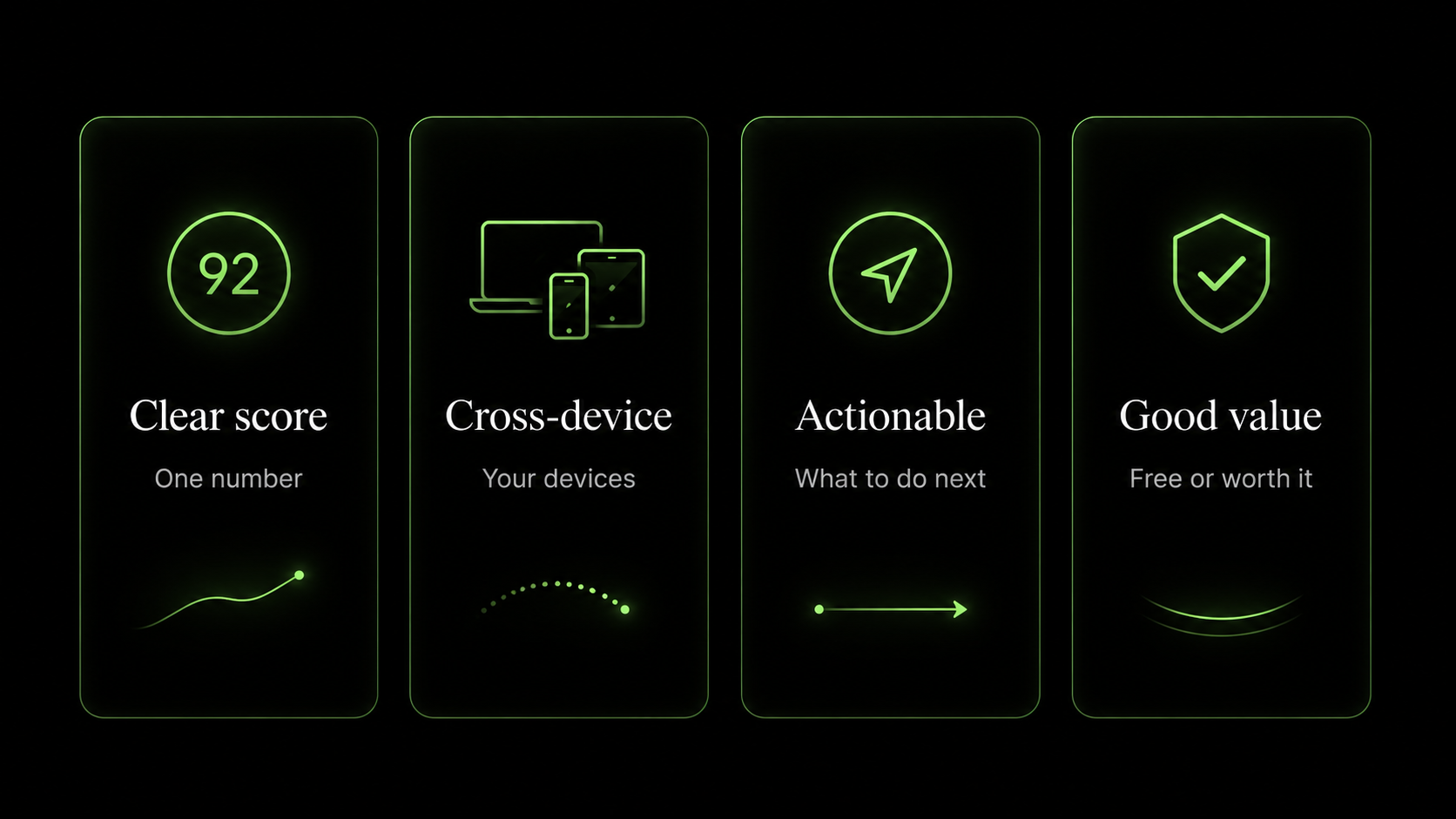
When you’re choosing an energy app, ask:
-
Can I actually understand the score?
A single 0-100 number is much easier to act on than three different dials that throw confusing stats at you. -
Does it work with what I already own?
Cross‑device apps like Ensta reduce friction and app‑hopping. -
Does it tell you what to do next?
“Your score dropped” is less helpful than “Your score dropped after late caffeine and short sleep. Here’s what you need to do tonight.” -
Is the price actually worth it for my goals?
If you just want better everyday energy, a free app may give you 90% of the value of a full hardware stack.
Understand that energy scores are great at showing trends like how sleep, stress, training and habits change your usable energy. But they are not diagnoses. Accuracy can vary by sensor quality, skin tone, BMI and movement, so treat scores as helpful signals, not absolute truth.
How to choose the right app for your body
To choose the one that works best for you ask this one simple question: what kind of tired are you?
-
‘I just want to know if today is a good day or a bad day’
That’s Ensta. One score, free, and works with whatever you already own. -
‘I train hard and I'm not sure when to push and when to rest’
That’s for WHOOP with the built-in coach or Garmin if you’d rather keep it inside your GPS watch. -
‘I slept 8 hours and still feel terrible’
That’s Oura’s lane. It goes deeper on sleep quality than anything else on this list. -
‘I know I’m tired, I just need help knowing when NOT to schedule the hard stuff’
RISE is your app. It maps your circadian energy peaks so you can plan around them. -
‘I just want to understand what’s draining me without buying more gadgets’
My Energy Tracker with its log-in, slider, and note providing a pattern over time. Sometimes, that’s enough.
FAQ
Are free energy tracking apps like Ensta good enough compared to paid wearables to track wellness?
For most average people, yes. If your goal is to simply understand when you feel drained or what habits move the needle then a free, cross‑device app like Ensta with a single 0-100 score and clear guidance will cover the essentials. However, serious athletes tracking minute gains will benefit more from dedicated hardware like WHOOP, Oura or Garmin.
Can I track my energy without buying new hardware?
Yes. Apps like Ensta, RISE and My Energy Tracker all work on your phone and use existing health data, sleep patterns or manual logs to map your energy. You may miss some HRV details, but you can track the essentials at a lower cost, which matters more for most people.
Is WHOOP worth it if I'm not a serious athlete?
Probably not since WHOOP's strength is its strain/recovery coaching loop. This is only powerful if you're training consistently and rigorously enough to stress and recover. For casual movers, the cost-to-insight ratio doesn't hold up.
How accurate are energy scores in general?
Here's the honest version: they're useful, not infallible. Sensor quality, skin tone, how much you fidget, how often you actually wear the thing…it all adds up to a score that's right more often than not, but not something to live and die by. Good signal. Imperfect measurement.
What can these apps actually do? And when should you see a doctor?
If you're waking up exhausted most days, snoring heavily, gasping at night, or getting regular morning headaches, please don't just adjust your bedtime. Those are symptoms, not random data. These apps can't diagnose sleep apnea, anemia, or a thyroid problem. If something feels persistently wrong, a doctor is the right next step, not a new wearable.
Right. So where does that leave you?
If you’re new to energy tracking and want one clear, cross‑device score that explains itself and suggests what to do next, Ensta is the best starting point for most people in 2026. Once you’ve tinkered around and seen how your body’s “battery” really behaves, you can always layer on more specialized tools like WHOOP, Oura or Garmin if you need sport‑specific depth (but you might find you don’t need to).
*This article is for informational purposes only and is not a substitute for professional medical advice, diagnosis or treatment.*
Sources:
Related articles
Recovery Score, Energy Score, Readiness, Body Battery — What Actually Matters
What recovery score means, how energy and readiness score differ, and body battery vs recovery — plus which numbers actually deserve your attention.
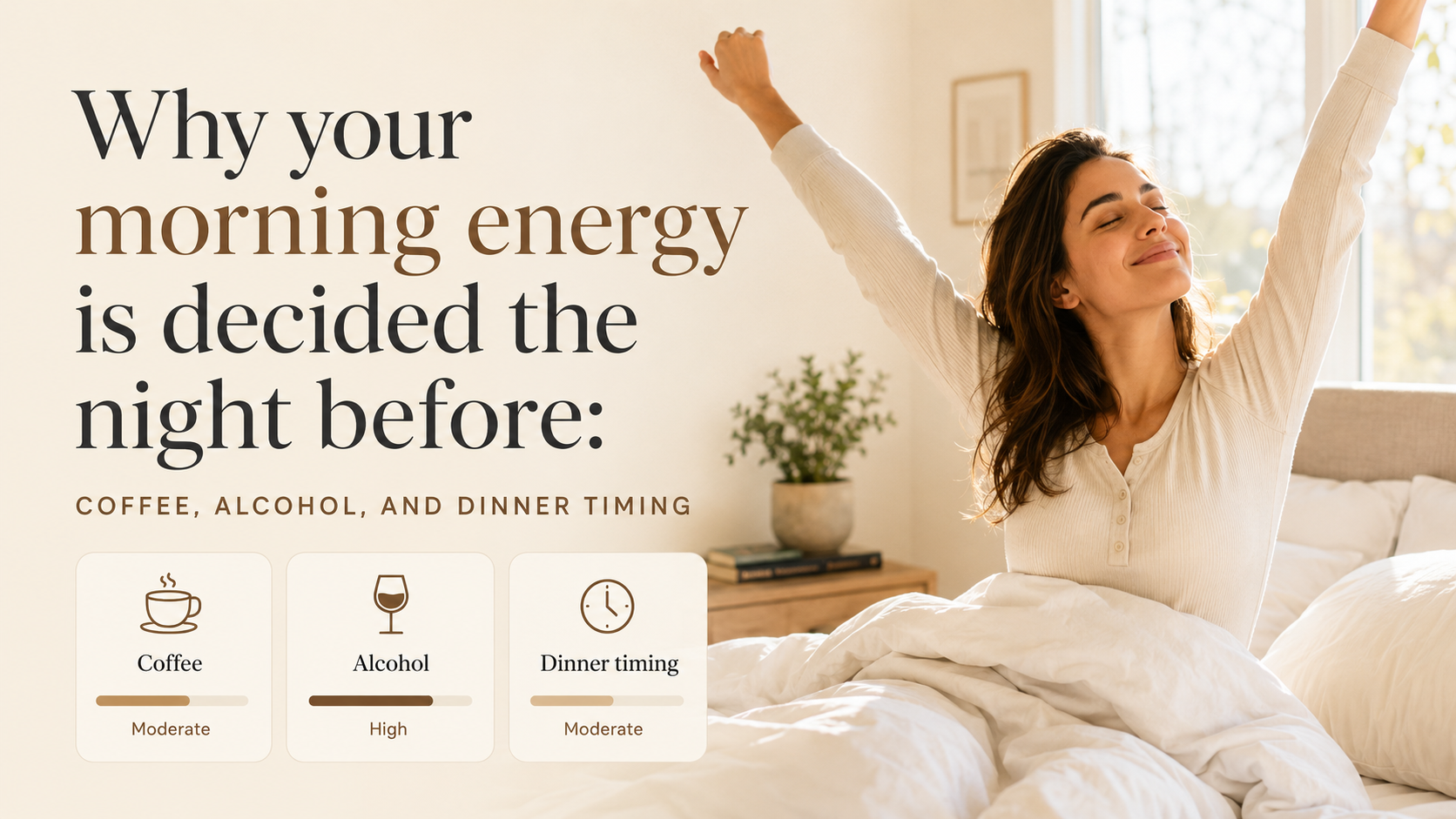
Why your morning energy is decided the night before: coffee, alcohol, and dinner timing
Most bad mornings are decided the night before. How late coffee, alcohol, and dinner timing quietly drain your next-day energy, and how to fix it.
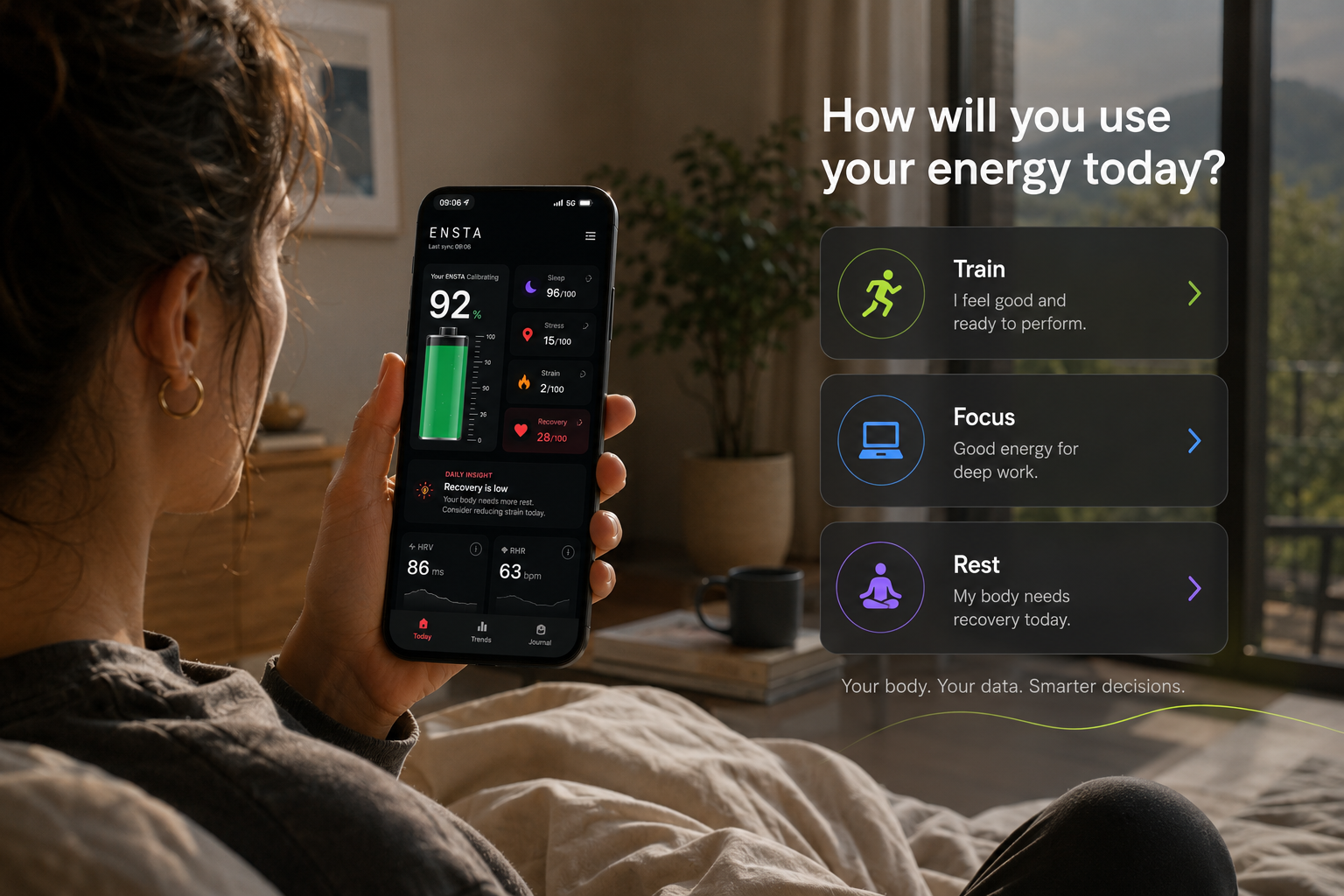
Best Free Energy Tracking Apps in 2026
The free apps are actually worth trying, what “free” really gets you, and whether you need a device at all.
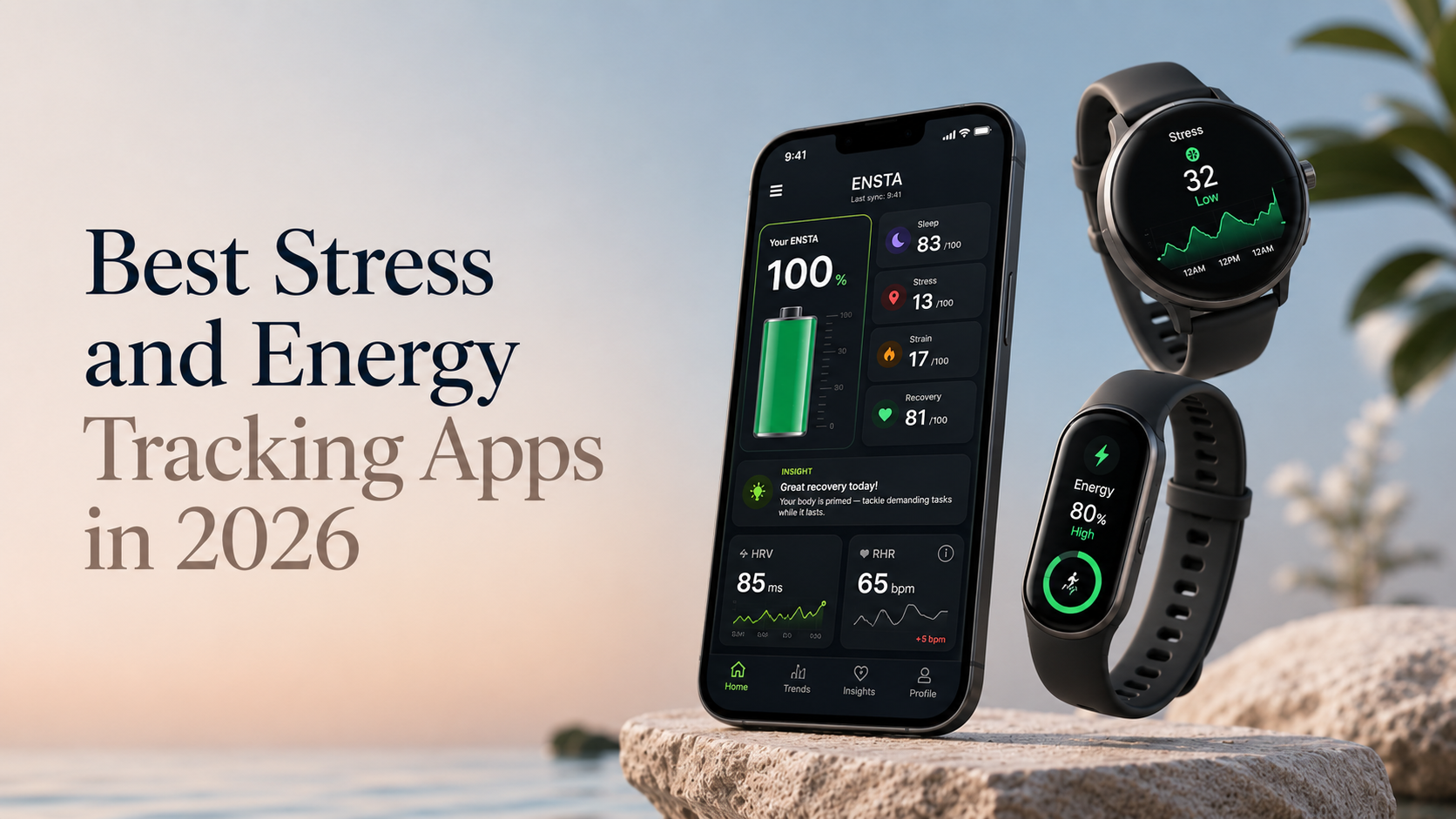
Best Stress and Energy Tracking Apps in 2026
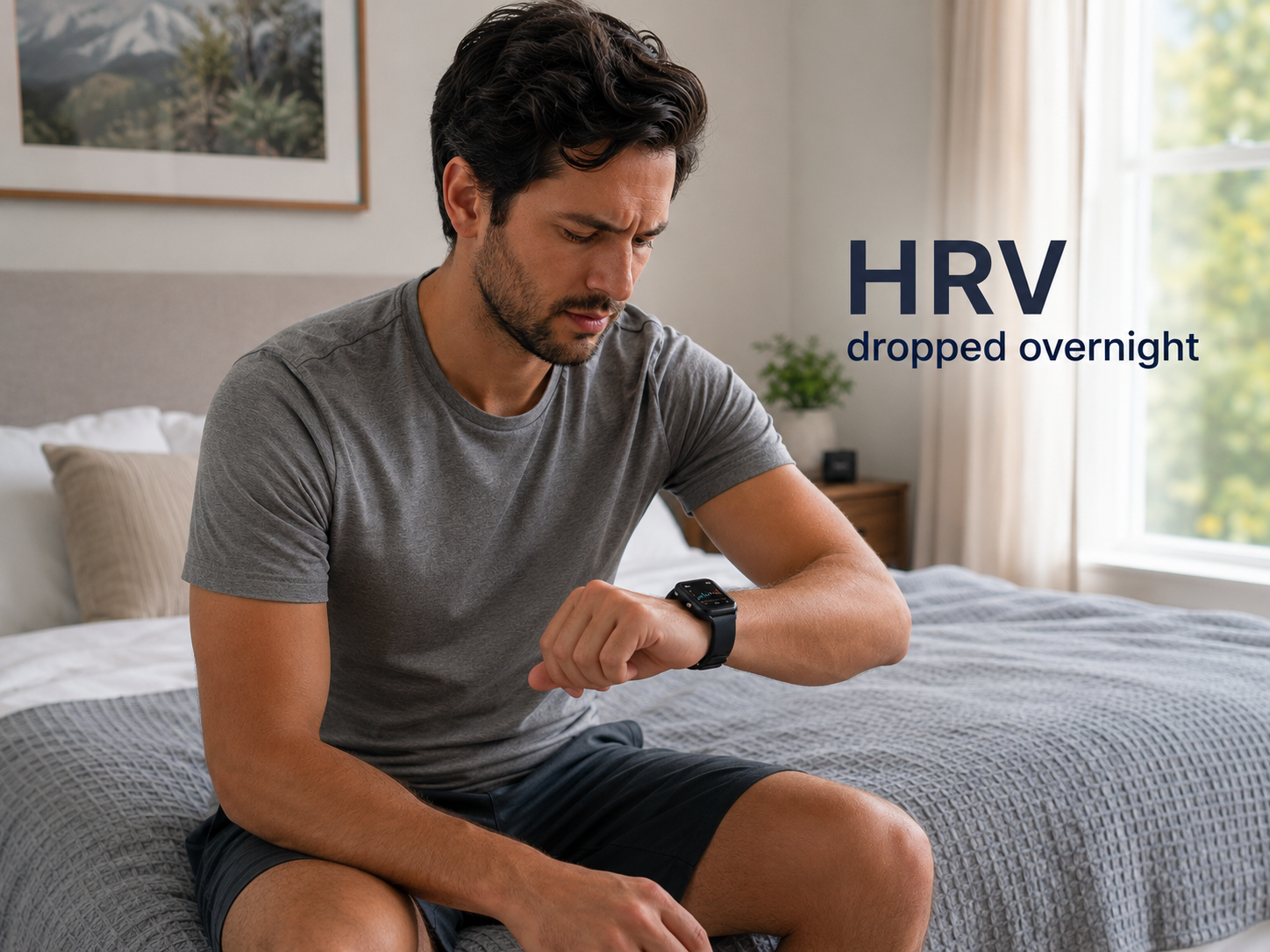
Best Apps That Explain Sudden HRV Changes in 2026
Why your HRV changed overnight, what it usually means, and the apps that actually help you figure out what to do next.