Blogs
Latest articles from ENSTA.
- Sleep

Why a Later Bedtime Can Lower a Sleep Score Even When HRV Is Stable
A later bedtime can affect a composite sleep score through timing, duration and regularity even when overnight HRV changes very little. Learn how to separate the stable signal from the schedule context.
Mr.Apps · Sep 22, 2026
- Sleep

Why Sleep Efficiency and Sleep Duration Can Disagree
Sleep efficiency and sleep duration describe different parts of the night. Understanding why they disagree can prevent a long low-efficiency night and a short efficient night from being treated as equivalent.
Mr.Apps · Sep 22, 2026
- Sleep

Why a High Sleep Score Can Hide Too Little Sleep Opportunity
A high sleep score can reflect efficient sleep inside a narrow window. Learn why duration, time in bed and schedule deserve attention even when the headline score looks favorable.
Mr.Apps · Sep 21, 2026
- Sleep

Why a Sleep Score Above 90 Is Not a Definition of Perfect Sleep
A sleep score above 90 can reflect a favorable model result without proving perfect sleep. Learn how to read the contributors, duration, timing and next-day function beside the headline.
Mr.Apps · Sep 21, 2026
- Sleep

Why Time in Bed and Time Asleep Need Separate Trends
Time in bed and time asleep describe different parts of a night. Keeping their trends separate can reveal a narrowing sleep opportunity, extended wakefulness or an efficiency change that a single total can hide.
Mr.Apps · Sep 21, 2026
- Recovery

Why a Ten-Point Readiness Score Should Not Be Converted to a Percentage
Multiplying a ten-point readiness score by ten may look simple, but it does not recreate another system's labels, weighting or uncertainty. Learn why the displayed endpoints do not make two scores equivalent.
Mr.Apps · Sep 21, 2026
- HRV

Why the Shape of Overnight HRV Matters More Than One Sample
A single overnight HRV value is only one point in a longer record. Learn how the direction, stability and coverage of an overnight pattern add context without turning a wearable graph into a diagnosis.
Mr.Apps · Sep 21, 2026
- Recovery

Why a Stable Readiness Score Can Hide Changing Inputs
A stable readiness score can conceal movement in the signals beneath it. Learn how to compare contributors, weighting and data quality before treating an unchanged headline as an unchanged night.
Mr.Apps · Sep 21, 2026
- Recovery

Why a Readiness Score Can Repeat for Several Days
A readiness score that repeats is not automatically broken or reassuring. Learn how to separate stable inputs from rounding, delayed calculation and incomplete syncing before deciding what the repeated value means.
Mr.Apps · Sep 21, 2026
- Recovery

How to Read a Readiness Score on a Ten-Point Scale
A ten-point readiness score is a summary, not a precise measurement of your whole condition. Learn how to read the broad range, inspect the contributors and keep the number in context before deciding what to do.
Mr.Apps · Sep 21, 2026
- Apps

What to Review Before Paying for Personalized Health Coaching
Paid health coaching is valuable only when it improves decisions rather than adding more notifications. Review the data used, constraints respected, explanations offered, record protections, and actions the service can support.
Mr.Apps · Sep 18, 2026
- Wearable

How to Read a Wearable Accuracy Claim Backed by a Company Study
A company-funded accuracy study can contain useful evidence without settling every question about a wearable. Use this checklist to inspect the reference standard, population, sample, endpoints, conflicts, and marketing claim.
Mr.Apps · Sep 18, 2026
- Recovery

Why a Readiness Score Needs a "Not Enough Data" State
A readiness score should not always appear just because an app can calculate a number. When inputs are missing, conflicting, or too noisy, a clear “not enough data” state is more useful than false confidence.
Mr.Apps · Sep 18, 2026
- Energy

Why a Health App Needs an "I Cannot Do That" Setting
Health advice becomes more useful when it respects the limits of the day. An explicit constraint setting can prevent technically reasonable recommendations from becoming impossible instructions.
Mr.Apps · Sep 18, 2026
- Apps

Why a Health App Should Separate Measurements From Estimates
Health apps often place direct observations, calculated metrics, and recommendations in the same visual hierarchy. Separating those layers helps readers understand uncertainty and use each output for the decision it can actually support.
Mr.Apps · Sep 18, 2026
- Wearable

What a Health App Should Explain Before It Gives You a Score
A health score is easier to interpret when the app explains its inputs, time window, baseline, missing data, and update time. This checklist shows what transparent scoring should disclose before a number becomes a decision.
Mr.Apps · Sep 18, 2026
- Recovery

Why Aggregate Wearable Data Cannot Predict Your Personal Response
Group-level wearable findings can reveal useful patterns without predicting what will happen to one person. Learn how selection, confounding, average effects, and personal baselines limit the leap from population data to individual advice.
Mr.Apps · Sep 18, 2026
- Wearable

Why Peer Review Does Not Make a Wearable a Diagnostic Device
Peer review improves how research is examined, but it does not by itself establish a wearable as a diagnostic device. Learn what peer review adds and which clinical, regulatory, and measurement questions remain.
Mr.Apps · Sep 18, 2026
- Wearable

Why More Decimal Places Do Not Make a Health Score More Accurate
A score displayed to two decimal places can still rest on noisy signals and uncertain assumptions. Learn how to separate display precision from measurement certainty before treating a finely graded health score as exact.
Mr.Apps · Sep 18, 2026
- Apps

Why More Health Data Can Still Produce Generic Advice
More measurements do not automatically create more personal guidance. Learn how missing constraints, weak causal evidence, and broad recommendation templates can make a data-rich health app sound generic.
Mr.Apps · Sep 18, 2026
- Stress

Why Recovery From Stress Needs More Than One Calm Hour
One calm hour can be useful without erasing a full day of physiological demand. This guide explains how to read short recovery windows beside sleep, repeated peaks, symptoms, and longer trends.
Mr.Apps · Sep 17, 2026
- Stress

What Resilience Means in a Health Tracker
A resilience score is usually an estimate of how stress exposure and recovery patterns change over time. This guide explains what the trend can show, what it cannot prove, and why resilience is not the same as mood or diagnosis.
Mr.Apps · Sep 17, 2026
- Energy

How to Use an Energy Score When You Cannot Change the Day's Demands
Some days contain essential demands that cannot be canceled because an energy score is low. This guide shows how to protect the most important tasks, reduce optional load, and use short recovery windows without pretending the score can solve the day.
Mr.Apps · Sep 17, 2026
- Energy

Why Resting Does Not Always Recharge an Energy Score
Quiet time and physiological recovery are related but not identical. This guide explains why an energy score can remain flat after resting and how to read sleep, stress, recent demand, and missing data together.
Mr.Apps · Sep 17, 2026
- Stress

How to Read a Stress Score Across Several Hours
A stress score is easier to understand as a time pattern than as one daily high point. This guide shows how to read duration, repeated peaks, movement, and recovery windows without treating a wearable estimate as a diagnosis.
Mr.Apps · Sep 17, 2026
- Stress

Can Paced Breathing Work Without Watching a Screen?
Paced breathing does not require constant visual attention. This guide compares audio and haptic pacing, explains what a wearable may observe, and sets realistic expectations for relaxation and HRV without promising a guaranteed result.
Mr.Apps · Sep 17, 2026
- HRV

Why a Positive Metric Change Can Still Trigger a Health Alert
A metric that usually looks favorable can still be unusual enough to trigger an alert. This guide explains why anomaly systems monitor changes in both directions and how to add baseline, timing, and symptom context.
Mr.Apps · Sep 17, 2026
- Wearable

What to Do When an Alert Conflicts With Otherwise Normal Metrics
A single health alert can look alarming when the rest of the dashboard appears normal. This guide explains how to review the trigger, baseline, data quality, symptoms, and persistence before deciding what the signal means.
Mr.Apps · Sep 17, 2026
- Wearable

How to Separate a Wellness Alert From a Medical Warning
Wellness guidance and medical warnings may appear in similar-looking interfaces, but they do not make the same claim. This guide shows how to identify intended use, evidence, instructions, and the point where an app should not be your decision-maker.
Mr.Apps · Sep 17, 2026
- Stress

Why a Health App May Tell You to Rest and Move at the Same Time
A health app can recommend rest and movement in the same day without either message being technically wrong. This guide shows how to check update time, purpose, symptoms, and the demands of the day before choosing a response.
Mr.Apps · Sep 17, 2026
- Recovery

How to Separate Local Muscle Fatigue From Whole-Body Recovery
Whole-body recovery metrics and local muscle fatigue can point in different directions because they describe different systems. Learn how to keep both layers in the record and choose a training decision that matches the limiting factor.
Mr.Apps · Sep 16, 2026
- Recovery

What a Wearable Can and Cannot Tell You About Delayed Muscle Soreness
Delayed muscle soreness often appears after the workout that caused it, while wearable metrics may change on another schedule. Learn what a device can add, what it cannot measure directly, and how to record the local response.
Mr.Apps · Sep 16, 2026
- Wearable

Why Power and Heart Rate Tell Different Stories in Cycling
Power and heart rate measure different parts of a cycling session, so they can rise, fall, or stay stable in different ways. Learn how to read both signals with cadence, terrain, fatigue, and time in mind.
Mr.Apps · Sep 16, 2026
- Wearable

How to Track Isometric Holds When Movement Is Minimal
Isometric holds create force without obvious movement, so a wearable may record less than the muscles are doing. Learn how to combine duration, position, perceived effort, and symptoms when tracking static work.
Mr.Apps · Sep 16, 2026
- Wearable

Why Workout Frequency and Workout Intensity Need Separate Charts
Workout frequency and workout intensity describe different parts of a training pattern, so combining them in one chart can hide important changes. Learn how to track both without confusing more sessions with harder sessions.
Mr.Apps · Sep 16, 2026
- Recovery

What Overnight Recovery Data Can Show After Intervals
Overnight recovery data can show how the body responded after interval work, but it cannot grade the workout or predict the next session by itself. Learn how to read overnight timing, heart-rate variability, sleep, and daytime function together.
Mr.Apps · Sep 16, 2026
- Wearable

How to Read Peak Heart Rate Without Treating It as the Whole Workout
Peak heart rate can show the highest recorded response in a workout, but it cannot describe the whole session by itself. This guide explains how to check the peak, interpret the surrounding trace, and pair it with effort and symptoms.
Mr.Apps · Sep 16, 2026
- Wearable

How to Log a Workout When No Activity Category Fits
A wrong activity label can distort calories, zones, and training summaries, while an overly broad label can hide what you actually did. Learn how to use a neutral record and preserve enough context for later review.
Mr.Apps · Sep 16, 2026
- Recovery

Why Arm-Dominant Cardio Can Look Easier Than It Feels
Arm-dominant cardio can produce substantial local effort without looking like a conventional lower-body workout on a wearable. Learn how to pair heart rate with perceived exertion, local fatigue, duration, and the movement performed.
Mr.Apps · Sep 16, 2026
- Wearable

Why Average Heart Rate Can Undersell Stop-and-Start Exercise
Average heart rate can hide the repeated peaks and pauses that define stop-and-start exercise. Learn how to read the full trace, pair it with effort and movement, and avoid treating one summary number as the whole session.
Mr.Apps · Sep 16, 2026
- Wearable

Why Manual Corrections Need an Audit Trail in Health Data
Manual corrections can improve a health record while weakening it if the original value and reason disappear. This guide explains the minimum history to preserve when editing sleep, workouts, or wearable metrics.
Mr.Apps · Sep 15, 2026
- Wearable

How to Choose a Primary Data Source When Apps Record the Same Metric
Duplicate health metrics become difficult to interpret when several apps record the same field. This guide compares sensor ownership, timestamps, sampling, completeness, and safe source testing.
Mr.Apps · Sep 15, 2026
- Wearable

Why Step Counts Can Distort a Long-Term Health Metric
Steps can be useful activity context while still being an unstable input to a long-term health metric. This guide explains false counts, unrepresentative days, source duplication, and safer trend interpretation.
Mr.Apps · Sep 15, 2026
- Recovery

How Low Power Mode Can Break Overnight Recovery Data
Low power mode can preserve a sleep interval while reducing the overnight signals a recovery score needs. This guide explains the tradeoff, how to test it safely, and how to label an incomplete night.
Mr.Apps · Sep 15, 2026
- Wearable

What to Check When Workout Heart Rate Will Not Sync
A workout can save correctly while its heart-rate stream fails to arrive in the summary app. This guide checks permissions, connections, source priority, workout mode, and timestamps without damaging the original session.
Mr.Apps · Sep 15, 2026
- Wearable

Why Treadmill Distance and Wearable Distance Often Disagree
Treadmill and wearable distance estimates come from different measurement paths. This guide explains calibration, stride assumptions, arm movement, speed changes, and how to compare indoor sessions fairly.
Mr.Apps · Sep 15, 2026
- Wearable

How to Correct a Workout When the Activity Type Is Wrong
A wrong activity label can distort distance, calories, zones, and comparisons without making the whole workout unusable. This guide shows what to correct, what to preserve, and how to keep the original record traceable.
Mr.Apps · Sep 15, 2026
- Recovery

Why a Recovery Score Can Go Missing Even When Sleep Is Recorded
A recorded sleep session does not guarantee that a recovery score has every input it needs. This guide explains how overnight signals, baselines, timing, and data quality can separate the two results.
Mr.Apps · Sep 15, 2026
- Wearable

What to Do When Yesterday's Wearable Data Disappears
Missing wearable data is often a sync or source problem rather than proof that the day never happened. This guide gives a non-destructive sequence for finding the original record and protecting the rest of your history.
Mr.Apps · Sep 15, 2026
- Sleep

Why a Sleep Tracker May Record Sleep When You Are Not Wearing It
A sleep chart can appear even when the device was not on the body. This guide explains the data paths that can create a false-looking sleep record and the safest way to investigate it.
Mr.Apps · Sep 15, 2026
- Wearable

How to Spot a Stale Readiness Score Before You Act on It
A readiness percentage can summarize selected wellness signals, but it cannot examine tissue, diagnose injury, or guarantee that a workout is safe. Use symptoms and movement quality before the score.
Mr.Apps · Sep 14, 2026
- Recovery

What a Readiness Percentage Cannot Tell You About Injury Risk
Many readiness systems depend on overnight measurements that daytime spot checks cannot replace. Before interpreting the score, confirm that the night was recorded well enough to support it.
Mr.Apps · Sep 14, 2026
- Sleep

Why a Readiness Score Needs Overnight Wear to Be Useful
Many readiness systems depend on overnight measurements that daytime spot checks cannot replace. Before interpreting the score, confirm that the night was recorded well enough to support it.
Mr.Apps · Sep 14, 2026
- Recovery

Why Cardio and Strength Need Different Readiness Decisions
Readiness scores often summarize cardiovascular, autonomic, sleep, and movement signals, while local muscle soreness can remain outside the calculation. Use both kinds of information when choosing a session.
Mr.Apps · Sep 14, 2026
- Recovery

What a Readiness Score Leaves Out About Muscle Soreness
Readiness scores often summarize cardiovascular, autonomic, sleep, and movement signals, while local muscle soreness can remain outside the calculation. Use both kinds of information when choosing a session.
Mr.Apps · Sep 14, 2026
- Sleep

Why a Short Night Can Still Produce a High Recovery Score
A rest day removes one source of training load, but it does not instantly reverse poor sleep, accumulated strain, illness, or a delayed response. Here is how to interpret a low score calmly.
Mr.Apps · Sep 14, 2026
- Recovery

Why a Readiness Score Can Stay Low After a Rest Day
An intraday readiness score is a moving estimate, not a permanent morning label. Learn which new inputs can change it, when the update is informative, and when it should not alter your plan.
Mr.Apps · Sep 14, 2026
- Recovery

How to Read a Readiness Score That Changes During the Day
A new health feature is useful only when the hardware, software, data history, and daily routine support it. Use this checklist before paying for an upgrade that may not improve a real decision.
Mr.Apps · Sep 14, 2026
- Wearable

What to Check Before You Upgrade for a New Health Feature
A new health feature is useful only when the hardware, software, data history, and daily routine support it. Use this checklist before paying for an upgrade that may not improve a real decision.
Mr.Apps · Sep 14, 2026
- Recovery

Does a Better Sensor Make a Better Readiness Score?
A better sensor can improve the inputs to a readiness score, but it cannot guarantee a better decision. This guide separates sensing quality, sampling, algorithms, baselines, and personal context.
Mr.Apps · Sep 14, 2026
- Sleep

Why You Should Review Your Wearable Data Before Changing Your Bedtime
A poor sleep score does not always show that bedtime is the problem. This guide explains how to review timing, wakefulness, routine, and measurement quality before moving your schedule.
Mr.Apps · Sep 11, 2026
- Recovery

How to Use a Wearable to Pace a Return From a Busy Week
A busy week can leave recovery signals less clear even when training volume was not high. This guide explains how to use wearable trends, sleep, symptoms, and simple effort checks to return gradually without treating a score as medical clearance.
Mr.Apps · Sep 11, 2026
- Recovery

Why Your Workout Heart Rate Might Rise at the Same Effort
A higher workout heart rate at the same perceived effort can reflect heat, hydration, sleep, stress, illness, pacing, or sensor conditions. This guide explains how to compare sessions fairly and when a persistent change should prompt a conversation with a healthcare professional.
Mr.Apps · Sep 10, 2026
- Recovery

How to Track a New Supplement Without Overreading the Results
A wearable can help you record context after starting a supplement, but it cannot establish safety or efficacy from a changing score. This guide explains how to observe one change carefully, keep the trial limited, and involve a healthcare professional when risk or uncertainty is meaningful.
Mr.Apps · Sep 10, 2026
- Wearable

The First Sign Your Health Tracker Needs a Data Cleanup
A health tracker can produce a confident-looking trend from incomplete, duplicated, or mismatched records. This guide explains the early signs of a data-quality problem and gives a short cleanup routine before you change a training or recovery decision.
Mr.Apps · Sep 10, 2026
- Energy

How to Read Your Wearable After a Long Day of Sitting
A long sitting day can look quiet in a wearable dashboard while still leaving you stiff, flat, or less ready to move. This guide focuses on reading the data in context and using small movement breaks without turning a low-activity day into a health judgment.
Mr.Apps · Sep 10, 2026
- Wearable

Why Sensor Fit Can Change Your Overnight Data
Overnight wearable data depends on more than the sensor itself. Contact, comfort, placement, swelling, movement, and missing segments can change what the device records, so a sudden shift may be a fit issue rather than a body change.
Mr.Apps · Sep 10, 2026
- Energy

When a Wearable's Calories Burned Number Is Useful and When It Is Not
A wearable's calories burned number is an estimate, not a direct measurement of everything your body used. This guide explains when the number can support broad activity comparisons and when it is too uncertain for exact food or health decisions.
Mr.Apps · Sep 10, 2026
- Wearable

The Best Way to Add Context to a Sudden Change in Wearable Data
A sudden change in wearable data can come from the body, the environment, the device, or the way the app processed the signal. This guide gives you a calm checklist for checking data quality, recording recent changes, and deciding whether to observe, adjust, or seek care.
Mr.Apps · Sep 10, 2026
- Wearable

How to Compare Your Heart Rate at the Same Easy Pace
Mr.Apps · Sep 10, 2026
- Recovery

The Difference Between Training Load and Life Load
Training load describes planned physical work, but recovery also responds to sleep, stress, illness, travel, and other demands. This guide shows how to combine wearable data with a small amount of life context without turning recovery tracking into a full-time task.
Mr.Apps · Sep 10, 2026
- Sleep

Is Your Wearable's Sleep Window Too Narrow?
A wearable can record a sleep window that is shorter or less complete than the night you experienced. This guide explains why quiet wakefulness, device settings, and missing data can change the result, and how to add context without treating an estimate as a diagnosis.
Mr.Apps · Sep 9, 2026
- Wearable

How to Build a Simple Personal Dashboard From Wearable Data
A useful personal dashboard does not need every metric your wearable can collect. Choose a small set of signals, show their context, and review them on a schedule so the dashboard supports decisions instead of becoming another source of noise.
Mr.Apps · Sep 8, 2026
- Sleep

What a Sleep Tracker Can and Cannot Tell You About a Short Nap
Short naps are difficult for many sleep trackers to classify because the quiet period is brief and the signals can look like still wakefulness. Learn how to log a nap, check the surrounding context, and avoid drawing a health conclusion from a missed or misclassified episode.
Mr.Apps · Sep 8, 2026
- Recovery

How to Use a Wearable When You Are Returning to Exercise
A wearable can help you observe tolerance as you rebuild activity, but it cannot provide medical clearance. Use a gradual plan, compare effort with symptoms, and treat multi-day recovery data as context rather than a command.
Mr.Apps · Sep 8, 2026
- Wearable

Can You Trust a Wearable During an Indoor Cycling Workout?
Indoor cycling can produce a useful heart-rate signal, but wrist-based readings still depend on fit, motion, sweat, intensity, and the selected workout mode. Learn how to check the recording and combine it with effort instead of treating every number as exact.
Mr.Apps · Sep 8, 2026
- Recovery

What a Consistent Morning Heart Rate Can Tell You That a Daily Score Cannot
A consistent morning heart-rate record can show how your own baseline changes over time, while a daily readiness score compresses several inputs into one estimate. Learn how to measure consistently, read the trend, and avoid treating a personal number as a universal target.
Mr.Apps · Sep 8, 2026
- Wearable

When Your Wearable Wants More Data Than You Want to Share
More connected data can make a wearable feature feel smarter, but it also expands what an app can read, store, and share. This guide explains how to review permissions, choose the minimum useful access, and keep health tracking practical without surrendering unnecessary information.
Mr.Apps · Sep 8, 2026
- Recovery

Do You Need to Log Food for Better Recovery Insights?
Food notes can add useful context to wearable recovery data, but detailed calorie logging is not required for everyone. Learn when a simple meal and timing note helps, when tracking becomes noise, and how to keep the process flexible and safe.
Mr.Apps · Sep 8, 2026
- Recovery

What to Track Before You Change Your Training Plan
A training plan should change because several signals point in the same direction, not because one readiness score moved overnight. This guide shows how to combine sleep, resting heart rate, HRV, soreness, and performance context before changing volume or intensity.
Mr.Apps · Sep 8, 2026
- Wearable

The Missing-Data Problem: When a Wearable Cannot See Your Steps
A missing step total does not always mean you were inactive. Fit, placement, arm movement, walking speed, and syncing can all change what a wearable records. Learn how to check the data and use a weekly trend without treating every gap as a personal failure.
Mr.Apps · Sep 8, 2026
- Sleep

Sleep Scores Match, Deep Sleep Does Not: How to Compare Two Wearables
Two wearables can agree on total sleep while giving different estimates for deep sleep and other stages. This guide explains how to compare devices fairly, read repeated patterns, and avoid turning one night of stage data into a health judgment.
Mr.Apps · Sep 8, 2026
- Recovery

Why Your Wearable's New AI Summary Can Miss the Point
AI summaries can make wearable data easier to read, but they can also turn incomplete context into a confident-sounding conclusion. Use this practical check to decide what an insight means before changing your routine.
Mr.Apps · Sep 8, 2026
- Recovery

How to Use a Wearable Journal Without Mistaking Correlation for Cause
A wearable journal can turn vague impressions into useful context, but it cannot prove that one habit caused a better or worse score. This guide shows how to log less, compare more carefully, and make sensible decisions from personal health data.
Mr.Apps · Sep 8, 2026
- Sleep

When Sleep Tracking Makes Sleep Worse: Orthosomnia and Score Anxiety
Sleep data can be useful until a nightly score begins shaping your mood, decisions, and ability to relax. I explain how orthosomnia develops and how to keep long-term trends while reducing score anxiety.
Mr.Apps · Sep 7, 2026
- Wearable

Turn Your Wearable Into a Personal Experiment: How to Test One Habit Properly
A personal health experiment works best when it answers one decision with one controlled change. I share a practical baseline, measurement, and review method that turns wearable data into evidence you can actually use.
Mr.Apps · Sep 7, 2026
- HRV

Vagus Nerve “Reset” Techniques: Can HRV Show Whether They Work?
HRV can show an immediate response to breathing, cold, or stimulation, but it cannot prove that the nervous system has been reset. I compare the main techniques and explain how to test a useful effect without overreading one impressive graph.
Mr.Apps · Sep 7, 2026
- HRV

Personalized Heart-Rate Zones: Why the “220 Minus Your Age” Formula Often Fails
Age-based heart-rate formulas are convenient, but they can place an individual’s training boundaries far from their real physiology. I explain how resting heart rate, thresholds, field cues, medications, and better testing can produce safer custom zones.
Mr.Apps · Sep 7, 2026
- Recovery

Zone 2 Training and Recovery: Can Easy Cardio Increase Your Daily Energy?
Easy aerobic work can build fitness and make daily tasks feel less costly, but Zone 2 is not automatically recovery-neutral. I show how to set the intensity, track the total dose, and judge energy, sleep, and HRV over several weeks.
Mr.Apps · Sep 7, 2026
- Wearable

How Much Data Does a Wearable Need to Learn Your Real Baseline?
A wearable can produce numbers on day one, but a useful personal baseline requires clean, representative data across real life. I explain what seven, thirty, and ninety days can reveal, how illness and missing nights distort calibration, and why changing devices means starting a new measurement chapter.
Mr.Apps · Sep 4, 2026
- HRV

Why Apple Watch, Oura, WHOOP, and Garmin Give You Different HRV Scores
Apple Watch, Oura, WHOOP, and Garmin can report different HRV values without any one device necessarily being broken. I explain how calculation method, sampling time, sensor location, artifact filtering, and baseline logic change the result, and why trends within one device are the safer comparison.
Mr.Apps · Sep 4, 2026
- Wearable

Can Your Doctor Use Your Wearable Data? How to Prepare a Useful Health Summary
Wearable data becomes more useful in a medical appointment when it is edited into a clear clinical story rather than delivered as an archive. I show how to prepare a one-page summary with a baseline, dated changes, symptoms, relevant context, and only the charts that serve the question.
Mr.Apps · Sep 2, 2026
- Recovery

Why Your Readiness Score Has Been Low for Weeks
A readiness score that stays low for weeks calls for a timeline, not a search for one bad night. I explain how to check data quality, investigate accumulated changes in sleep and training, run a controlled reset, and recognize when symptoms deserve professional attention.
Mr.Apps · Sep 2, 2026
- Recovery

Low Recovery Score but Feel Great: Should You Trust Your Body or Your Wearable?
A low recovery score can conflict with how energetic and capable you feel, but neither signal tells the whole story by itself. I use a practical framework that combines symptoms, data quality, multi-day trends, and workout risk to decide whether to continue, modify, or rest.
Mr.Apps · Sep 1, 2026
- HRV

POTS and Wearables: What Standing Heart-Rate Patterns Can—and Can’t—Tell You
A watch can document how heart rate changes after standing, but a POTS evaluation also needs symptoms, blood pressure, timing, and alternative causes. I explain how to build a concise record for a clinician without turning a smartwatch into a diagnostic device.
Mr.Apps · Aug 28, 2026
- HRV

Your Menstrual Cycle Changes Recovery Scores—Here’s How to Read the Pattern
Recovery, temperature, resting heart rate, HRV, and sleep can follow repeatable patterns across the menstrual cycle. I explain how to compare several cycles so a familiar monthly shift is not mistaken for a new health crisis.
Mr.Apps · Aug 27, 2026
- Stress

Can a Wearable Measure Cortisol? What Your Stress Score Is Actually Estimating
Most consumer wearables estimate physiological stress from signals such as heart rate, HRV, temperature, and movement rather than measuring cortisol itself. I explain how to read those scores without mistaking an algorithmic clue for a hormone test.
Mr.Apps · Aug 26, 2026
- Energy

Perimenopause, HRV, and the Energy Roller Coaster: What Wearables Can Reveal
Perimenopause can shift sleep, temperature, resting heart rate, HRV, and daily energy in ways that do not fit one neat score. I show how to compare personal trends with symptom notes and when the pattern belongs in a clinical conversation.
Mr.Apps · Aug 25, 2026
- Wearable

Best no-subscription wearables for sleep and recovery in 2026
The price on the box is not the price. Here's how subscription-free rings, bands, and watches actually compare on sleep, recovery, and what they cost you over three years.
Mr. Apps · Aug 20, 2026
- Sleep · Wearable

Best Smart Rings for Sleep Tracking in 2026
After weeks of switching between several sleep-tracking rings, I found no single model that wins on every metric that matters. This breaks down what actually affects accuracy, battery life, and subscription cost, along with which ring makes sense depending on whether you care most about precision, price, or your phone's operating system.
Mr. Apps · Aug 18, 2026
- Sleep · Wearable · Energy

GLP-1, Sleep, and Energy: What Wearables Can Help You Notice
By the second week of a multi-city speaking tour, my wearable's morning summary had become something I read more carefully than my calendar. Resting heart rate crept up, deep sleep dropped by nearly half, and my energy check-in sat at a two for four mornings straight — even though nothing about my routine had dramatically changed.
Mr. Apps · Aug 17, 2026
- Sleep · Energy

Blood Sugar Swings, Sleep, and Next-Day Energy: The Overlooked Loop
I spent three years blaming the room temperature for the way I lost my train of thought halfway through every morning workshop. It wasn't the room. Poor sleep changes how your body handles food the next day, and late meals change the night that follows. Here's how the loop works, what your wearable can actually tell you, and a two-week test that costs nothing.
Mr.Apps · Aug 13, 2026
- Wearable · Energy
Apple Watch Body Battery: How Ensta Brings Garmin's Best Feature to Your Wrist
Looking for an Apple Watch body battery feature? Ensta's Energy Score gives Apple Watch users a simple 0-100 recovery and energy metric that works like Garmin's Body Battery.
Ensta Team · Aug 11, 2026
- HRV

Can dehydration raise your heart rate and ruin recovery?
For ten days last summer I was convinced I had overtrained. My resting heart rate was up, my easy runs felt hard, and cutting my training volume changed nothing. The problem was water. Here is how fluid loss raises your heart rate, why it drags out recovery, and how to tell it apart from everything else that does the same thing.
Mr. Apps · Aug 11, 2026
- Sleep

How much deep sleep do you really need?
Your watch says 42 minutes of deep sleep and you want to know if that is bad. The honest answer is that there is no single correct number, and the device producing that number is estimating rather than measuring. Here is what deep sleep actually does, how much of it is normal at your age, and what I watch instead of the stage breakdown.
Mr. Apps · Aug 10, 2026
- Sleep

Why You Wake Up at 3 A.M. and Can't Fall Back Asleep
For most of one winter I woke between 3:08 and 3:22 almost every night. The cause turned out not to be one thing, and it was not what I expected. Here is how I worked through the usual suspects, from stress and late meals to room temperature, breathing and body-clock timing, plus what a sleep tracker can and can't actually tell you.
Mr. Apps · Aug 7, 2026
- Wearable

Respiratory Rate on a Wearable: What a Change Overnight Can Mean
Most people can guess their resting heart rate but have no idea how many breaths they take while asleep. That makes overnight respiratory rate one of the least understood numbers on a wearable, and one of the most useful once you have a personal baseline to compare against. Here is what actually moves it, how to tell a real change from a bad reading, and when a rise is worth acting on.
Mr. Apps · Aug 6, 2026
- Sleep

Snoring, Sleep Apnea, and Smart Rings: What They Can Actually Detect in 2026
A smart ring cannot measure airflow. Everything it reports about your breathing is inferred from oxygen estimates, pulse signals, and movement, which is why a wearable can stay silent while a partner in the same bed hears you stop breathing. Here is what these devices can genuinely detect in 2026, where cleared screening features differ from wellness metrics, and why a quiet result is not a clean bill of health.
Mr. Apps · Aug 5, 2026
- Stress · Wearable
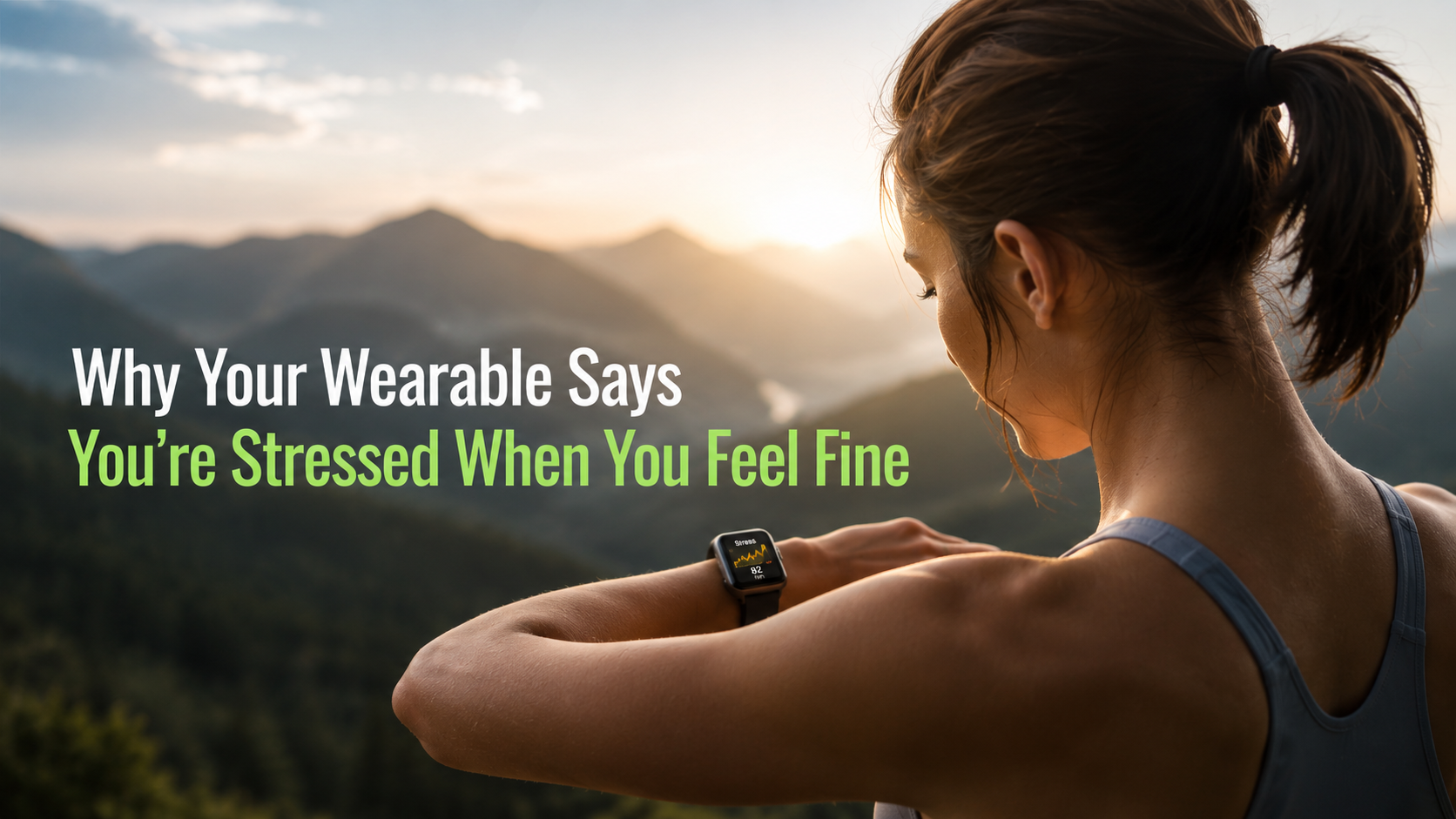
Why your wearable says you're stressed when you feel fine
Your watch measures physiological arousal, not worry. Caffeine, digestion, heat, short sleep, and a loose band can all push the score up while you feel fine.
Mr.Apps · Aug 4, 2026
- Sleep
Social jet lag: why sleeping in on weekends can wreck Monday energy
Sleeping in on weekends shifts your body clock and drains Monday energy. Learn how to calculate your social jet lag and four realistic ways to reduce it.
Mr. Apps · Aug 3, 2026
- Wearable
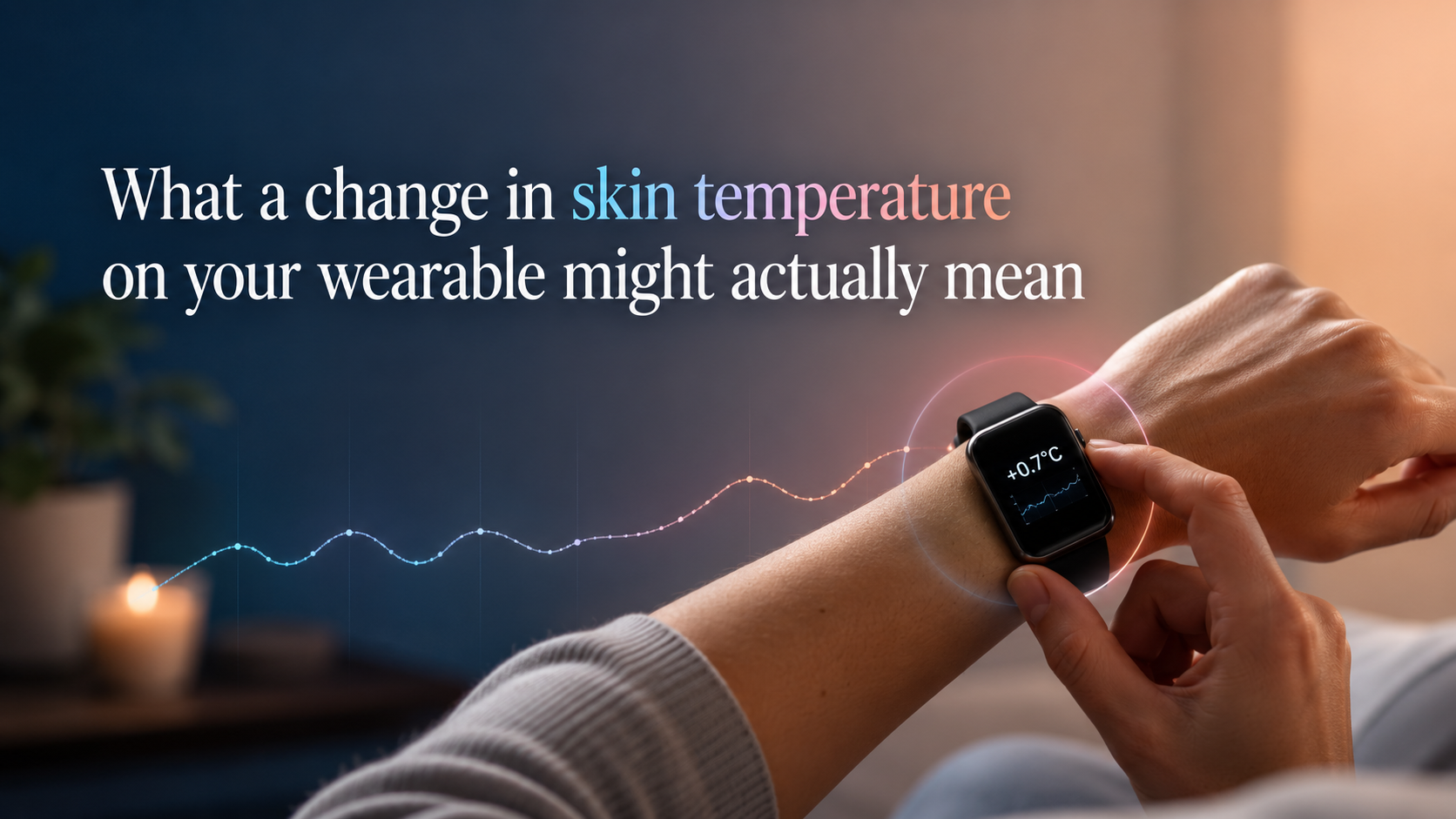
What a change in skin temperature on your wearable might actually mean
Your wearable's skin temperature isn't a fever reading. Learn what moves it at night, why deviation beats the number, and when to act.
Mr. Apps · Jul 31, 2026
- Recovery · Wearable
Can your wearable tell you're getting sick before you feel it?
Resting heart rate, HRV, and temperature can shift before you feel sick. What early illness signals from wearables really mean, and how to respond.
Mr. Apps · Jul 30, 2026
- HRV
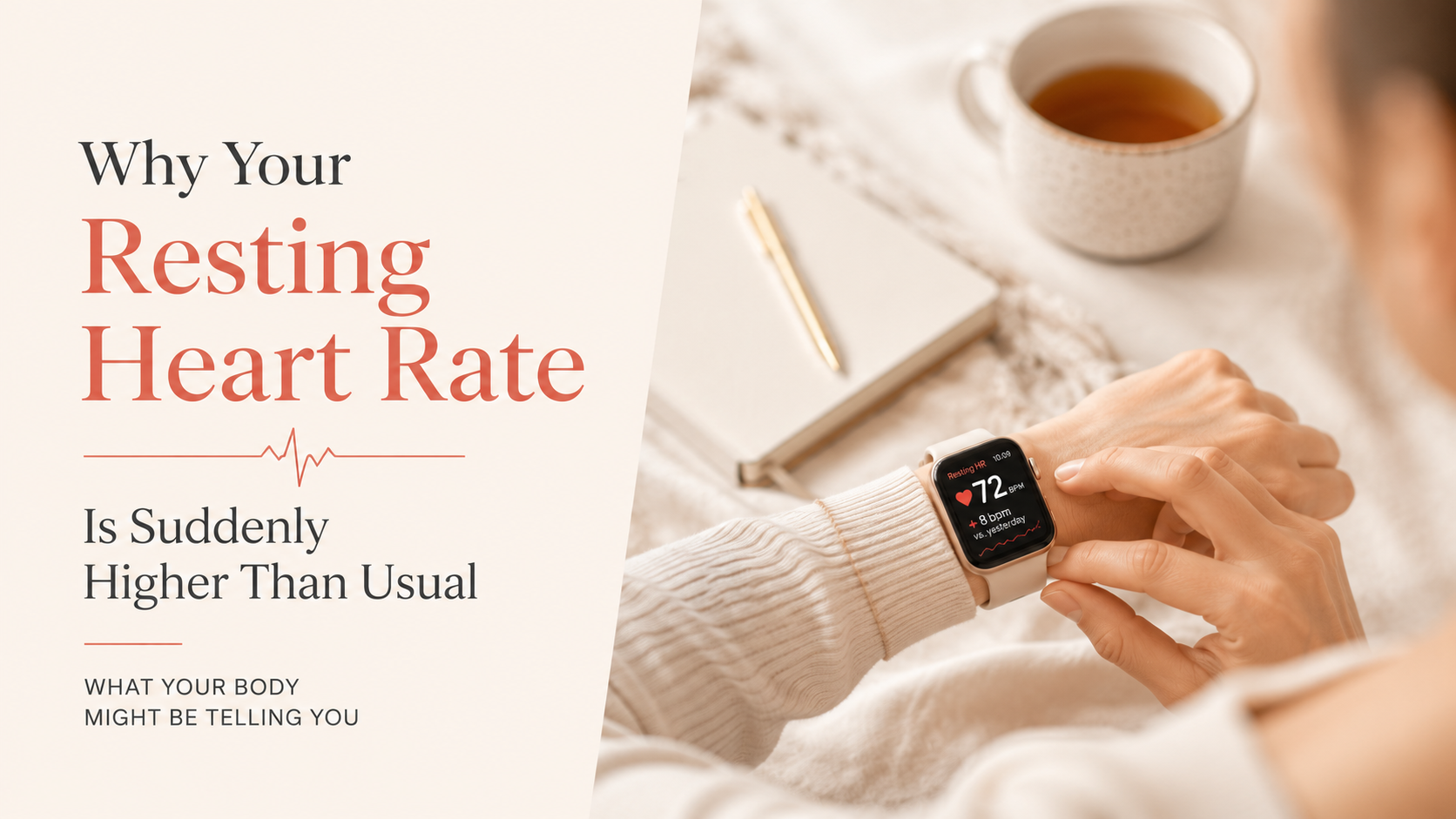
Why Your Resting Heart Rate Is Suddenly Higher Than Usual
A resting heart rate that jumps five or six beats and stays there is usually explained by the week, not the heart. Here's how I work through the usual causes, why one high night matters far less than three, and where the line sits between tracking it and calling someone.
Mr.Apps · Jul 29, 2026
- Sleep
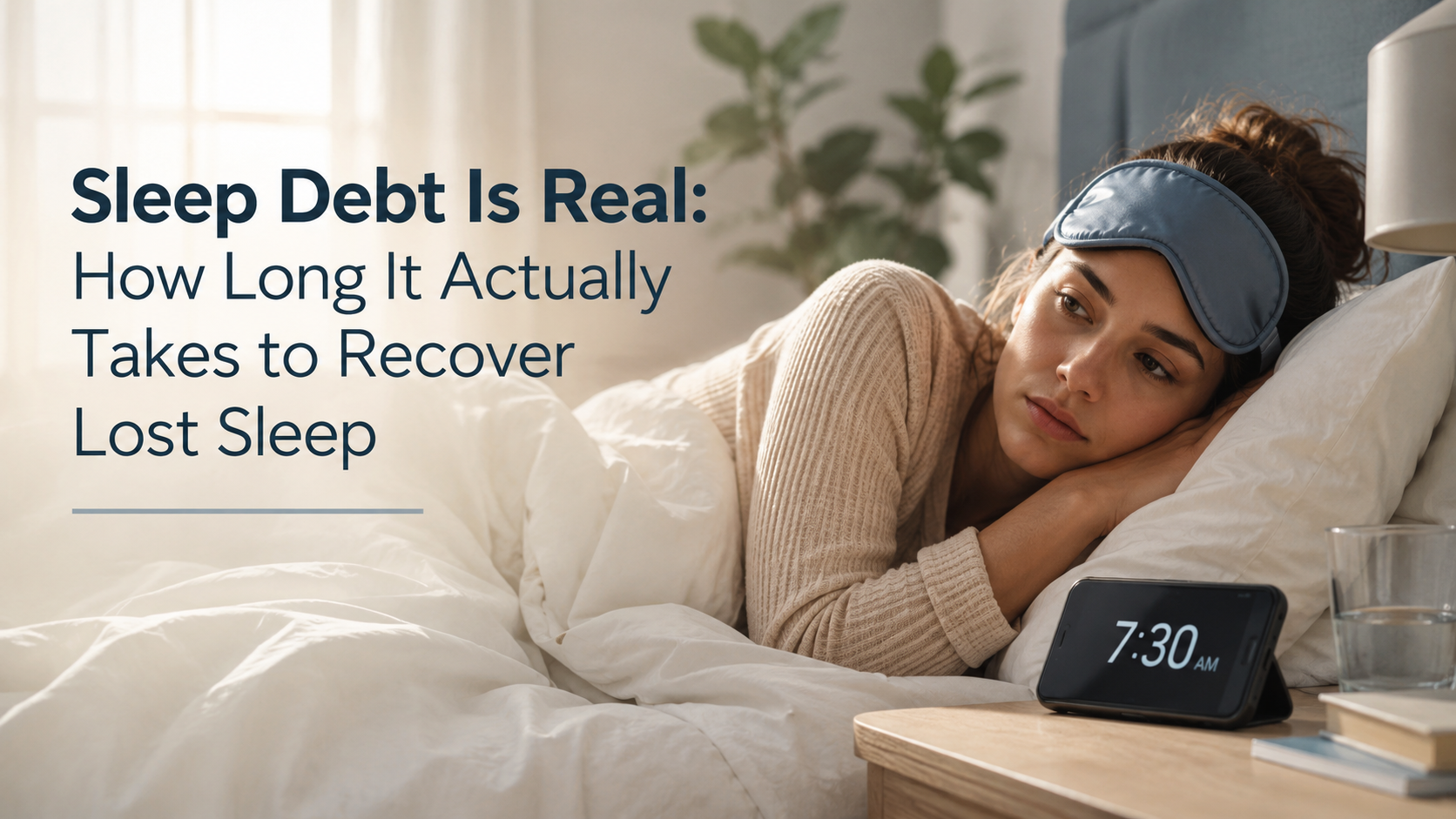
Sleep Debt Is Real: How Long It Actually Takes to Recover Lost Sleep
Sleep debt doesn't clear in one long weekend. Here's what the research says about realistic recovery timelines, plus a 3 to 7 day plan that works.
Mr. Apps · Jul 28, 2026
- Recovery
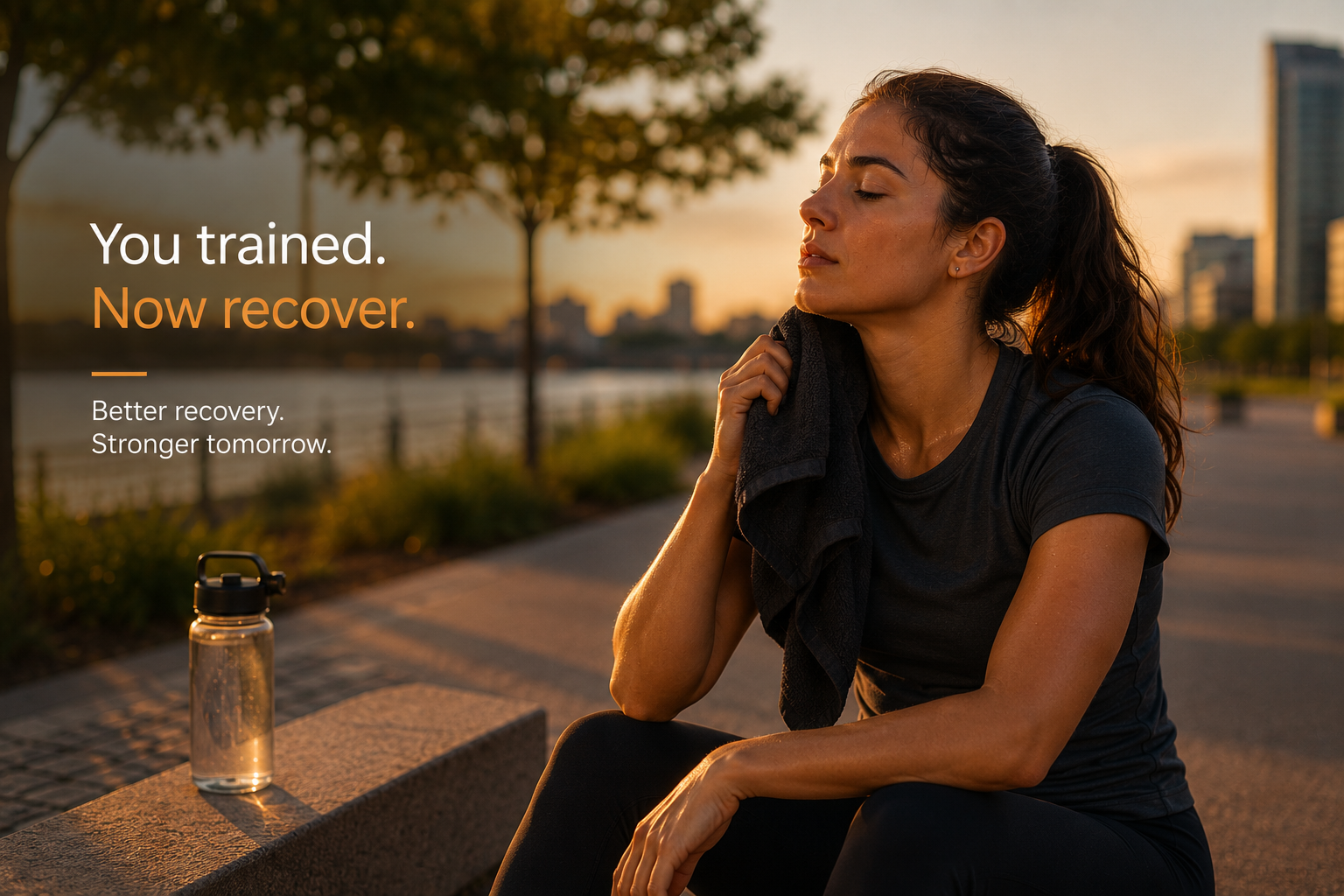
What Heart Rate Recovery After Exercise Can Tell You About Fitness
Mr.Apps · Jul 22, 2026
- Energy
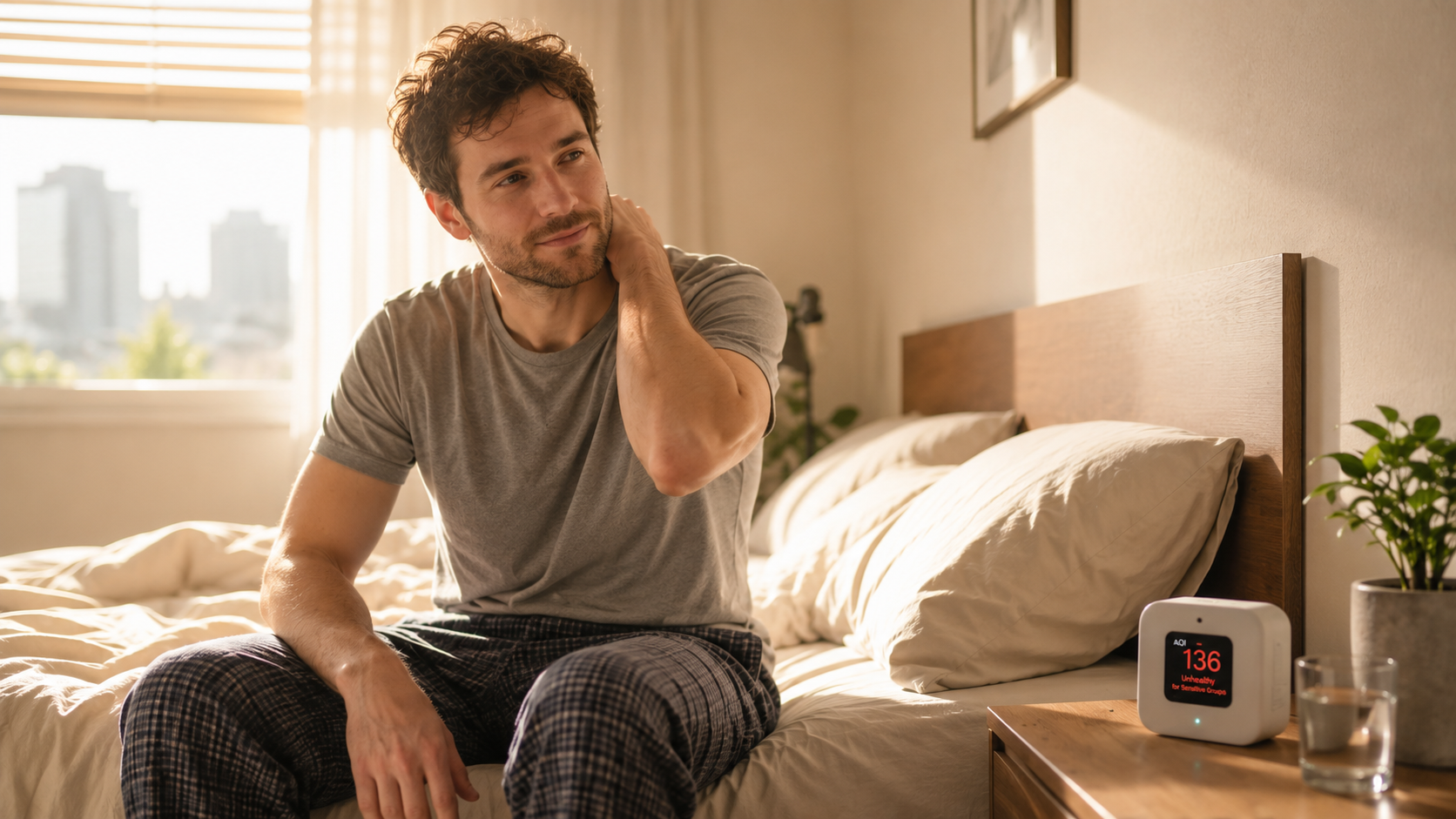
Can Air Quality Make Your Sleep and Energy Worse?
Mr.Apps · Jul 21, 2026
- Sleep
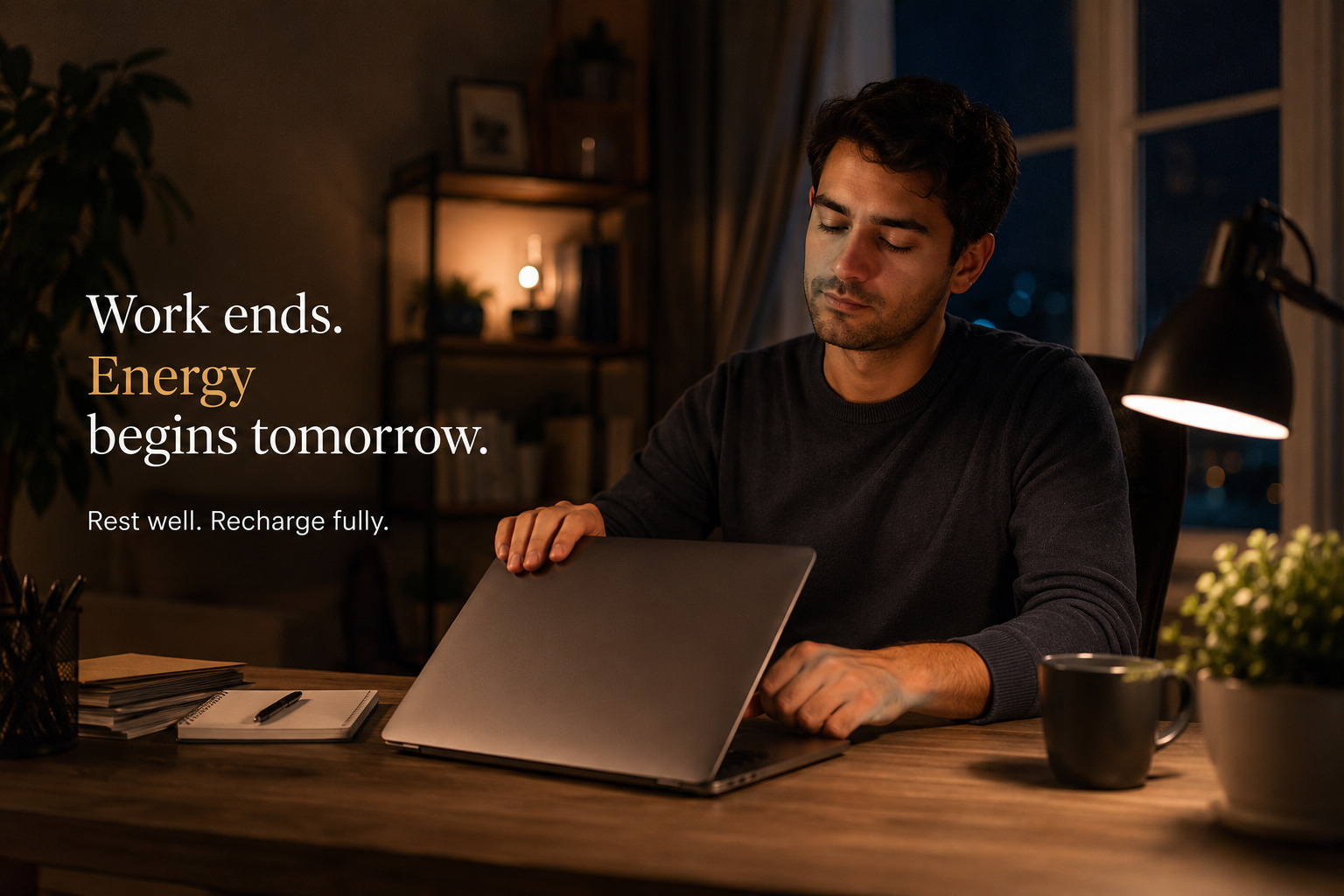
Does Working From Home Improve or Hurt Your Sleep?
Mr.Apps · Jul 20, 2026
- Energy
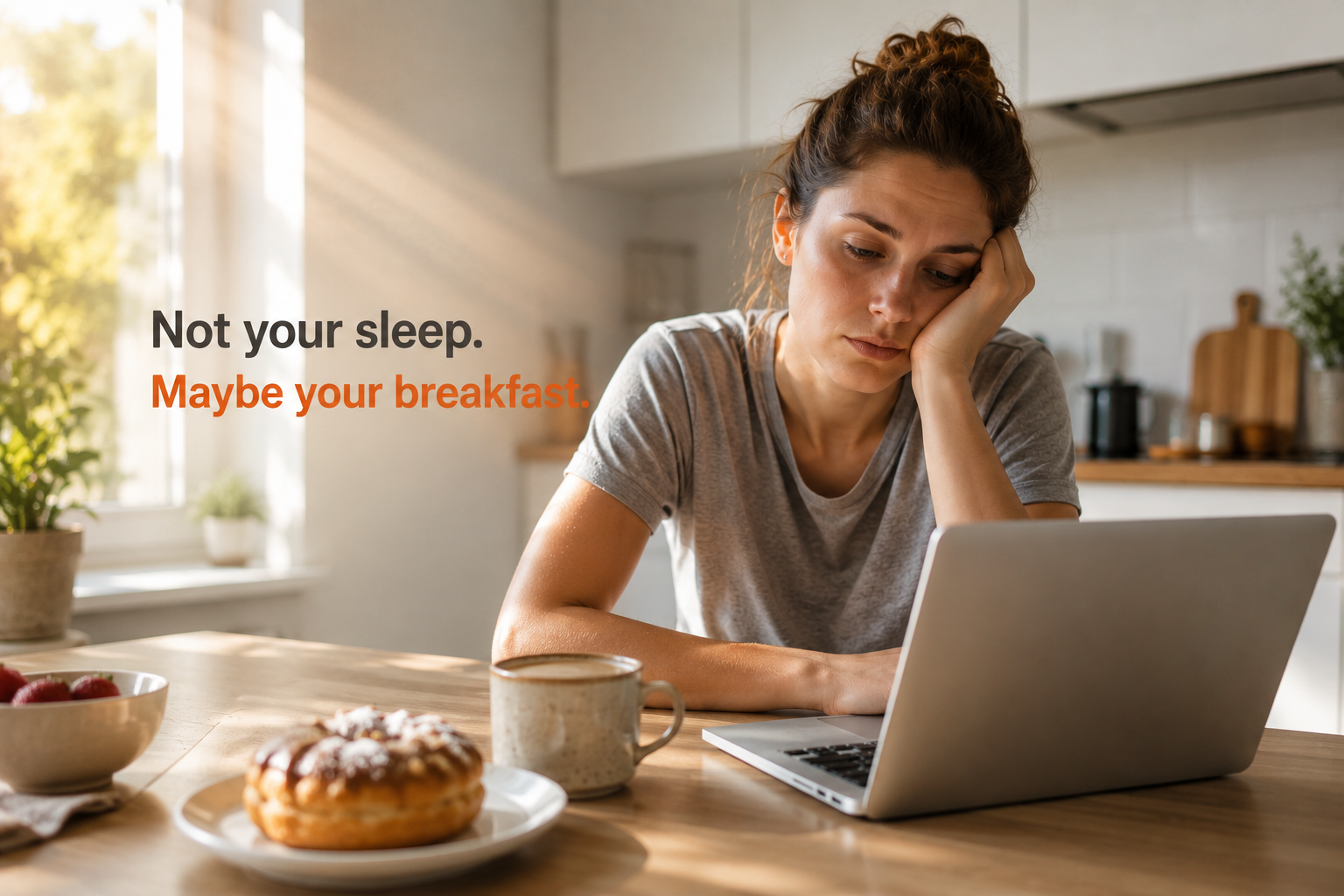
Why a High-Sugar Breakfast Can Leave You Tired Before Lunch
A sweet breakfast can feel like quick energy, then turn into a mid-morning crash. Here’s why breakfast composition matters, what steadier meals usually include, and how to test your own energy pattern without a complicated diet plan.
Mr.Apps · Jul 17, 2026
- Recovery
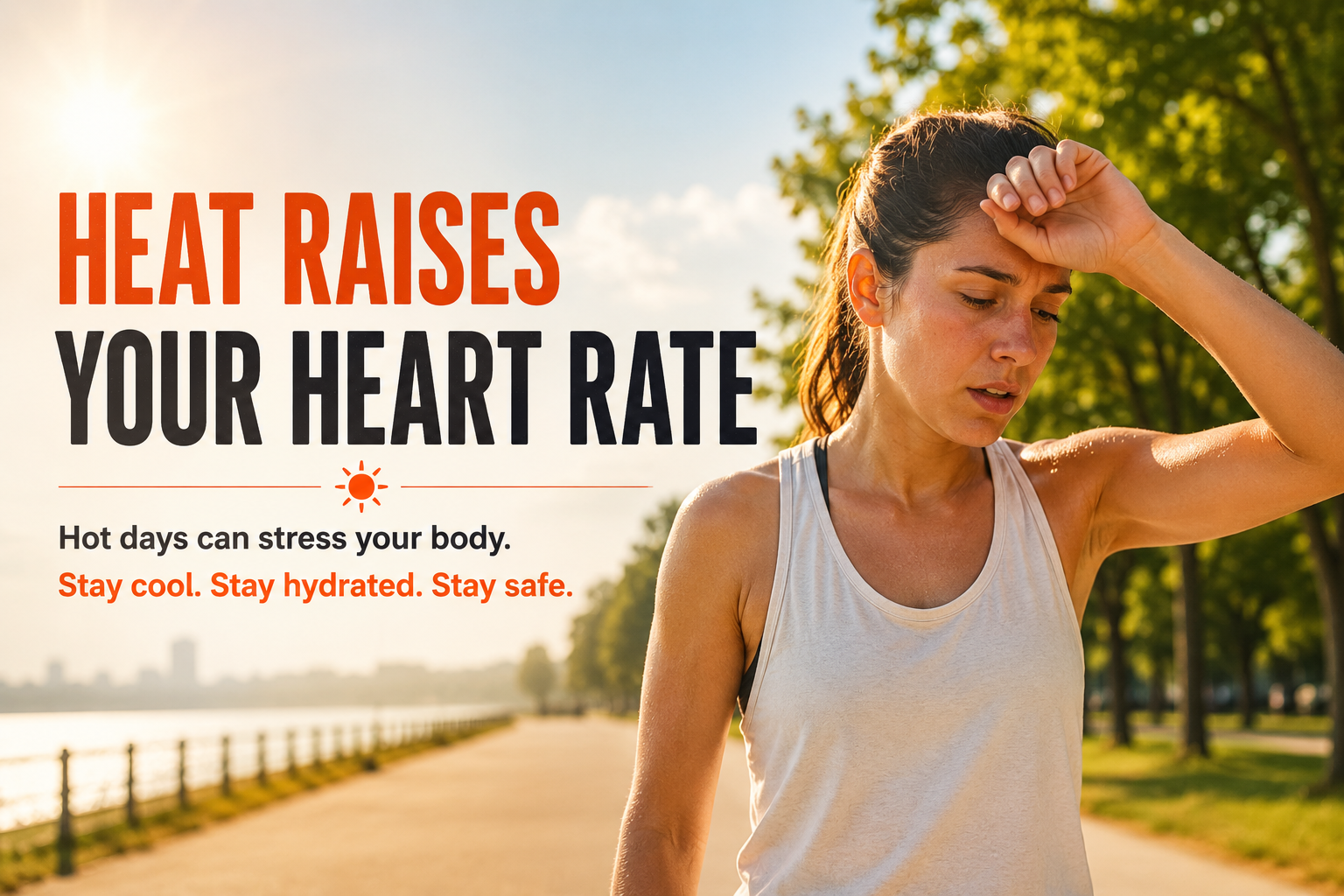
Why Hot Weather Can Raise Heart Rate and Lower Recovery
Hot weather can make your heart rate run higher, your HRV look worse, and your recovery score drop even when you did not train harder. Here’s why heat changes the body’s workload and how to protect your energy.
Mr.Apps · Jul 16, 2026
- Recovery
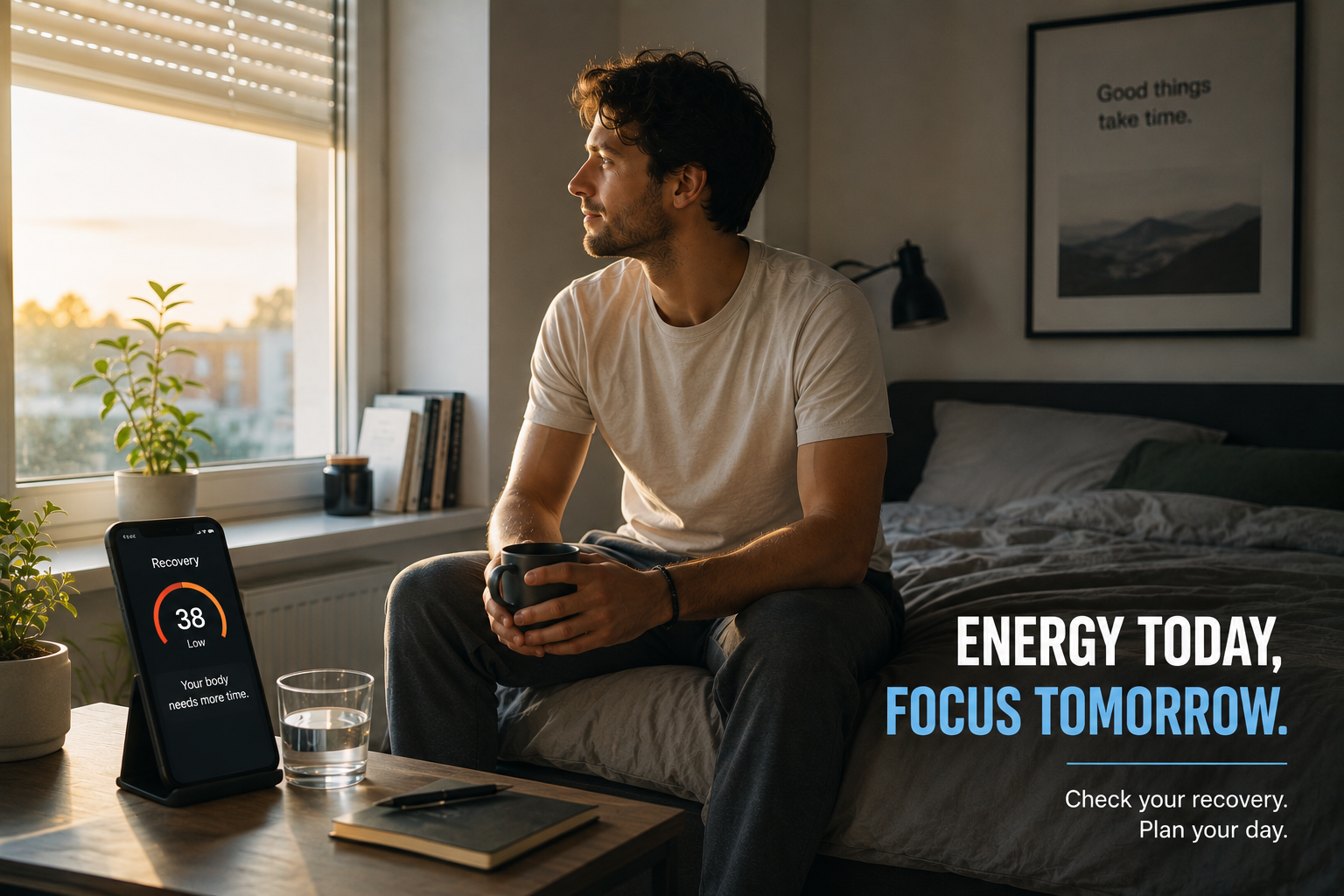
Best Apps to Track Poor Recovery and Fatigue in 2026
Anjali Singh · Jul 15, 2026
- Energy

Why Travel Drains Your Body Battery Even When You Barely Move
Mr.Apps · Jul 15, 2026
- Energy
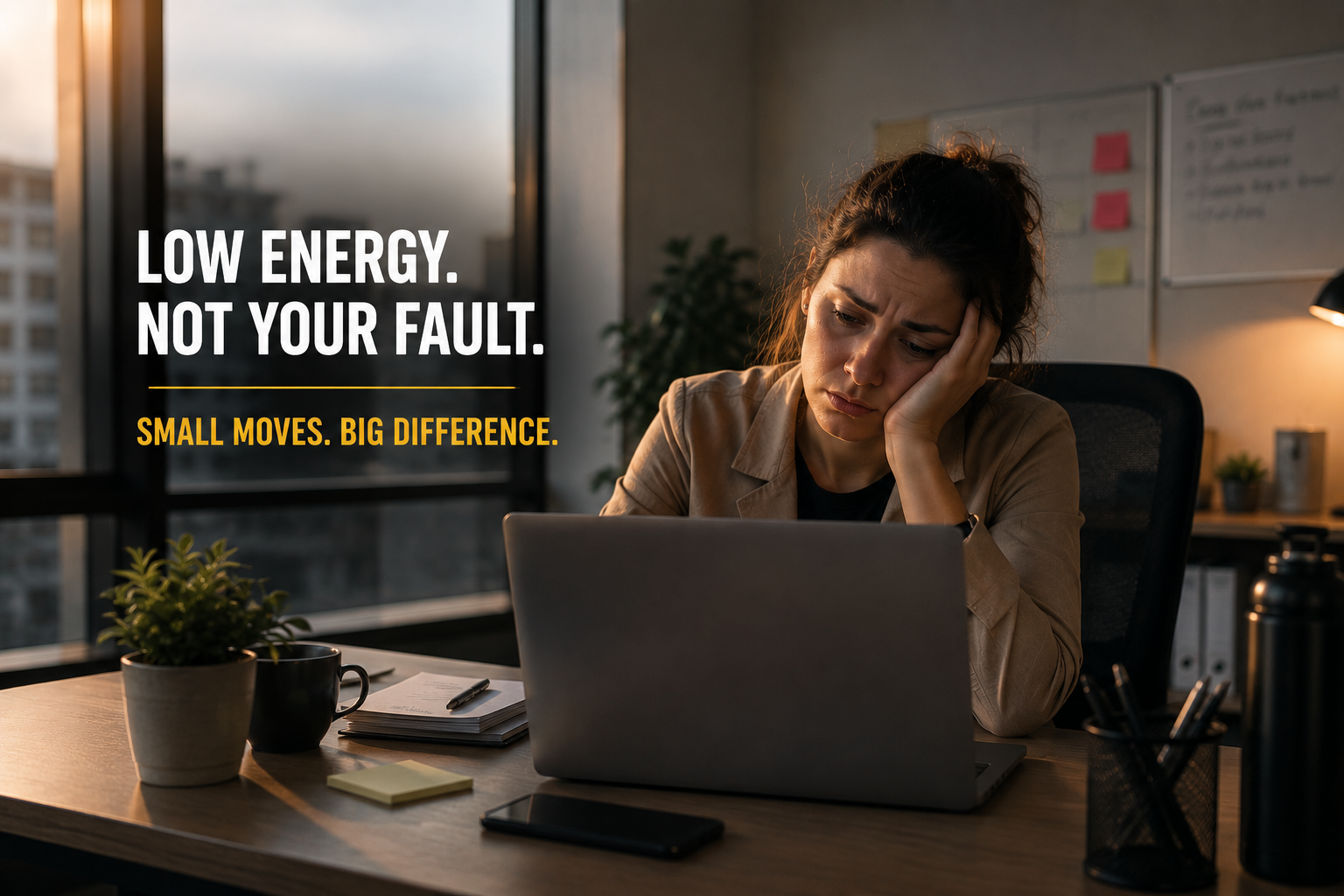
The Hidden Cost of Sitting All Day: What Happens to Your Energy Levels?
By Mr.Apps · Jul 14, 2026
- Apps
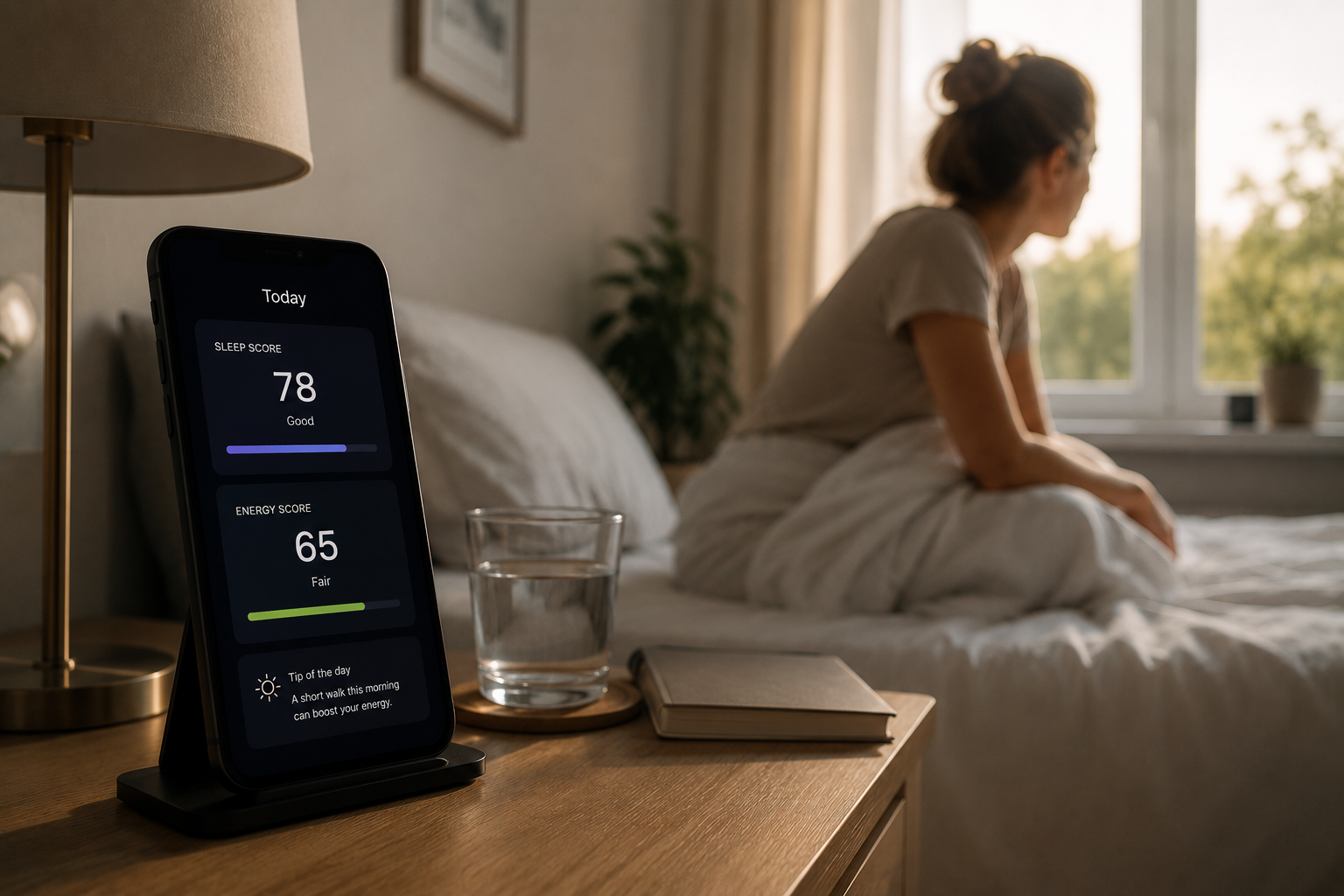
Best Sleep and Energy Tracking Apps in 2026
Anjali Singh · Jul 14, 2026
- Apps · Energy
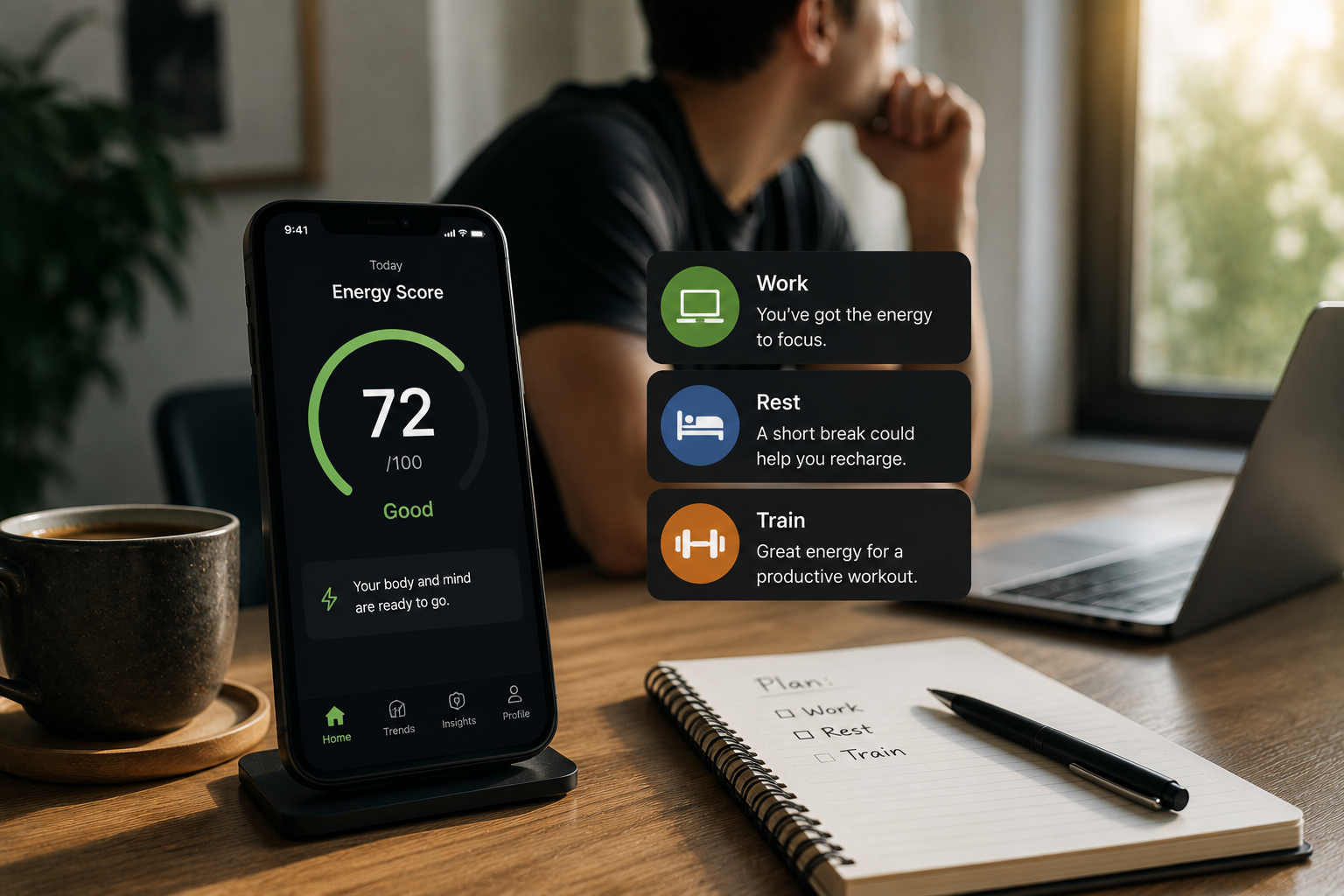
What Is a Good Energy Score? A 2026 Guide
Anjali Singh · Jul 13, 2026
- Sleep
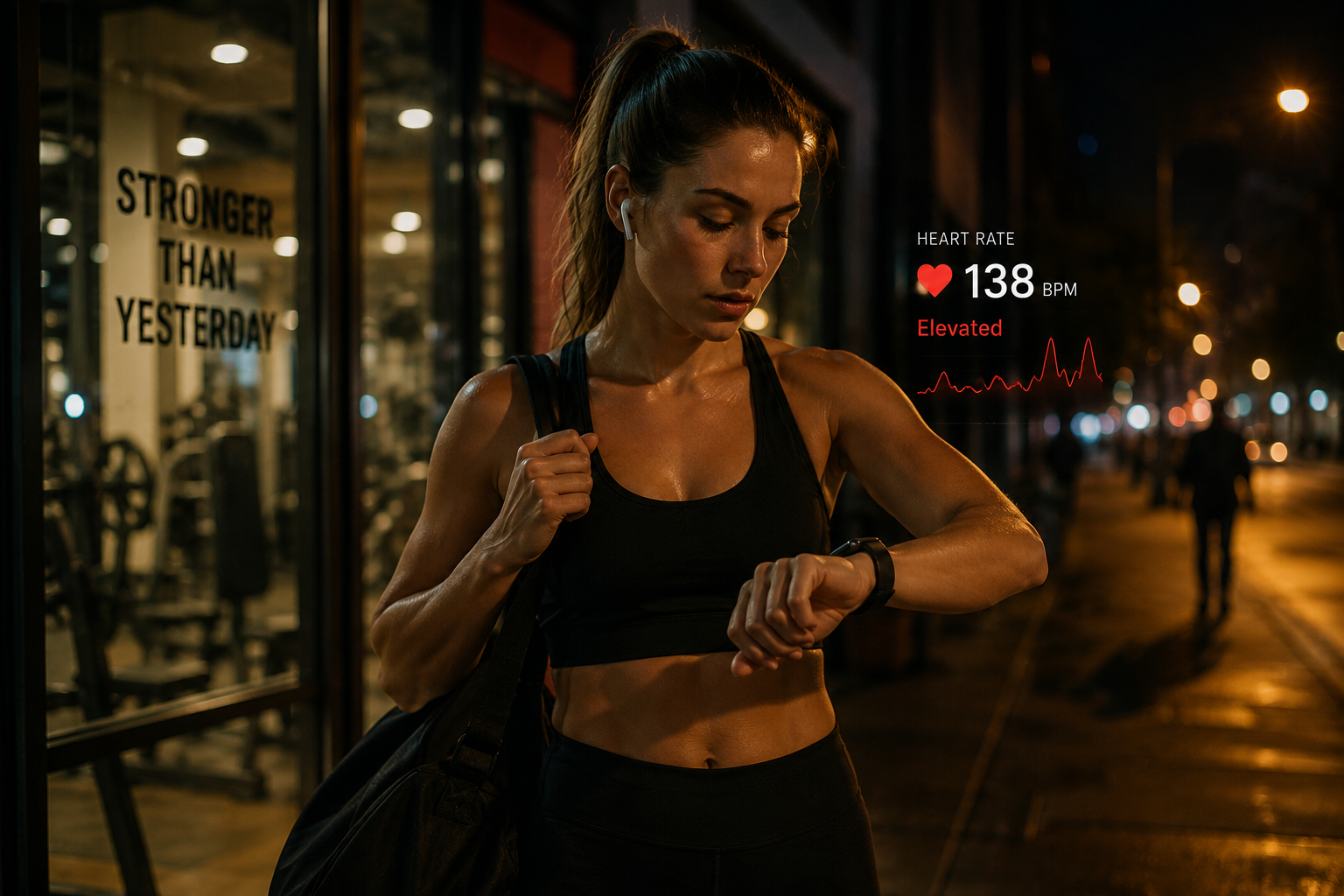
Exercise timing and sleep quality
Mr.Apps · Jul 13, 2026
- Sleep
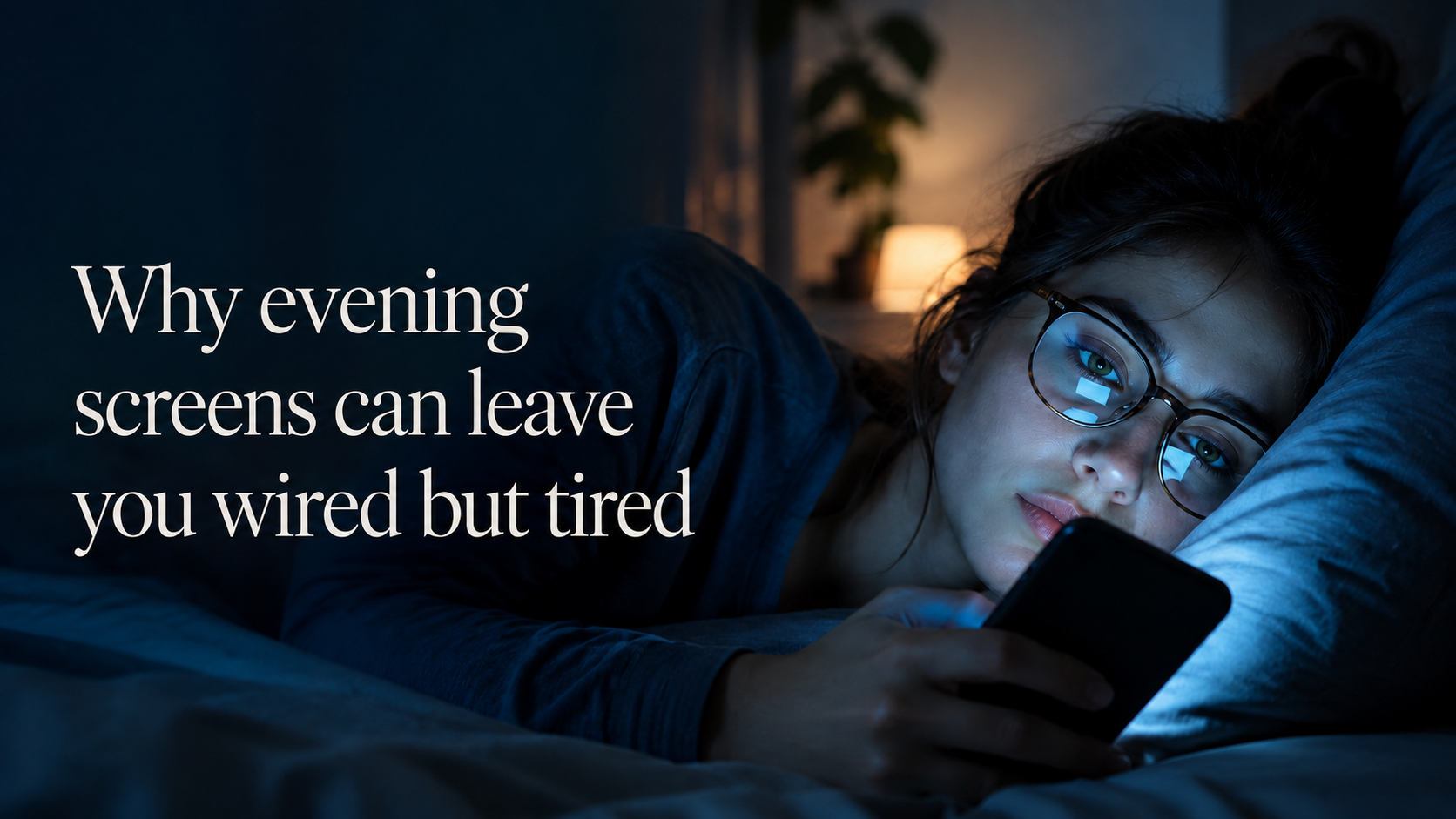
Why Evening Screens Can Leave You Wired but Tired
We're told blue light is why screens ruin our sleep, so we dim the display and turn on the warm filter. But if you've ever put the phone down exhausted and then lay there wide awake, the light was never the real problem. Here's what is.
Mr. Apps · Jul 10, 2026
- Recovery
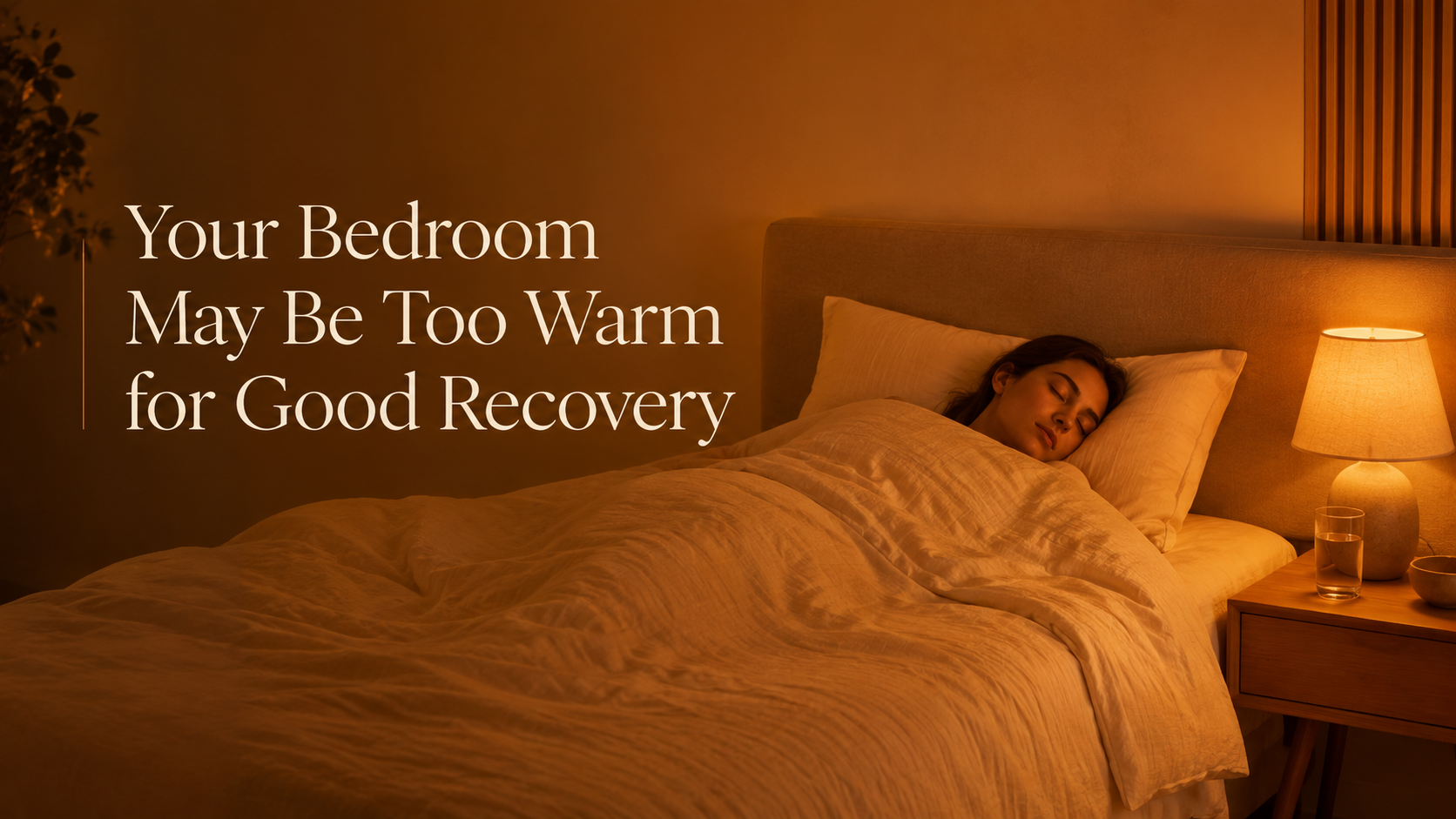
Your Bedroom May Be Too Warm for Good Recovery
For two summers, I lived in a bedroom that never quite cooled down after dark, and a heart rate tracker I was wearing for something else entirely showed me exactly what that was costing me overnight. It turns out a warm room doesn't just make sleep less pleasant. It measurably raises heart rate, lowers heart rate variability, and cuts into the recovery your body is supposed to get while you're asleep. Here's what the research says about why, who's most affected, and the small changes that actually help.
Mr. Apps · Jul 9, 2026
- Energy
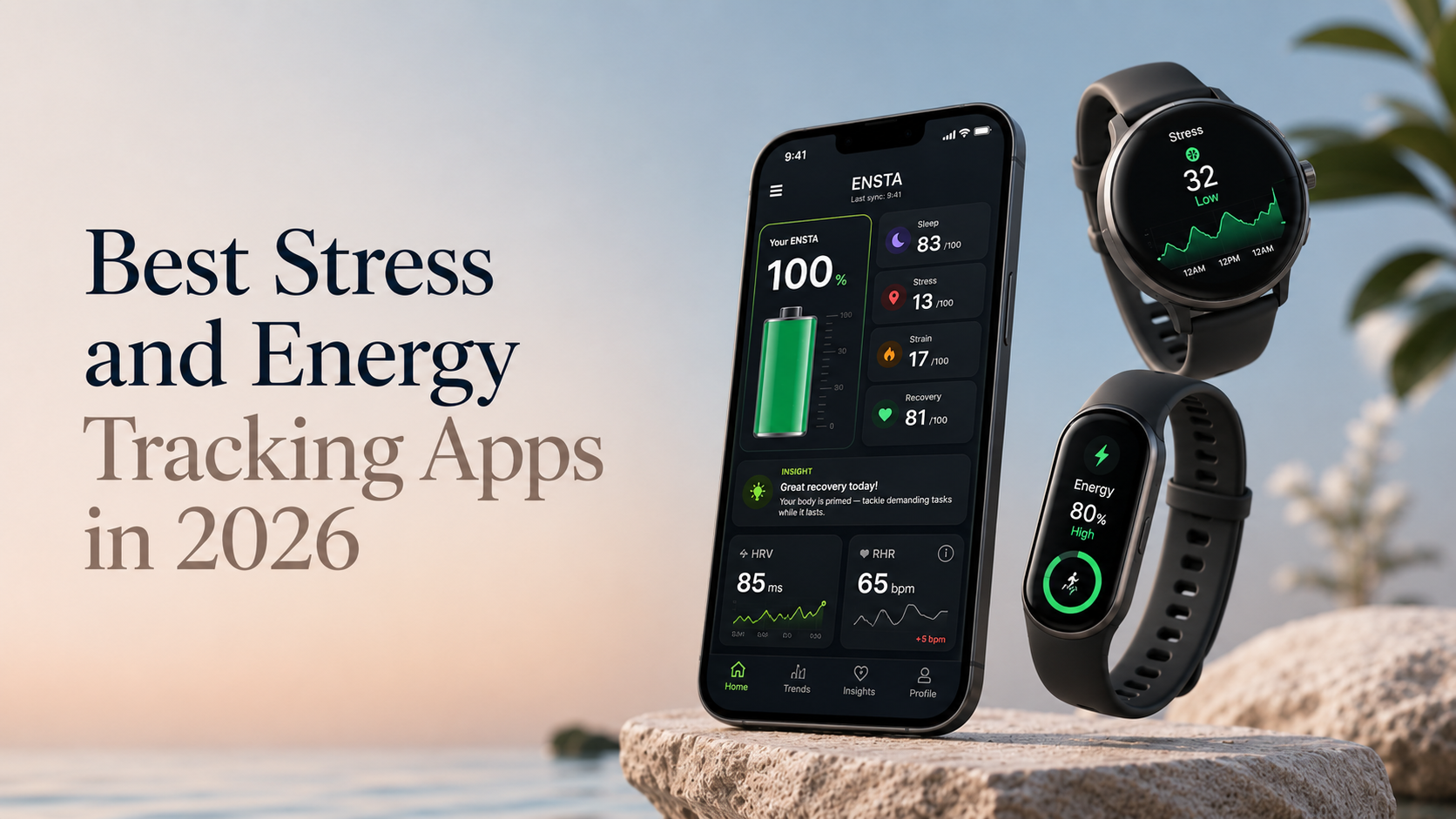
Best Stress and Energy Tracking Apps in 2026
Anjali Singh · Jul 9, 2026
- Recovery

Why jet lag hits harder after some flights and how to recover faster
Some time zone changes barely touch you, and others wreck you completely, even when the shift on paper looks about the same. The difference usually comes down to direction: eastward travel fights your body's natural clock in a way westward travel doesn't, which is also why "I slept a full night" doesn't always mean you're actually recovered. Here's what the research says about why that happens, and a simple first-48-hours plan built around light, timing, and realistic expectations rather than gimmicks.
Mr.Apps · Jul 8, 2026
- Recovery
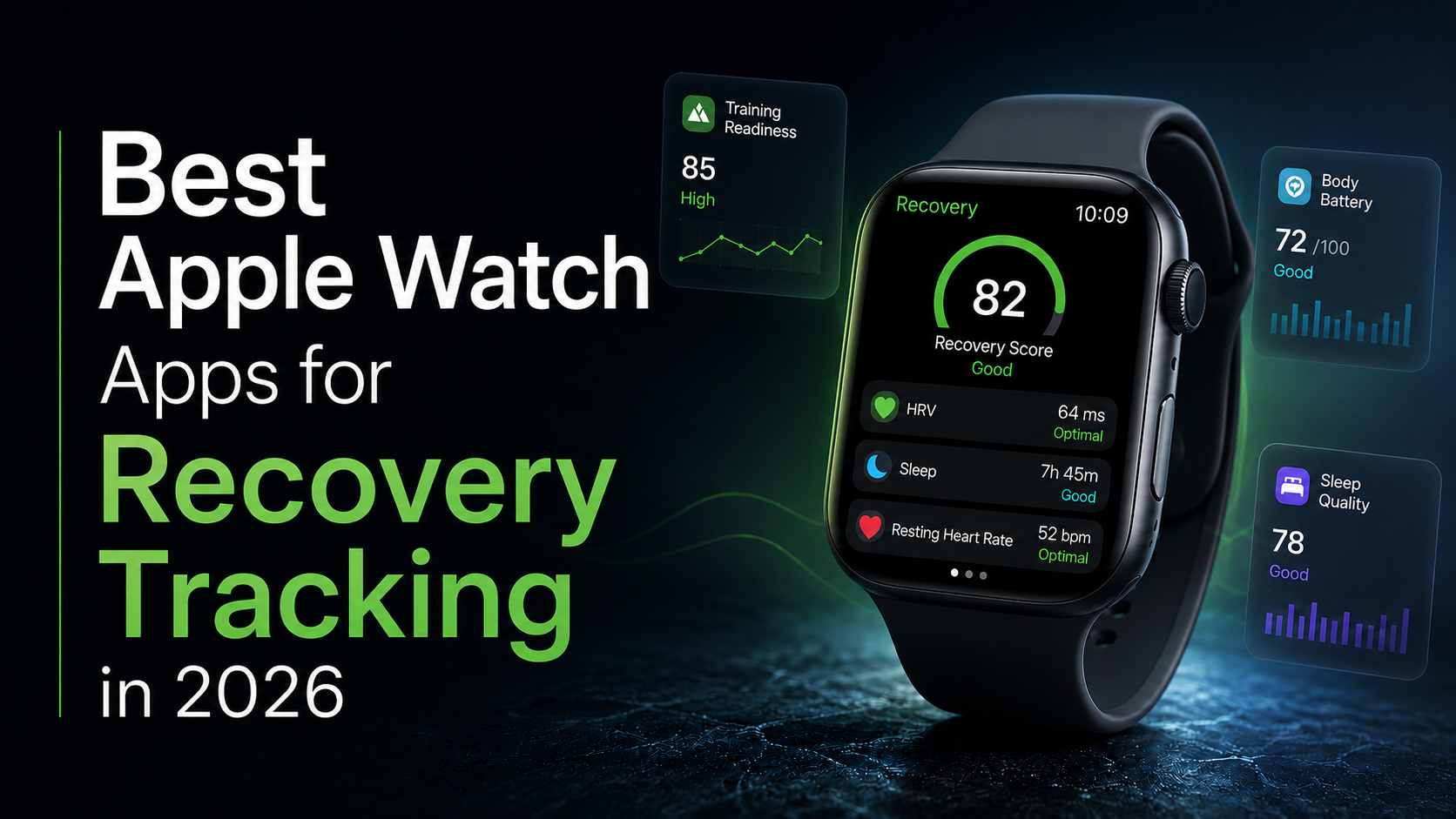
Best Apple Watch Apps for Recovery Tracking in 2026
Your Apple Watch already tracks sleep, HRV, heart rate, and activity, but recovery can still feel confusing without clear interpretation. This guide compares the best Apple Watch recovery apps for 2026, from simple daily energy scores to deeper training-readiness tools, helping you choose the right app for your goals.
Anjali Singh · Jul 8, 2026
- Sleep
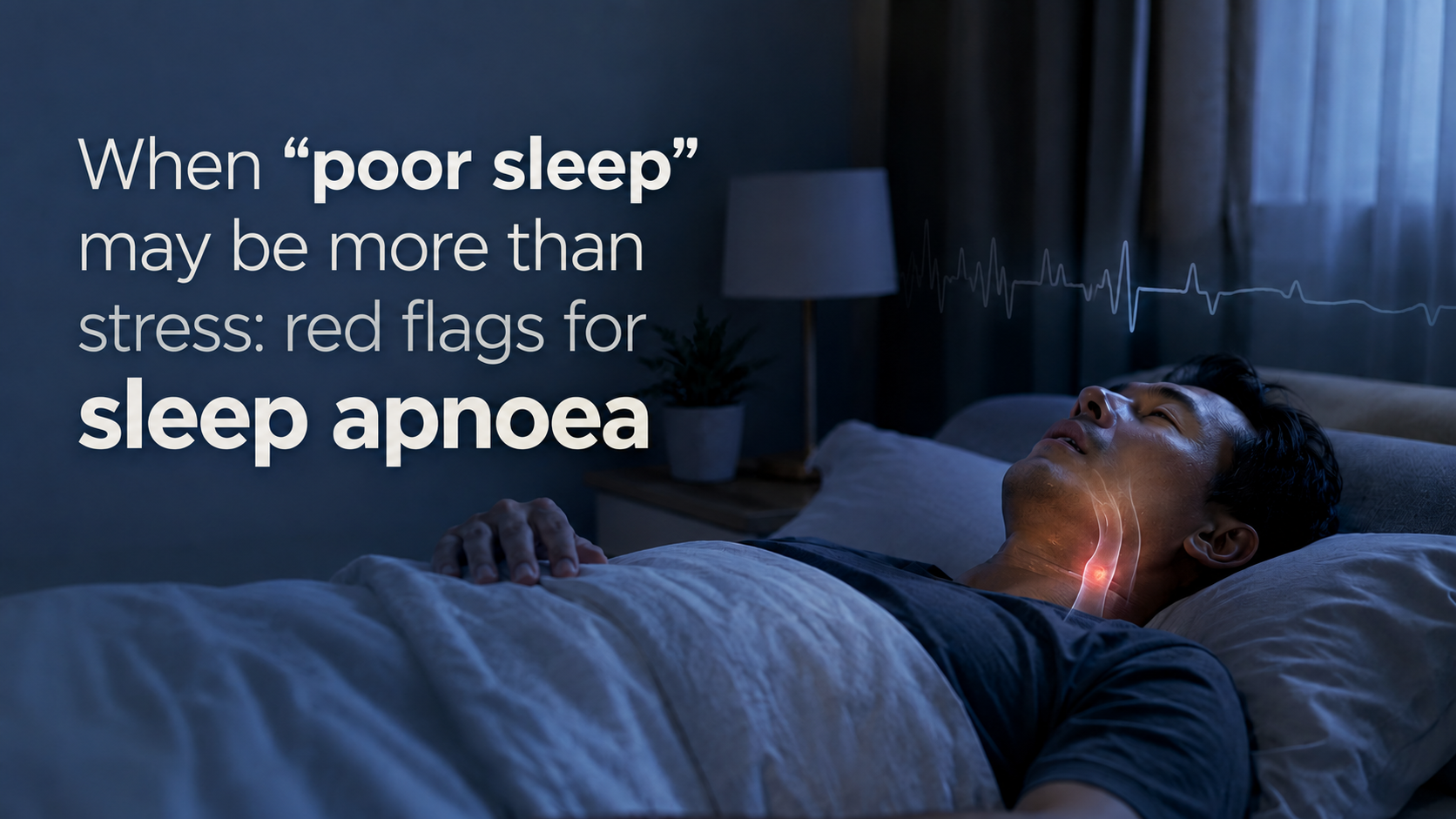
When "poor sleep" may be more than stress: red flags for sleep apnoea
Loud snoring gets dismissed as a quirk, morning headaches get blamed on stress, and daytime fog gets chalked up to a heavy calendar. Taken together, though, these signs can point to something a GP should know about: obstructive sleep apnoea. Here's what the real red flags look like, what home screening tools can and can't tell you, and when it's time to ask for a proper referral.
Mr.Apps · Jul 7, 2026
- Apps
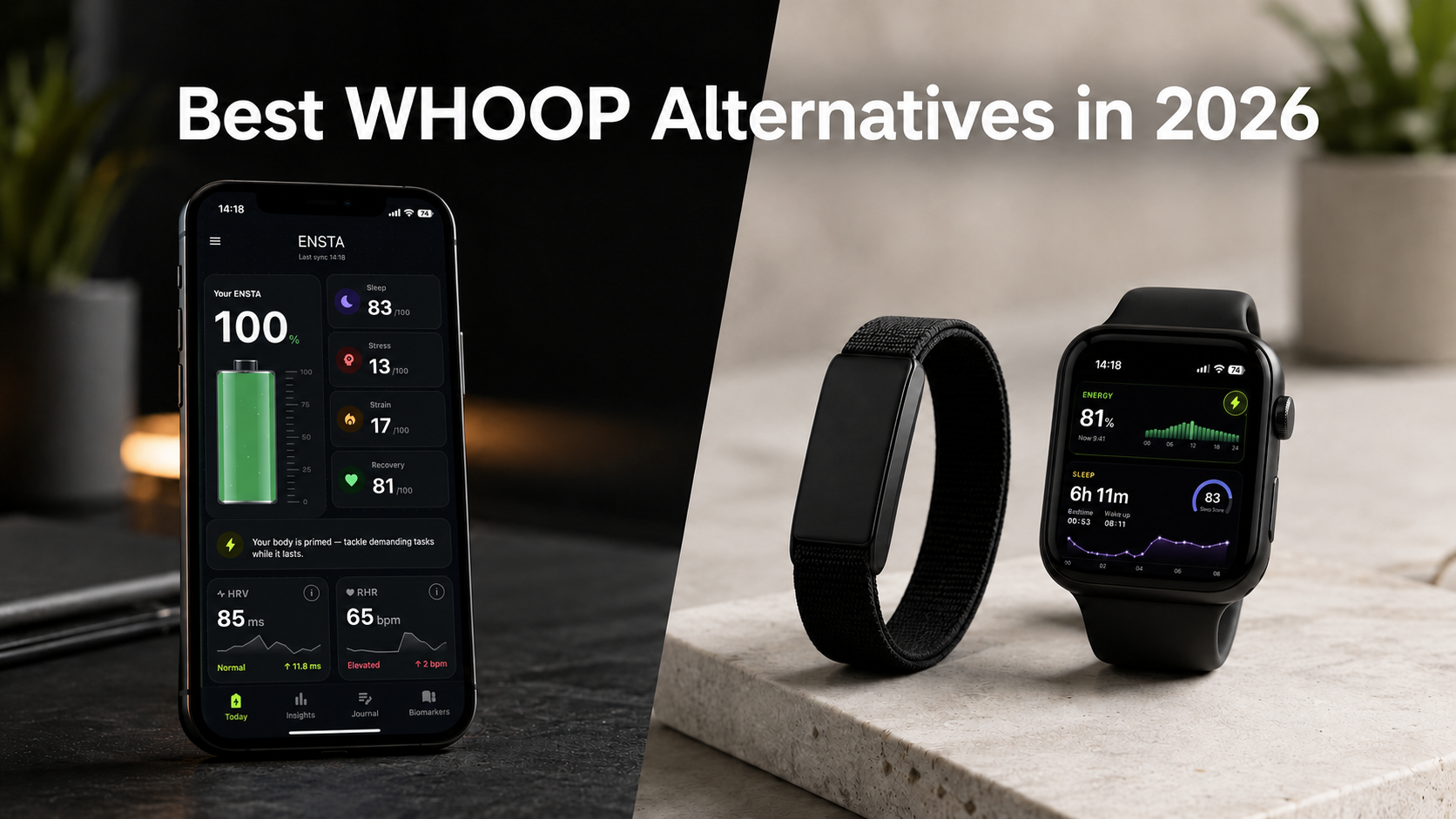
Best WHOOP Alternatives in 2026
Anjali Singh · Jul 7, 2026
- Sleep
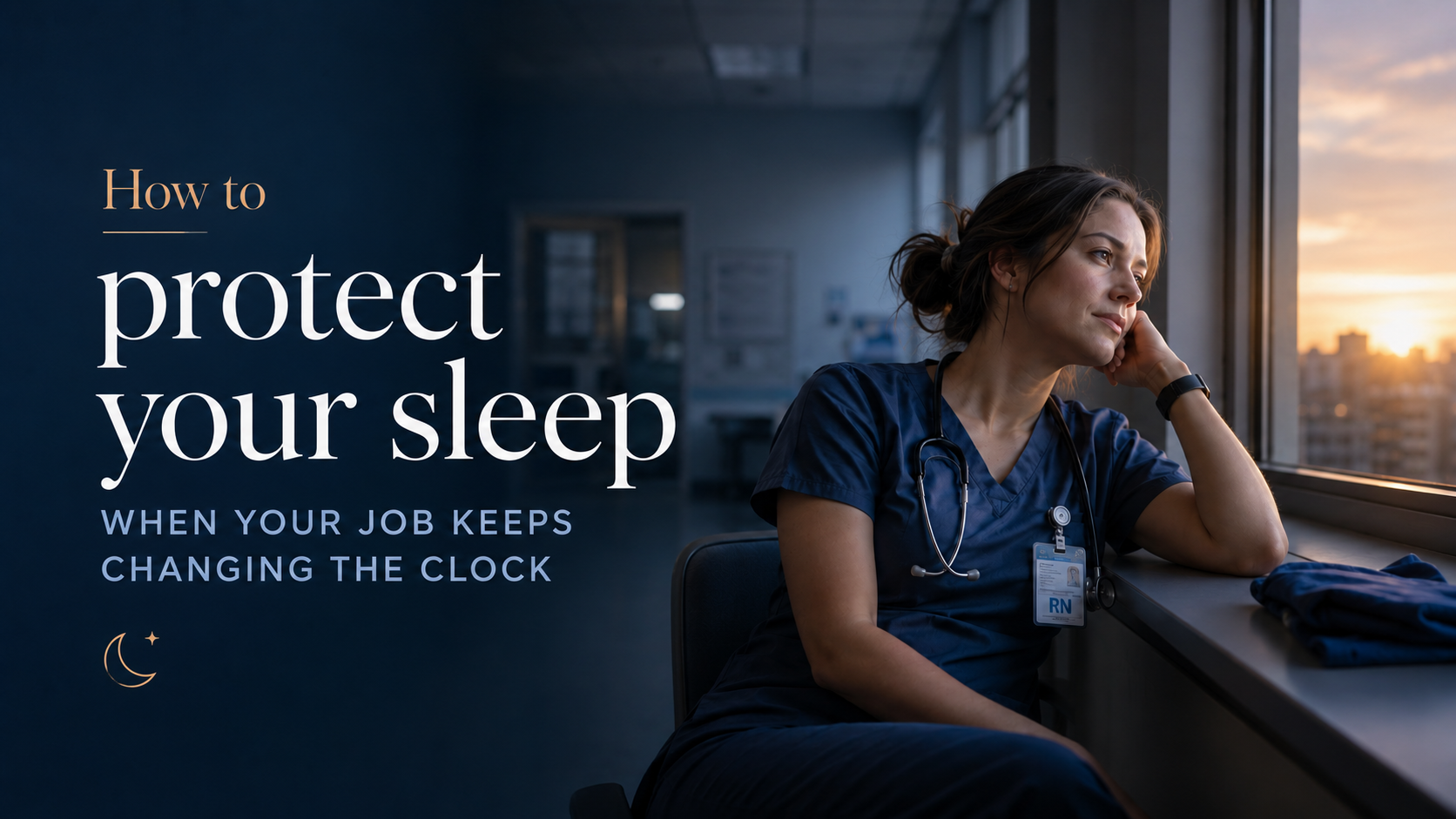
How to protect your sleep when your job keeps changing the clock
Shift work doesn't fail because people lack discipline. It fails because the body was never built to run a factory schedule. Here's what actually helps between rotating shifts, why "just going to bed earlier" doesn't work, and when persistent fatigue stops being normal and starts being something worth getting checked out.
Mr. Apps · Jul 6, 2026
- Recovery
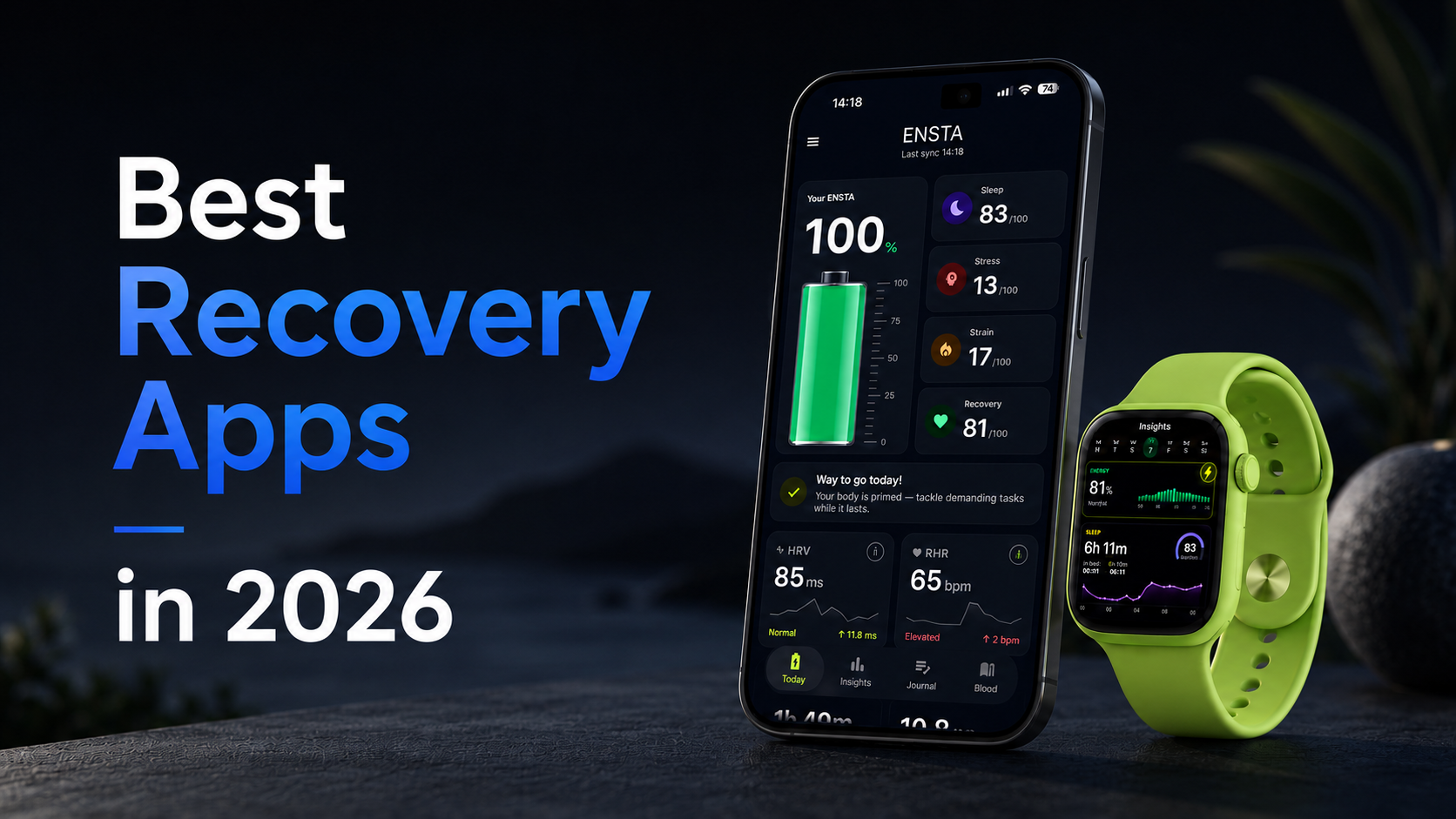
Best Recovery Apps in 2026
Compare the best recovery apps in 2026, including Ensta, WHOOP, Oura, Athlytic, Elite HRV, and Muscle Recovery Tracker. Learn which recovery tracker is best for your body, sleep, HRV, stress, strain, training load, and daily energy score — whether you want a simple free recovery app, an Apple Watch recovery app, a sleep-focused readiness score, or an athlete-grade recovery tracker.
Anjali Singh · Jul 6, 2026
- Sleep

When naps help your energy and when they quietly make sleep worse
Mr.Apps · Jul 3, 2026
- Energy
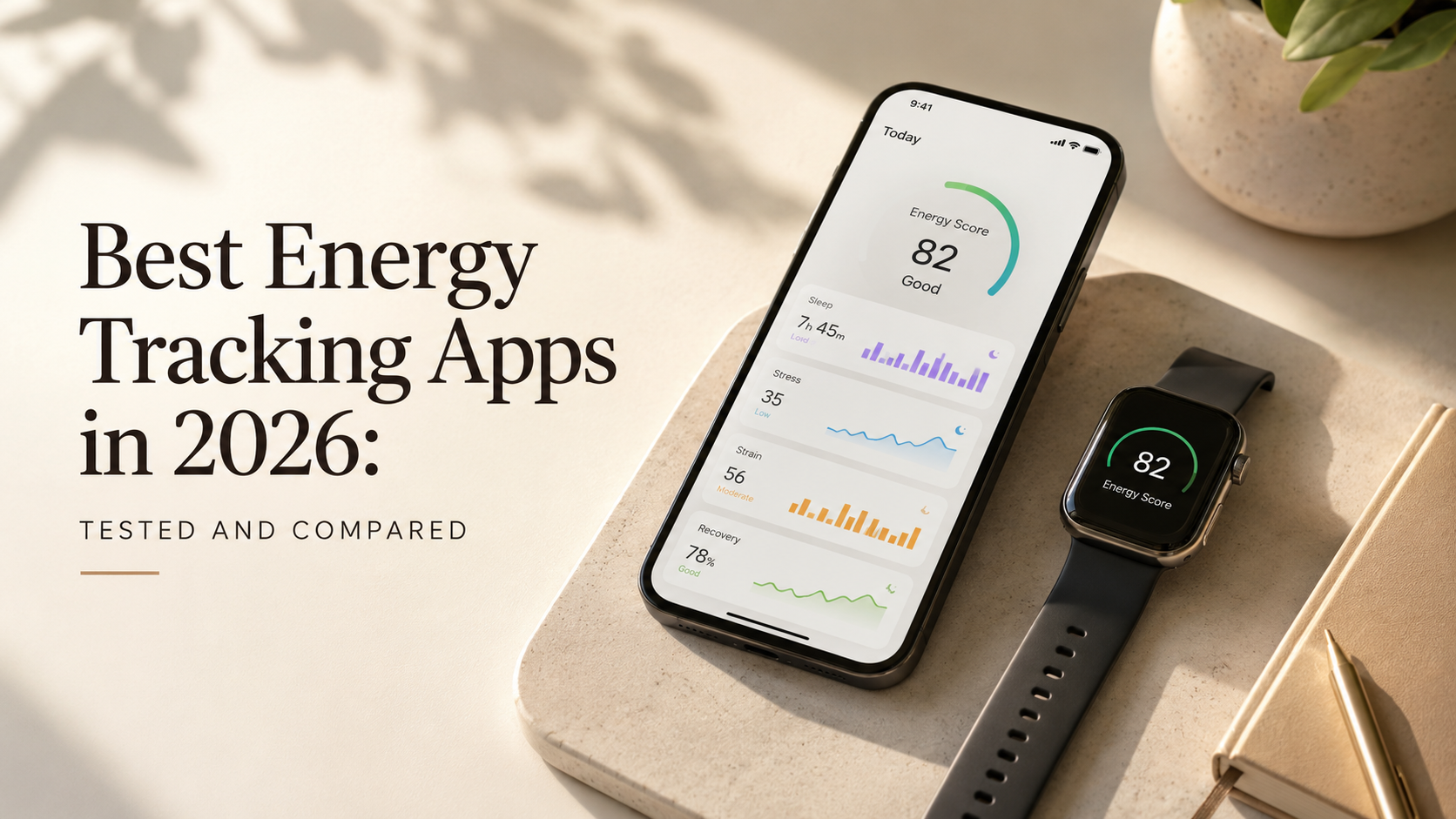
Best Energy Tracking Apps in 2026: Tested and Compared
Anjali Singh · Jul 2, 2026
- Sleep
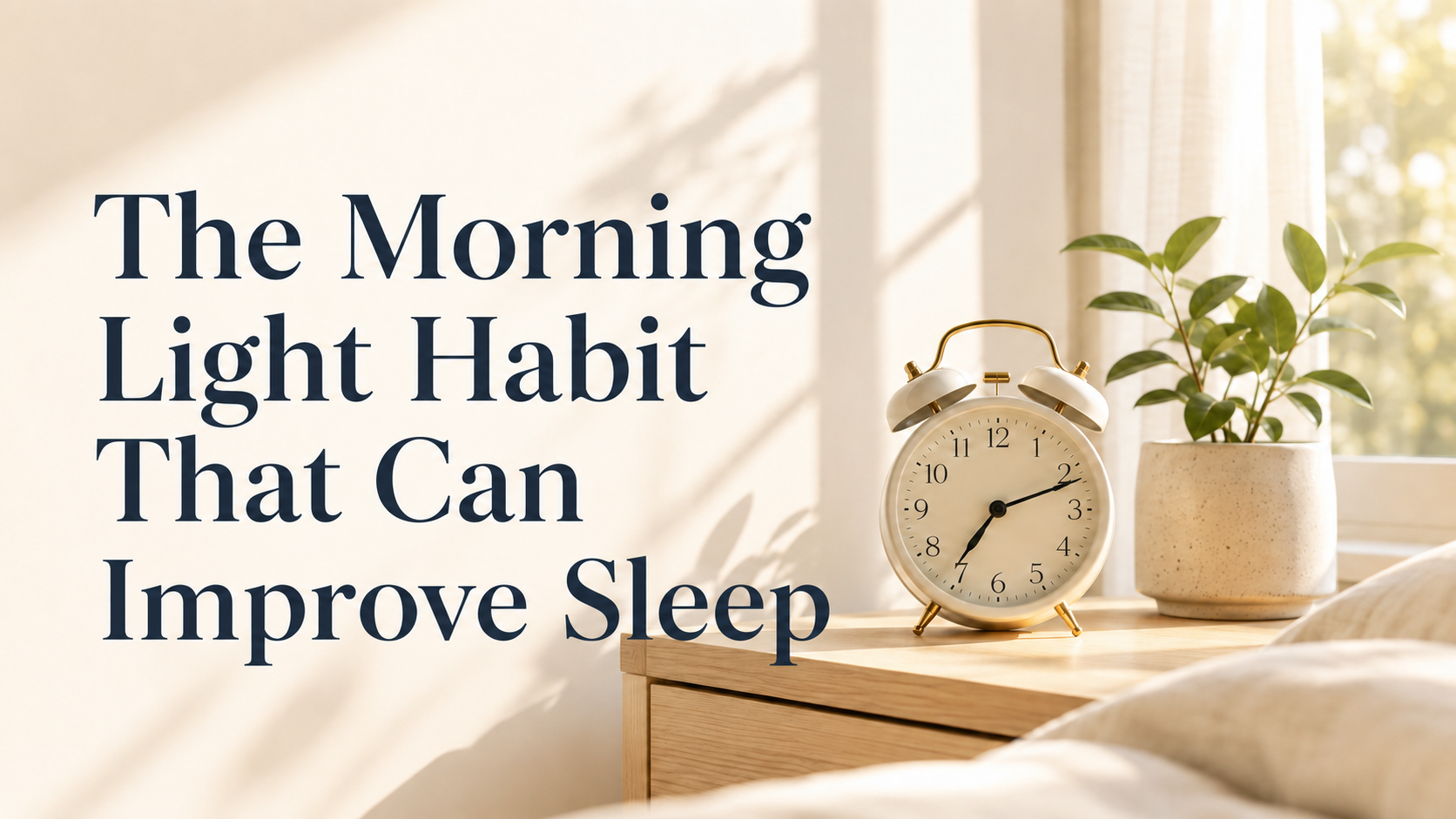
The morning light habit that can improve sleep without changing your bedtime
Most sleep advice focuses on the evening, dim the lights, put the phone away, but that's only half the equation. A few minutes of daylight soon after waking helps set your body clock earlier, making it easier to fall asleep at a reasonable hour that night, no bedtime changes required. Here's why it works, what actually counts as "morning light" in a real schedule, and when the habit alone isn't enough.
Mr. Apps · Jul 2, 2026
- Sleep
Why a regular sleep schedule may matter more than an extra hour in bed
Mr.Apps · Jul 1, 2026
- HRV
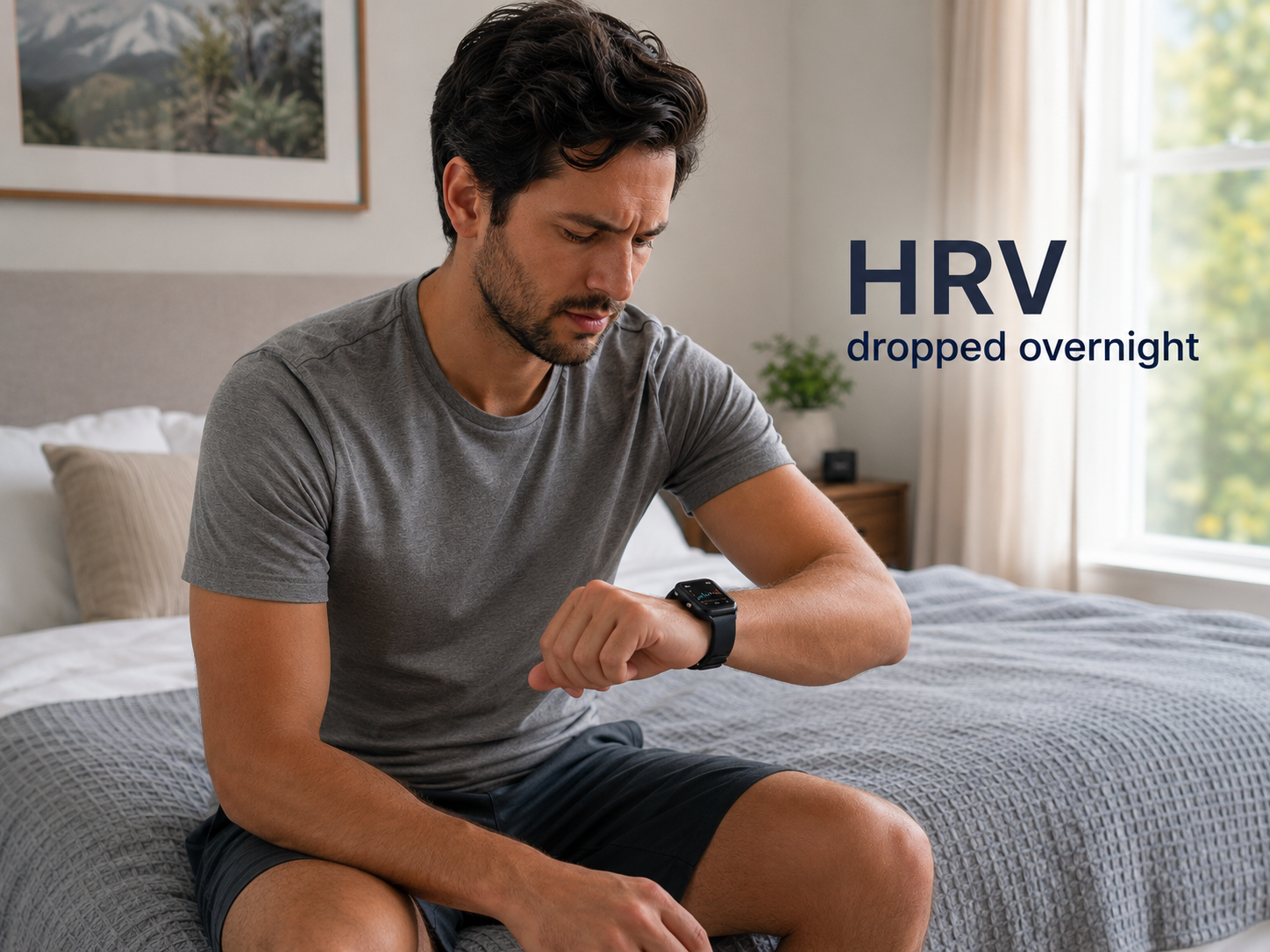
Best Apps That Explain Sudden HRV Changes in 2026
Why your HRV changed overnight, what it usually means, and the apps that actually help you figure out what to do next.
Anjali Singh · Jul 1, 2026
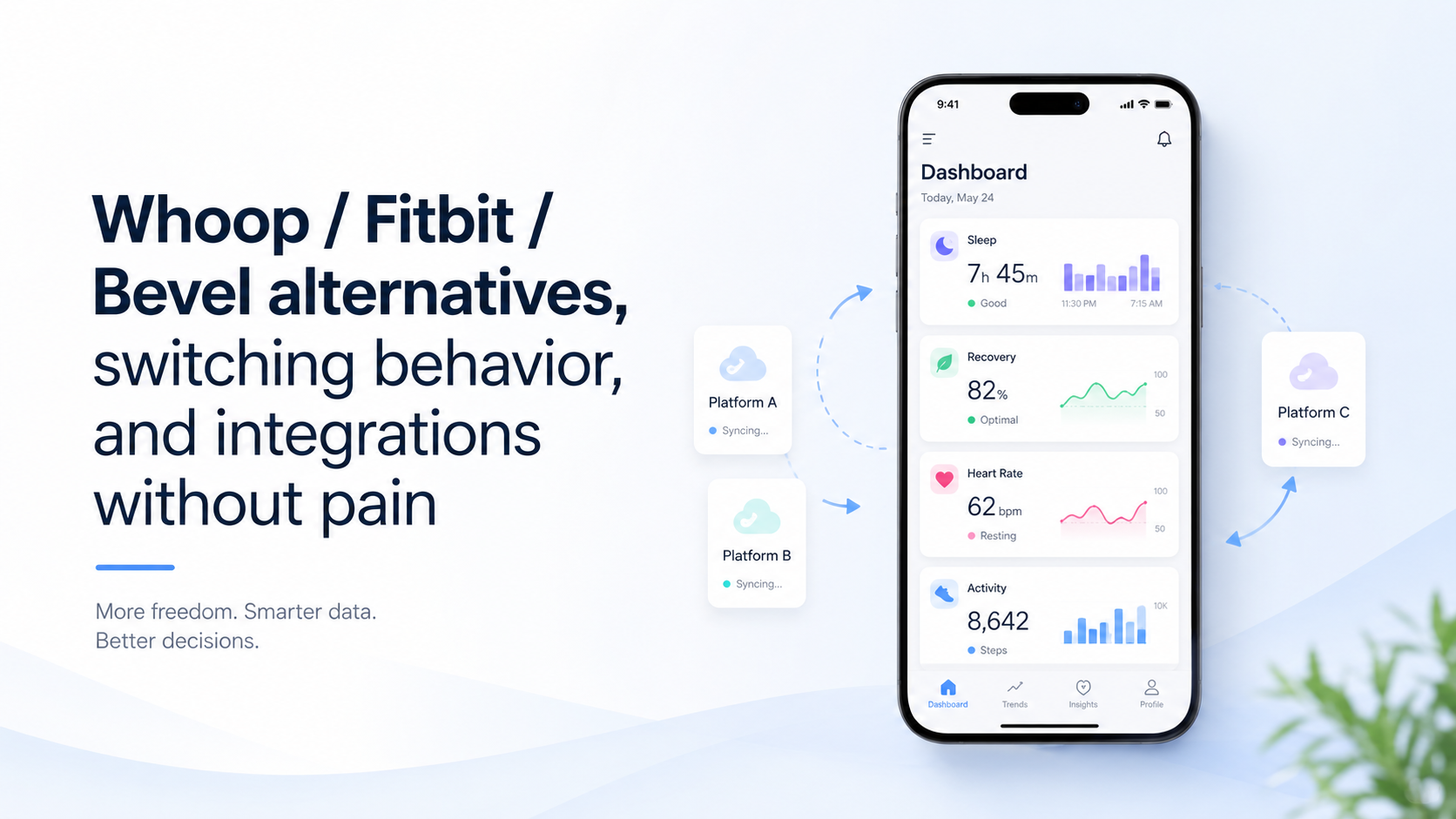
Whoop / Fitbit / Bevel alternatives, switching behavior, and integrations without pain
What reviews and forums reveal about Bevel vs Whoop, using Fitbit Air with Apple Health, and avoiding integration headaches when you ditch a subscription wearable.
Mr.Apps · Jun 30, 2026
- Energy
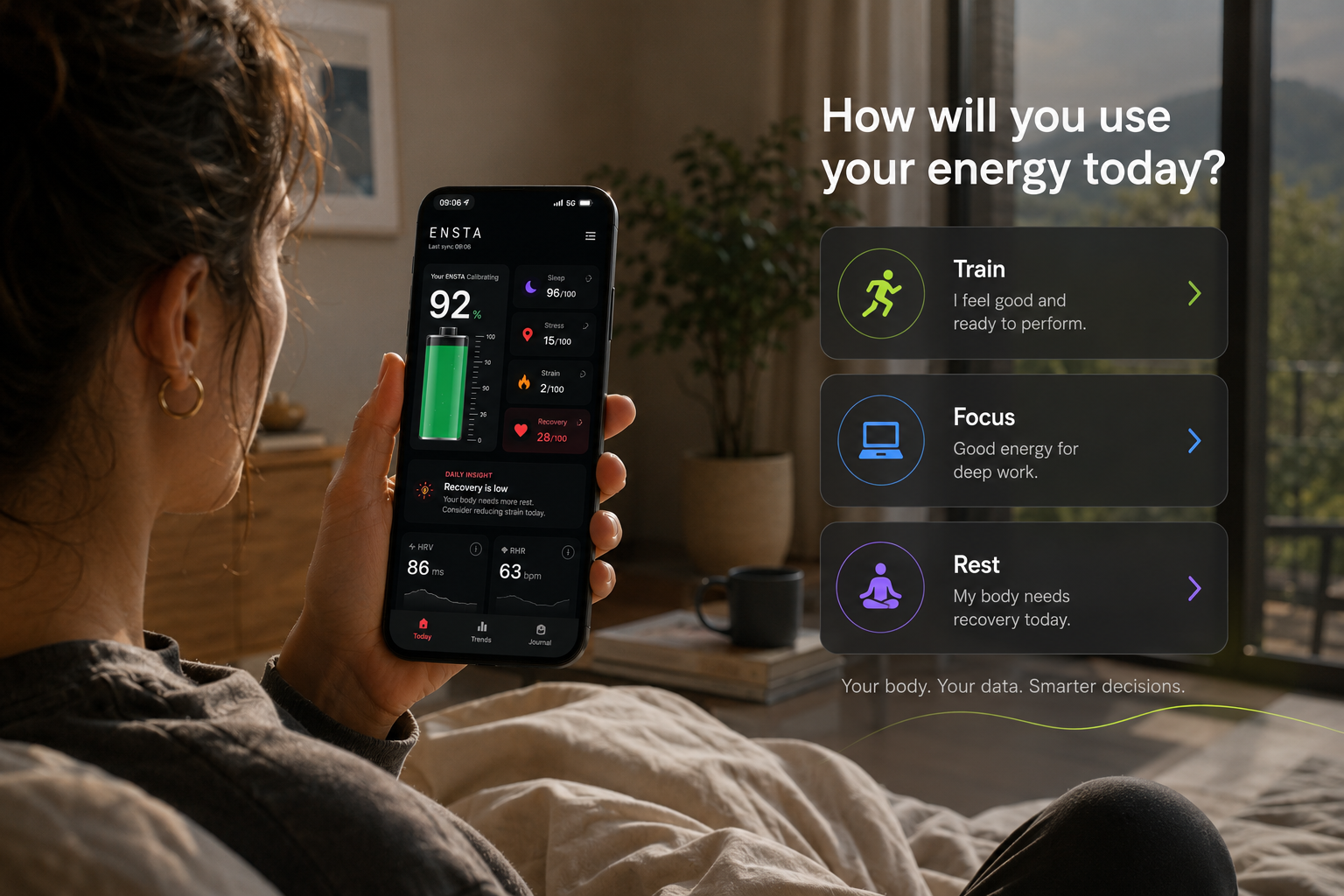
Best Free Energy Tracking Apps in 2026
The free apps are actually worth trying, what “free” really gets you, and whether you need a device at all.
Anjali Singh · Jun 30, 2026
- Energy
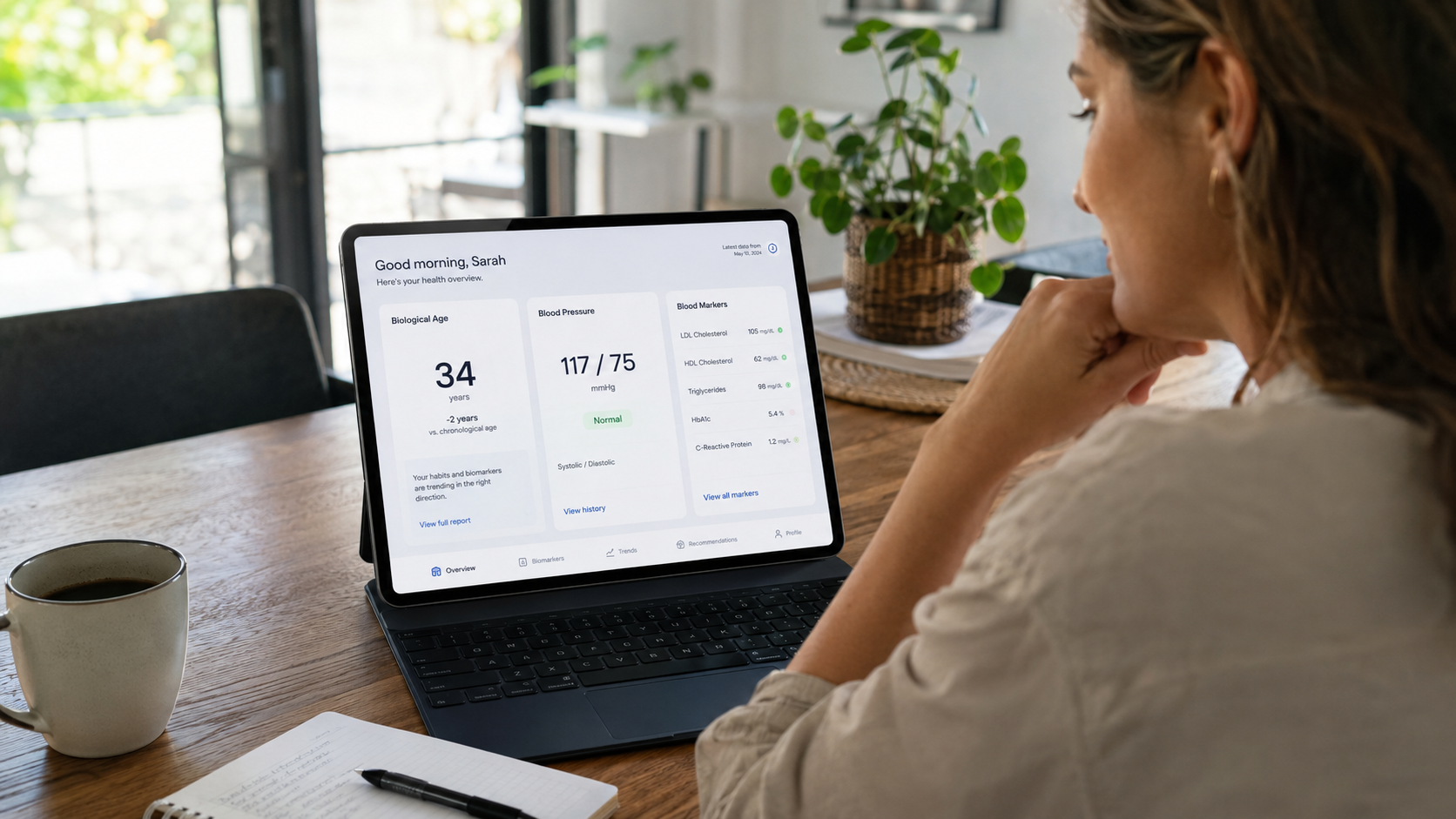
Biological Age, Blood Pressure, and Biomarkers: What Your Health App Can Actually Tell You
Health tracking is moving beyond steps, workouts, and daily recovery scores. New tools are beginning to combine biological age estimates, blood pressure, bloodwork, biomarkers, and healthspan data to give a broader picture of long-term health. This article explains what these measurements can—and cannot—tell you, why some signals matter more than others, and how the best health dashboards should turn complex numbers into clear, practical next steps.
By Mr.Apps · Jun 29, 2026
- Energy
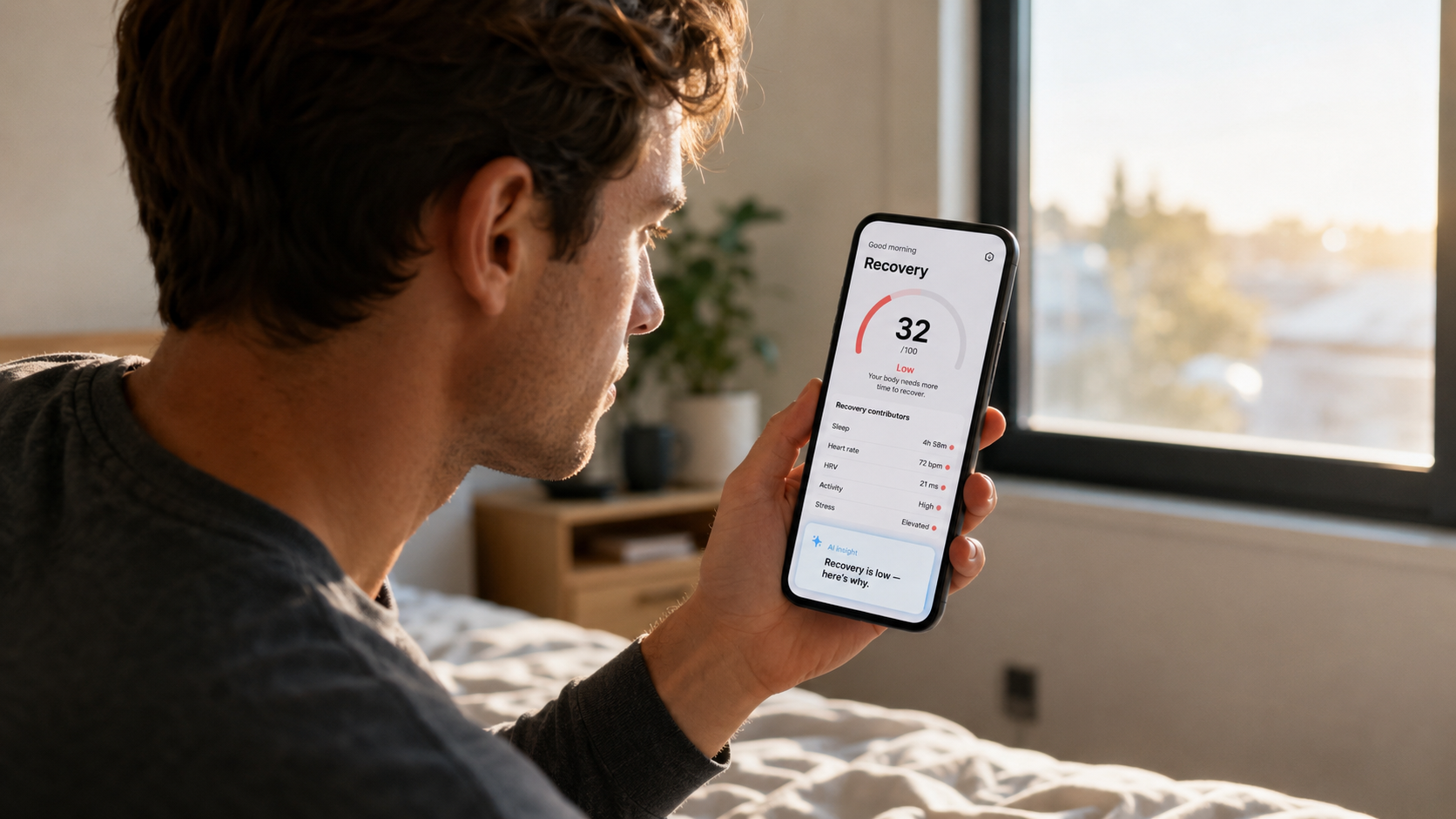
AI Health Coach: When Personalized Insights Help and When They Get Annoying
Health apps are useful when they turn complex data into clear, practical guidance. Discover why wearable advice often feels generic—and what makes an insight truly helpful.
By Mr.Apps · Jun 25, 2026
- HRV
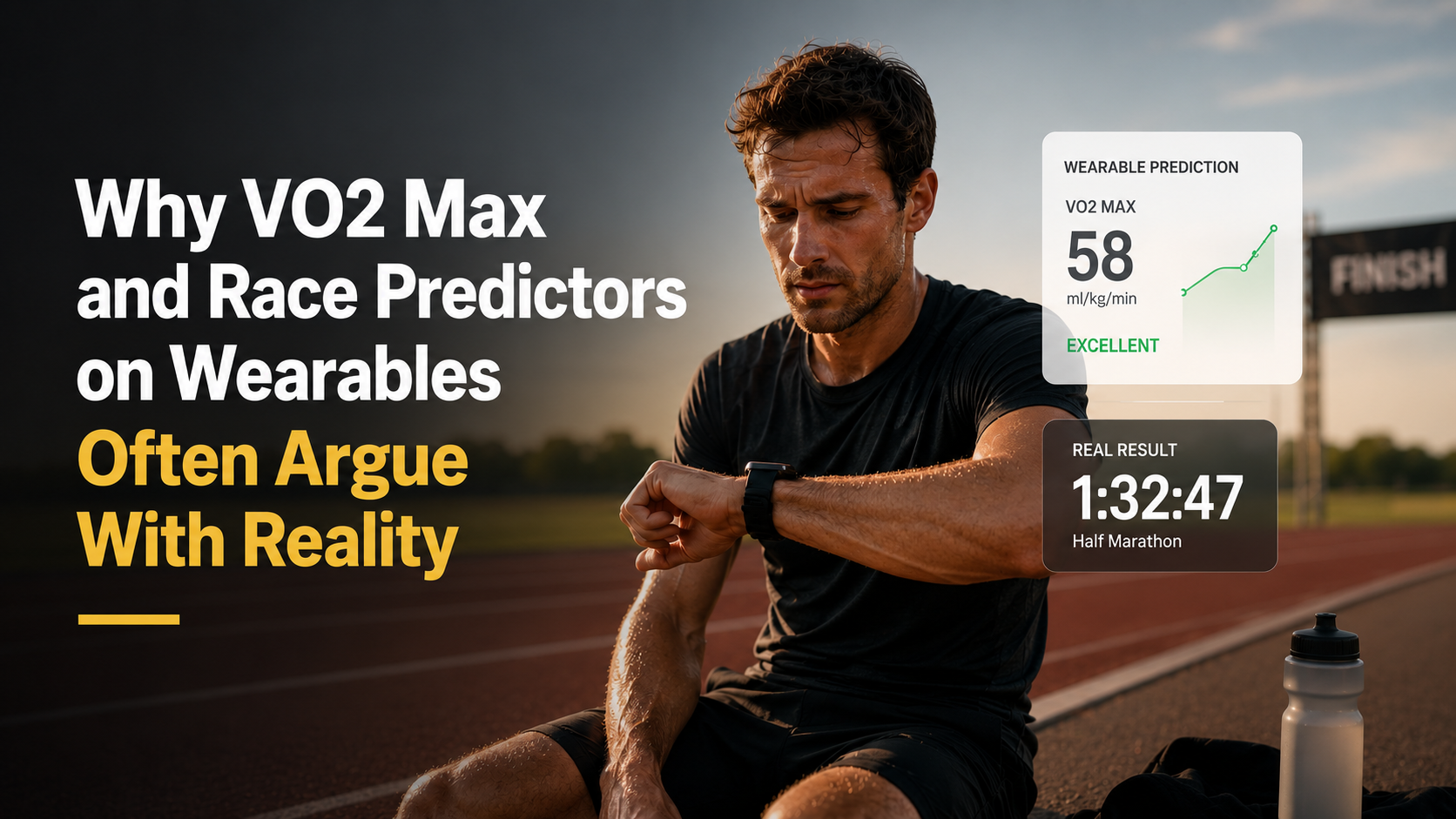
Why VO2 Max and Race Predictors on Wearables Often Argue With Reality
Your watch never measured your VO2 max, it guessed it from heart rate. Here's why that number drops in summer, why the race predictor lies, and how to read both.
Mr. Apps · Jun 24, 2026
- HRV
Why heart rate alone doesn't explain strength training
Mr.Apps · Jun 23, 2026
- Sleep
Evening Stress and Why Your Brain Won't Settle Down Before Sleep!
Falling asleep fast isn't the same as your brain settling down. What evening stress does to your sleep onset, and how to wind down when your mind won't.
Mr.Apps · Jun 22, 2026
- Energy
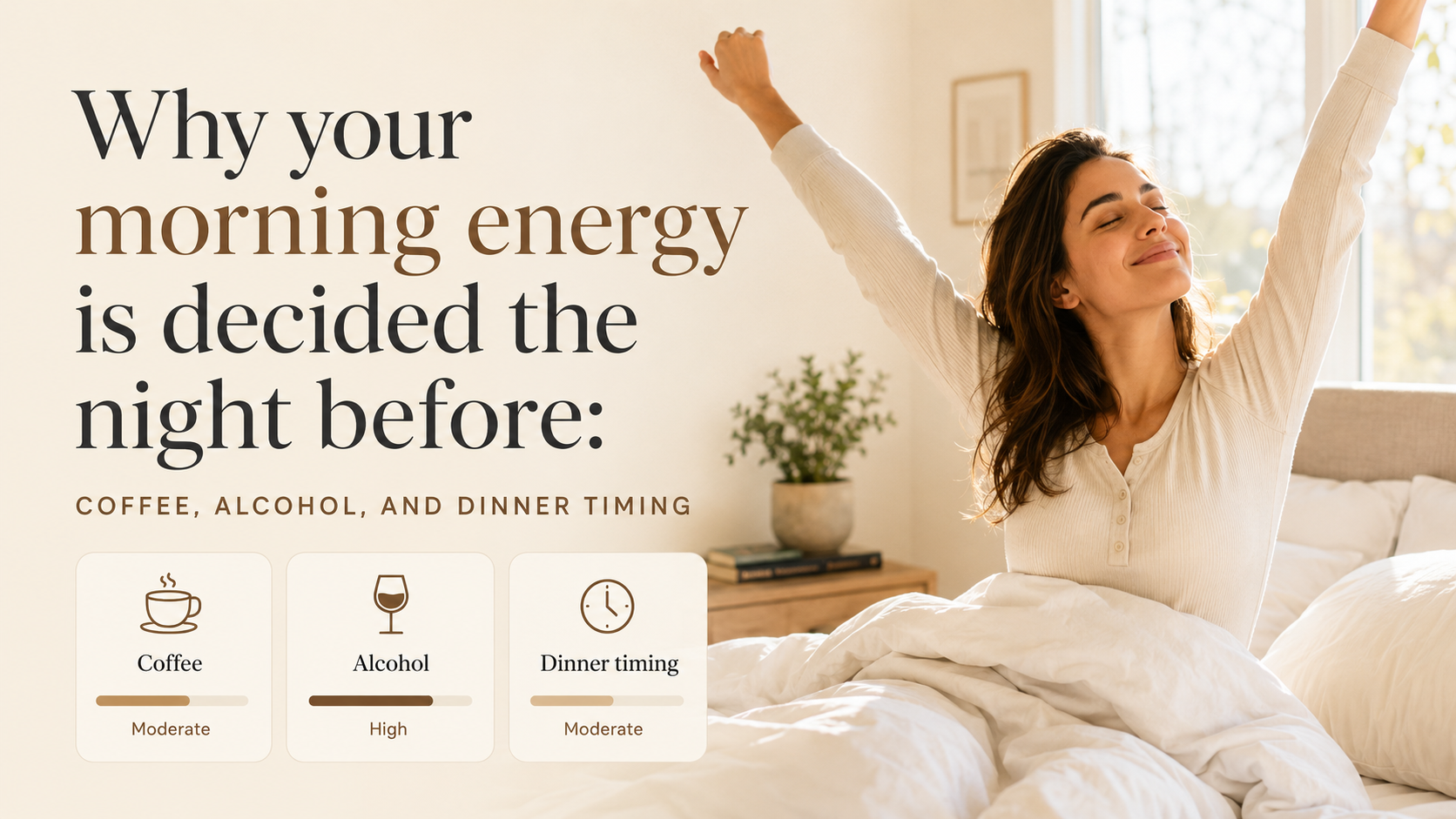
Why your morning energy is decided the night before: coffee, alcohol, and dinner timing
Most bad mornings are decided the night before. How late coffee, alcohol, and dinner timing quietly drain your next-day energy, and how to fix it.
Mr.Apps · Jun 19, 2026
- Energy
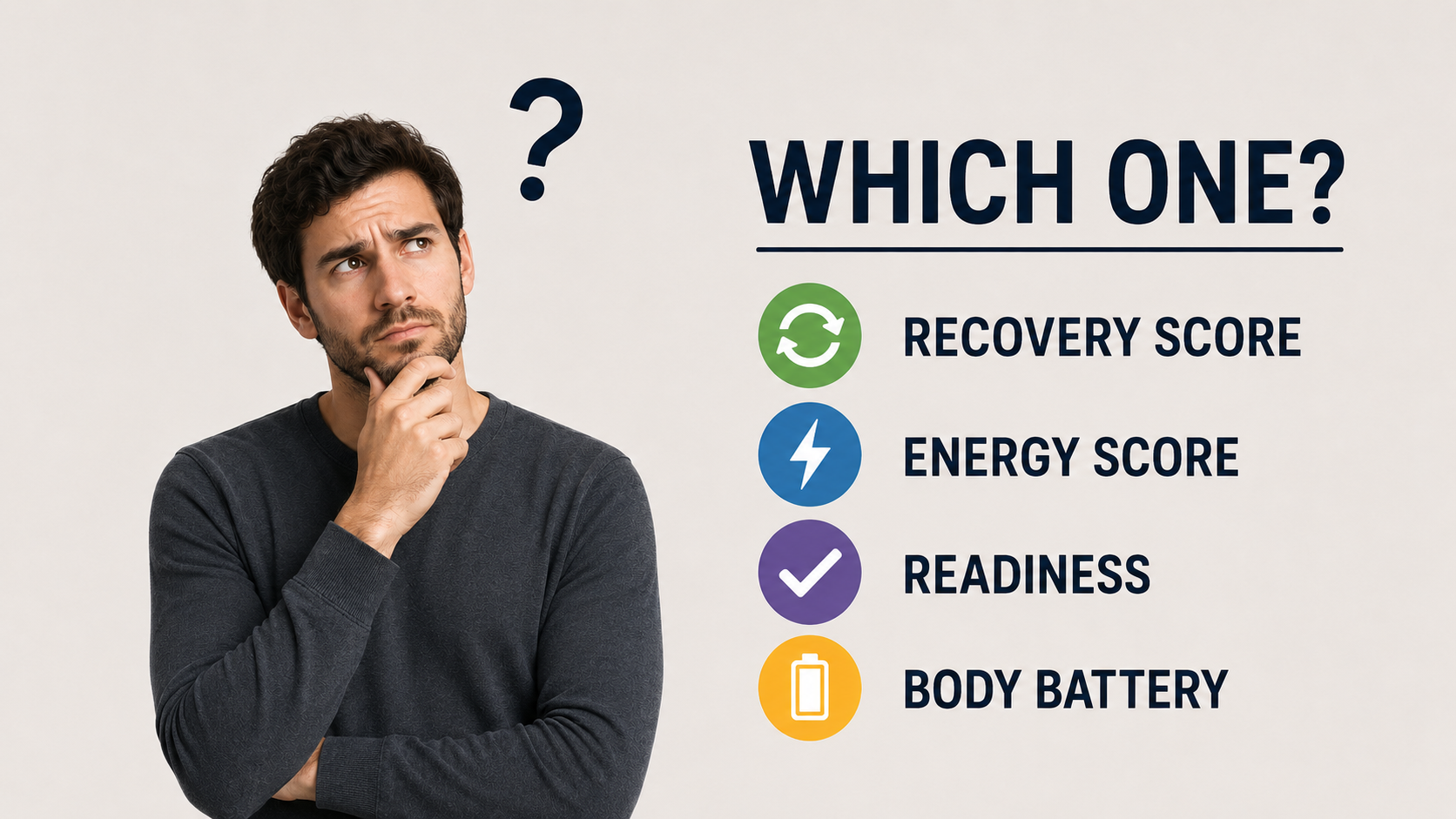
Recovery Score, Energy Score, Readiness, Body Battery — What Actually Matters
What recovery score means, how energy and readiness score differ, and body battery vs recovery — plus which numbers actually deserve your attention.
Mr.Apps · Jun 18, 2026
- HRV
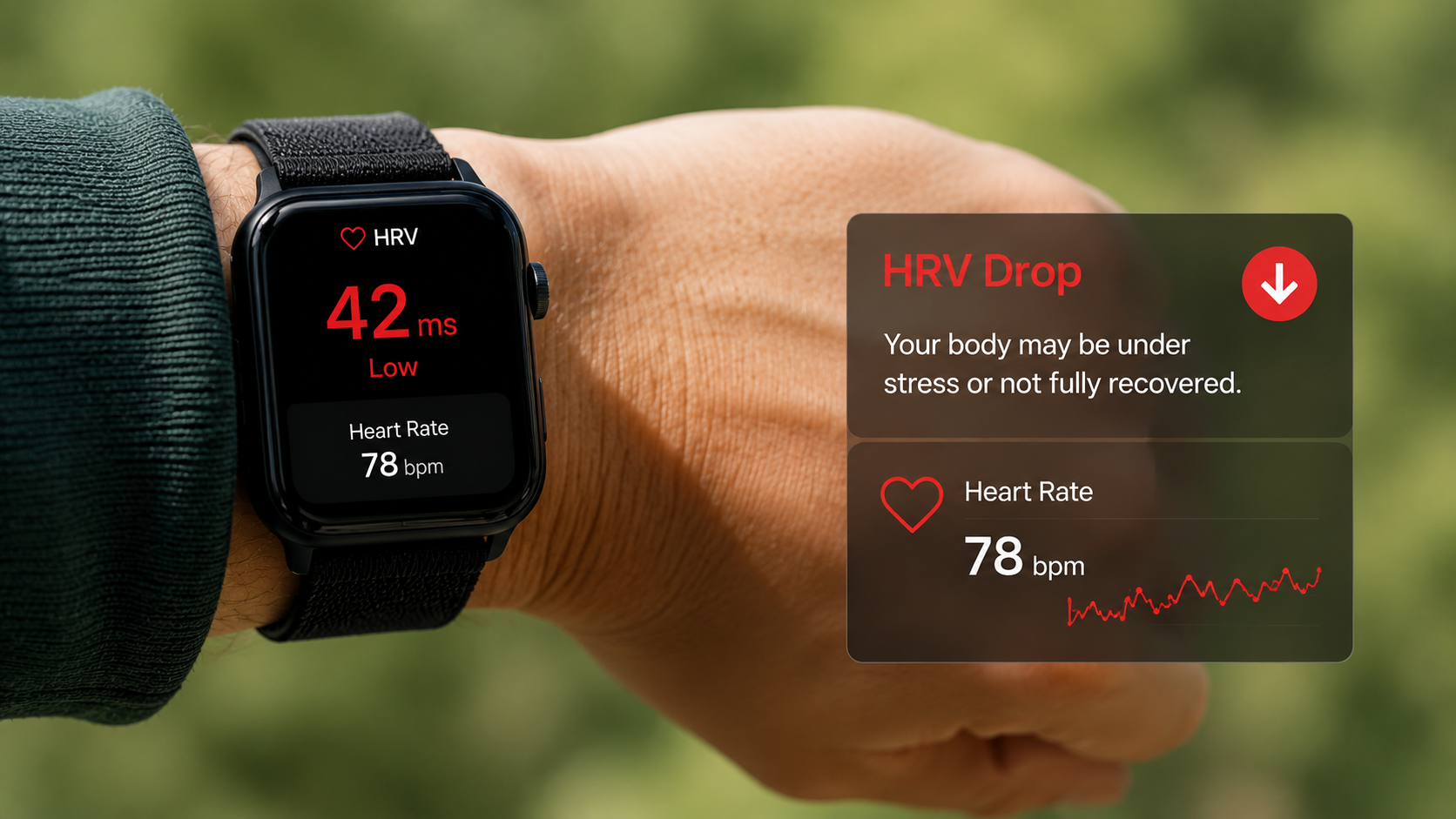
What Does an HRV Spike or HRV Drop Actually Mean?
An HRV spike isn't always good and a drop isn't always bad. Here's why your HRV changed overnight, and when low HRV is stress, sickness, alcohol, or just noise.
Mr.Apps · Jun 17, 2026
- Sleep
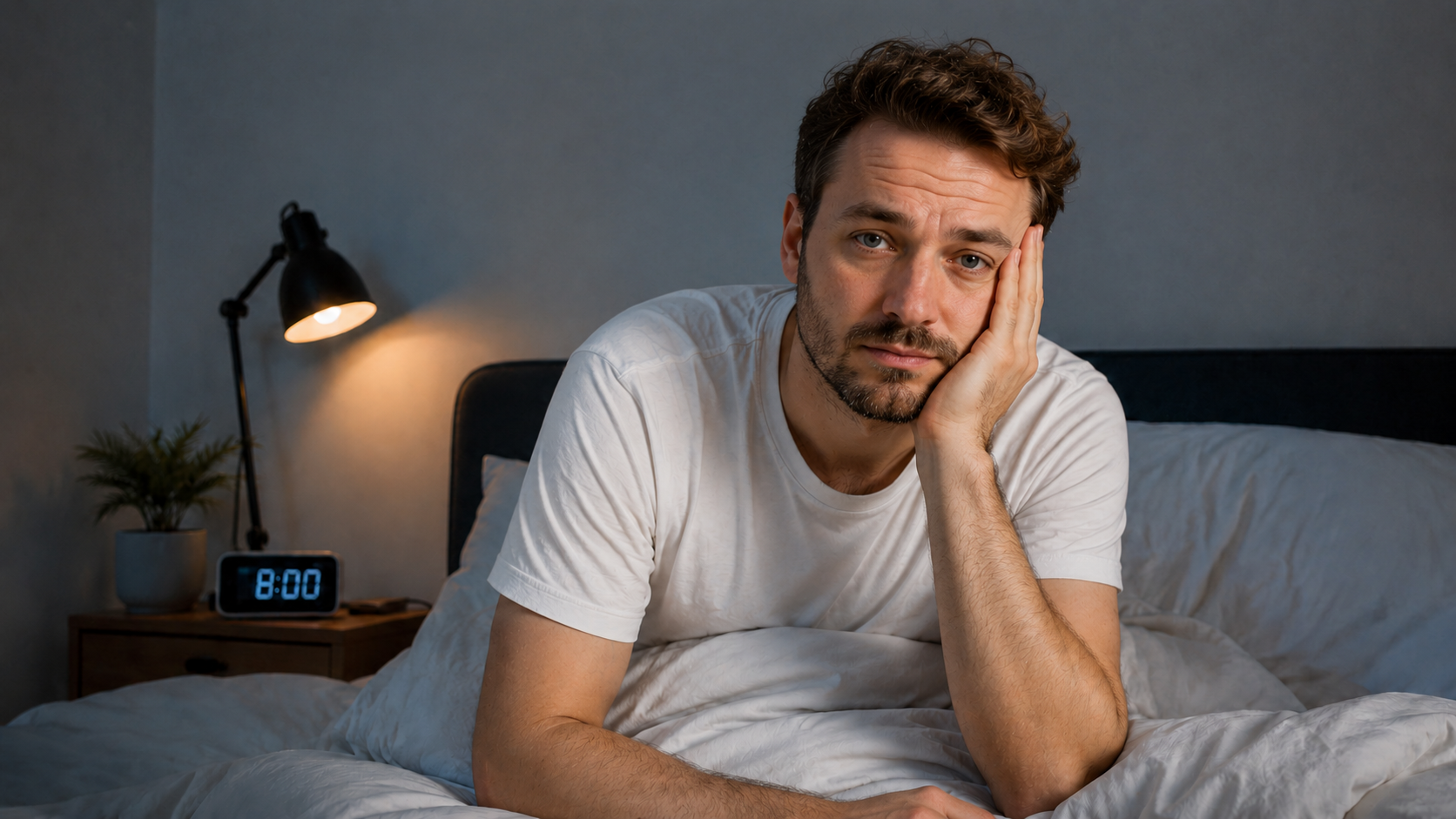
Why Am I Still Tired After 8 Hours of Sleep?
You slept 8 hours and still feel wrecked? Here's why sleep quality beats duration, what a dropping sleep score really means, and how to wake up with energy.
Mr.Apps · Jun 16, 2026