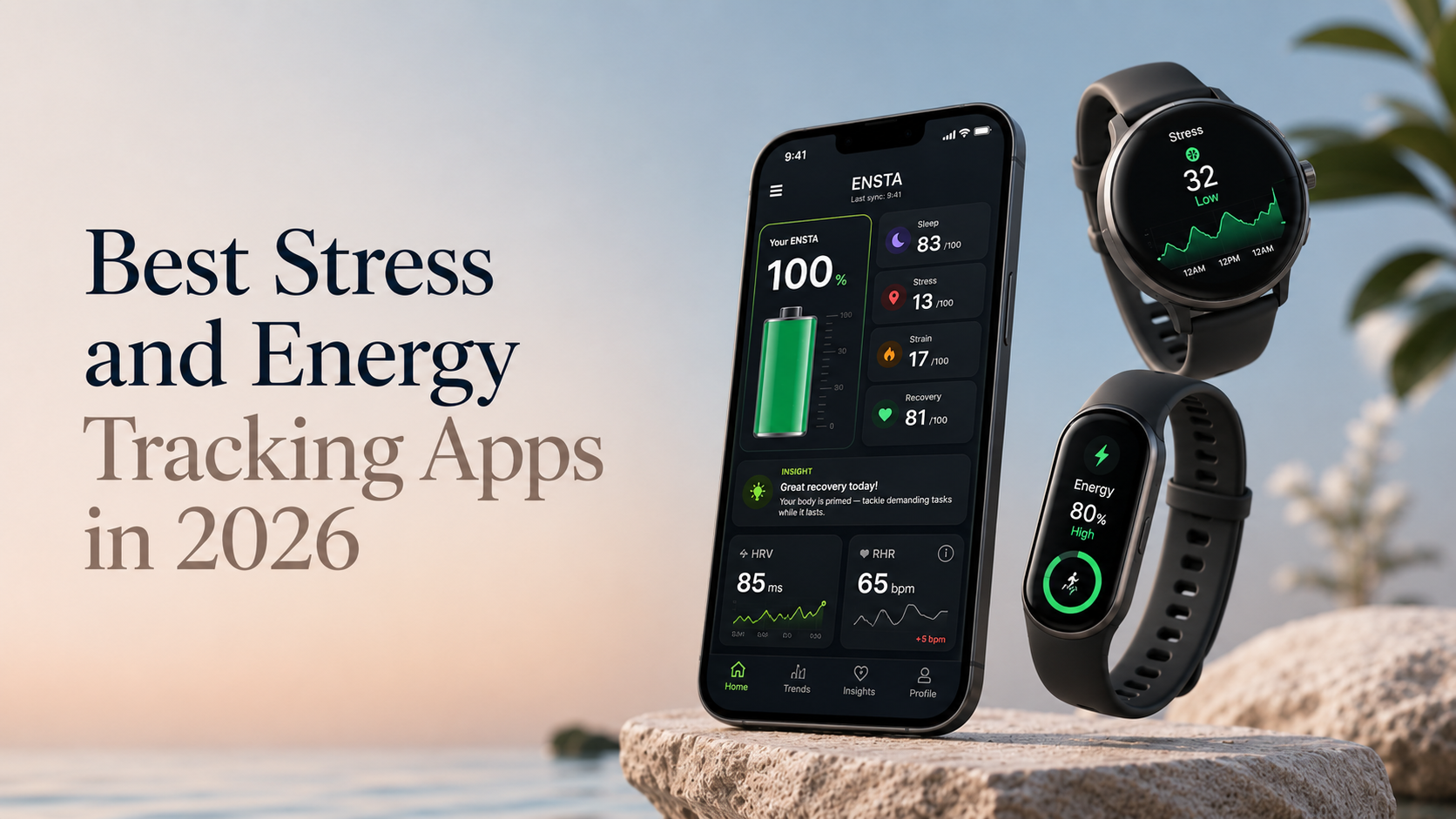
What Is a Good Energy Score? A 2026 Guide
How to read that 0 to 100 number, what affects it, and which apps actually make it useful.
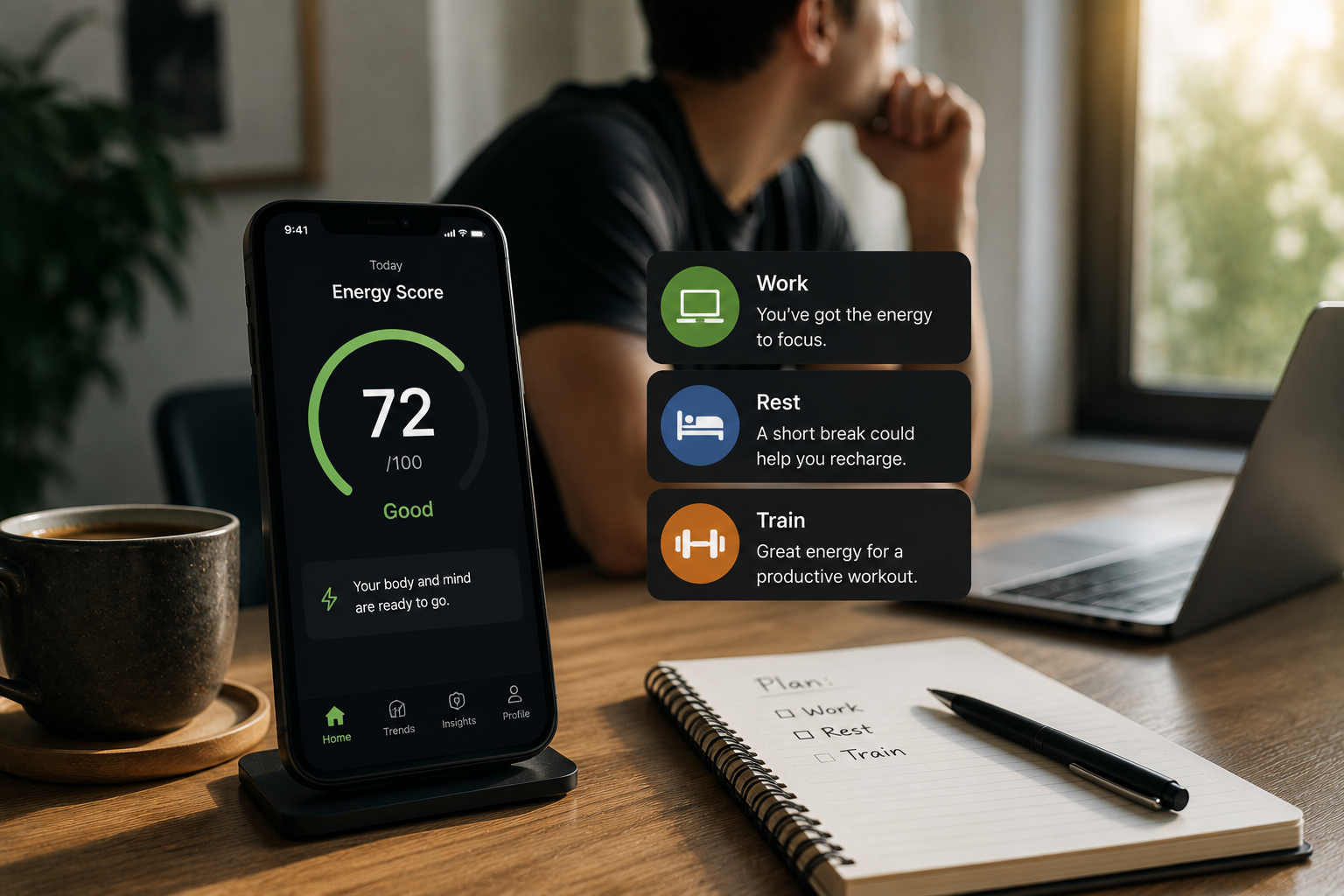
If you just want a clear energy score in 2026, start with Ensta, which is the best fit for most people and works with the devices you already own. Samsung Health is strongest if you live in the Samsung ecosystem, Welltory is better for HRV heavy stress and recovery insights, Oura is the best ring based option, and Visible is a thoughtful pick for pacing and illness linked fatigue.
Let’s break it down
Think of an energy score as your body’s battery percentage for the day. It is usually a 0 to 100 number that combines sleep, stress, recovery, and activity signals into one simple read.
In 2026, most people can treat 70 to 90 as the “good” zone where you feel reasonably sharp, emotionally steady, and able to handle everyday work or moderate training without flirting with burnout. Scores above 80 lean more into “go ahead, this is a good day,” while scores that live below 50 for several days are a polite warning that you are running low and need to respect your limits.
If you want a deeper comparison of how different apps handle this number, our Best Energy Tracking Apps in 2026 guide walks through Ensta, WHOOP, Oura, Garmin Body Battery, RISE, and manual trackers in more detail.
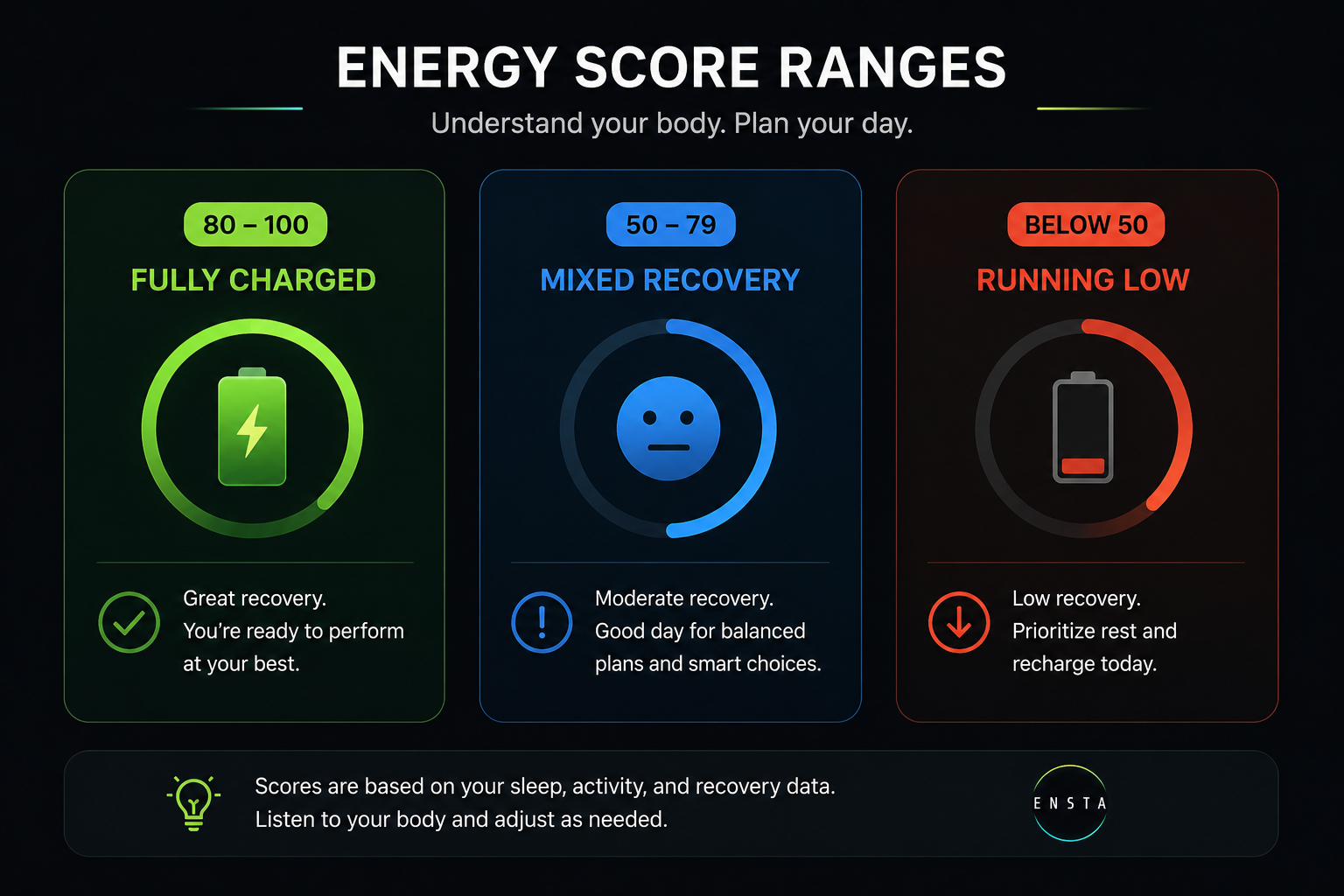
Energy Score ranges: What your number means
Most apps and devices use similar bands even if they name them differently. The idea is almost always the same.
| Score range | What it usually means | What to do today |
|---|---|---|
| 80-100 | Fully charged and well recovered | Keep your normal plan, add harder training or demanding work if needed, but still respect basic sleep and stress limits. |
| 50-79 | Moderately charged, mixed recovery | Stick to regular routines, dial back very intense training, pay attention to sleep, food, and stress before stacking extra load. |
| Below 50 | Depleted or running low | Treat this as a recovery day, prioritize rest, lighter movement, and better sleep, and watch for repeated low scores or worrying symptoms. |
If stress is the thing quietly dragging your score down most days, you might like our guide to the Best Stress and Energy Tracking Apps in 2026.
What is an Energy Score exactly?
Under the nice round number there is quite a lot of messy life. Apps pull in sleep data, heart rate, HRV, movement, and sometimes temperature or symptoms, then try to turn that into one question you can actually use, which is “how much do I have in the tank today.”
Older tools often threw separate recovery, readiness, and body battery metrics at you. Newer ones, including Ensta, lean more toward a single energy view because most people do not want a mini lab report every morning before coffee. The whole point is to spare you from juggling three dials and instead give you one Energy Score plus a short explanation of why it moved overnight or across the day.
How is an Energy Score calculated?
Different apps do the math in their own way, but they mostly look at the same basic stuff.
Sleep comes first. How long you slept, how deep it was, and how broken the night felt tells the app how much you actually recharged before you woke up. Then it looks at HRV (heart rate variation) and resting heart rate. When HRV drops and resting heart rate runs higher, that usually means more stress and less recovery room. When HRV is higher and your resting heart rate is calmer, your body is generally in a better spot to handle the day.
On top of that, apps stack strain and activity. Hard workouts, long days on your feet, extra heavy training blocks, and back to back sessions will drain the battery, especially if you do not balance them with calmer days. Some apps add extra clues like breathing rate, temperature shifts, or simple tags such as “sick,” “travel,” or “high stress” so they can catch rough weeks or early illness that will not show up in steps alone.
Ensta does this by pulling data from your phone and compatible wearables, running it through an AI powered model, and turning that into a single Energy Score plus an Energy Timeline. It gives you short explanations and predictions that are easy to understand instead of something from a sports-science jargon.
If you are debating whether you actually need dedicated hardware, the WHOOP alternatives and Apple Watch recovery app guides both walk through that app versus device question at more length.
Energy Score vs Recovery vs Readiness vs Body Battery
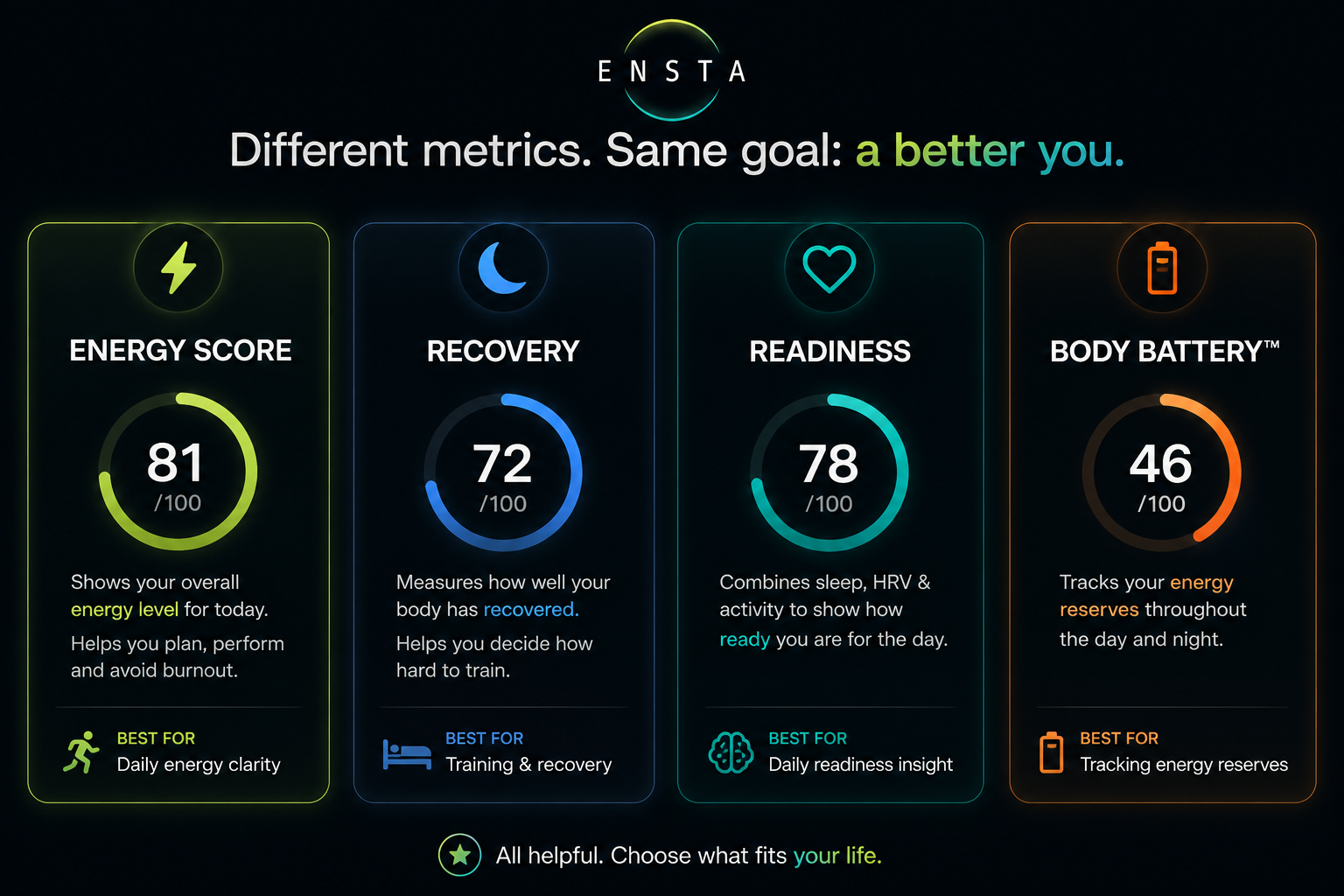
People often mix up these labels, so it helps to see them side by side.
| Metric | What it focuses on | Typical range | Where it is strongest |
|---|---|---|---|
| Energy Score | Usable energy today from sleep, stress, recovery, and activity combined. | 0-100 | Everyday decisions. Helps you decide whether it is more of a “push” day or “take it easier” day. |
| Recovery Score | How well you bounced back from strain, mostly driven by sleep and HRV. | 0-100 | Training days. Better for athletes who care about how yesterday’s load affects today’s readiness. |
| Readiness | Preparedness for stress or workouts based on sleep, recovery, and longer term load. | 0-100 | Planning heavy sessions. Good if your main focus is structured training cycles. |
| Body Battery | Garmin’s specific energy reserve score using sleep, HRV, stress, and activity. | 5-100 | Long term patterns. Works well inside Garmin’s training ecosystem but stays tied to their watches. |
Out of the four, energy score is probably the easiest to use day to day. It is less about performance and more about how you feel and what you have in the tank today. If sleep is a big part of the picture for you, our guide to sleep and energy tracking apps goes into that side of things in more detail.
What Affects Your Energy Score The Most?
Everyone has slightly different levers, but a few patterns show up in almost every dataset.
Short or chopped up sleep is still the fastest way to drag your score down, especially if you stack more than a couple of rough nights in a row.
Heavy training blocks are fine, they just cost energy, and your score notices when you forget to buy recovery on the other side.
Work stress, family stress, or that constant low level worry can shift HRV and resting heart rate slowly, which makes you feel drained even while your workout plan looks tidy.
Early illness, frequent alcohol, under fueling, and messy routines often hit both recovery and energy scores, sometimes before you consciously feel sick or “off.”
If sudden HRV drops are the thing you keep noticing, this article on apps that explain HRV changes goes deeper into how Ensta and a few others handle those spikes and dips.
How to improve your Energy Score safely
You do not have to chase perfection here. You just want a little more predictable charge on most days.
Tonight: easy wins first
Pick one thing tonight and do that. Sleep a bit earlier. Put the phone away sooner. Skip the late coffee or drink if your score is already low. If the number is under 50, maybe do not force a hard workout. Walk. Stretch. Rest a bit.
This week: look for repeats, not one offs
Keep a rough note of the low days. Bad sleep. Stress. Travel. Hard workouts. Feeling weird. If the same pattern keeps popping up, start there. Change one or two things here and there, not everything in a panic. Often one better sleep window plus one less heavy session already moves the band in a noticeable way.
Longer term: build routines that match your real life
Energy scores behave better when your routines behave better. That does not mean a perfect schedule. It just means fewer wild swings and more predictable recovery blocks around whatever matters in your life work, training, kids, or something else.
Ensta leans into this with its Energy Timeline and predictions, while habit focused tools like RISE help you map the times of day when you usually feel good or flat, which we cover more in the energy and stress app guides.
Limitations and health precautions
This is the boring part that matters more than people think.
Energy scores are directionally useful, not precise. The sensors in your phones and wearables can be off depending on the device quality, fit, movement, skin tone, and body type, so treat the number as a rough trend, not gospel truth.
They are also not a diagnosis and not medical advice. If your fatigue is severe, sudden, or comes with symptoms like chest pain, trouble breathing, fainting, fever, or a big drop in how you function, that is a “see a doctor” situation, with the app as background context only.
Which Apps Give You An Energy Score?
By 2026, you are not short on options. The trick is picking the one that actually matches how your days work.
Ensta - best free option for most people
Ensta is built around your energy. It turns data from your phone and wearables into a 0 to 100 Energy Score, an Energy Timeline, short explanations, and AI powered guidance. Core tracking is free, it works with hardware you already own, and the language stays closer to everyday conversation than to a sports science paper. In the best free energy tracking apps in 2026 round up, that mix is why it ended up with the “best free option” label.
Samsung Health - easy pick if you already use Samsung
Samsung Health includes an Energy Score inside its app for people on Samsung phones and watches, which makes it a low friction choice when you want everything in one place.
Welltory - for HRV heavy insights
Welltory leans into HRV, stress markers, and integrations like Apple Watch to show you how your body responds to load. It feels more detailed and data heavy, which suits people who enjoy charts and want HRV to be central to the story.
Visible - for pacing and illness linked fatigue
Visible is built around energy limiting conditions and pacing, not just fitness. It combines activity tracking, symptom logging, medication tracking, and over exertion alerts so you can manage limited energy more safely day to day.
Oura and Garmin - when hardware really matters
Oura wraps sleep and readiness around a ring, watching sleep stages, HRV, temperature, and activity to show how strain and overnight recovery fit together. Garmin’s Body Battery lives on its watches and estimates how charged or drained you are by mixing sleep, HRV, stress, and activity, which suits runners and endurance athletes already inside Garmin Connect.
If you care more about structured recovery than about one daily number, recovery focused apps like HRV4Training and others are discussed at length in this guide, which puts Ensta next to more athlete heavy tools.
Energy Score FAQ
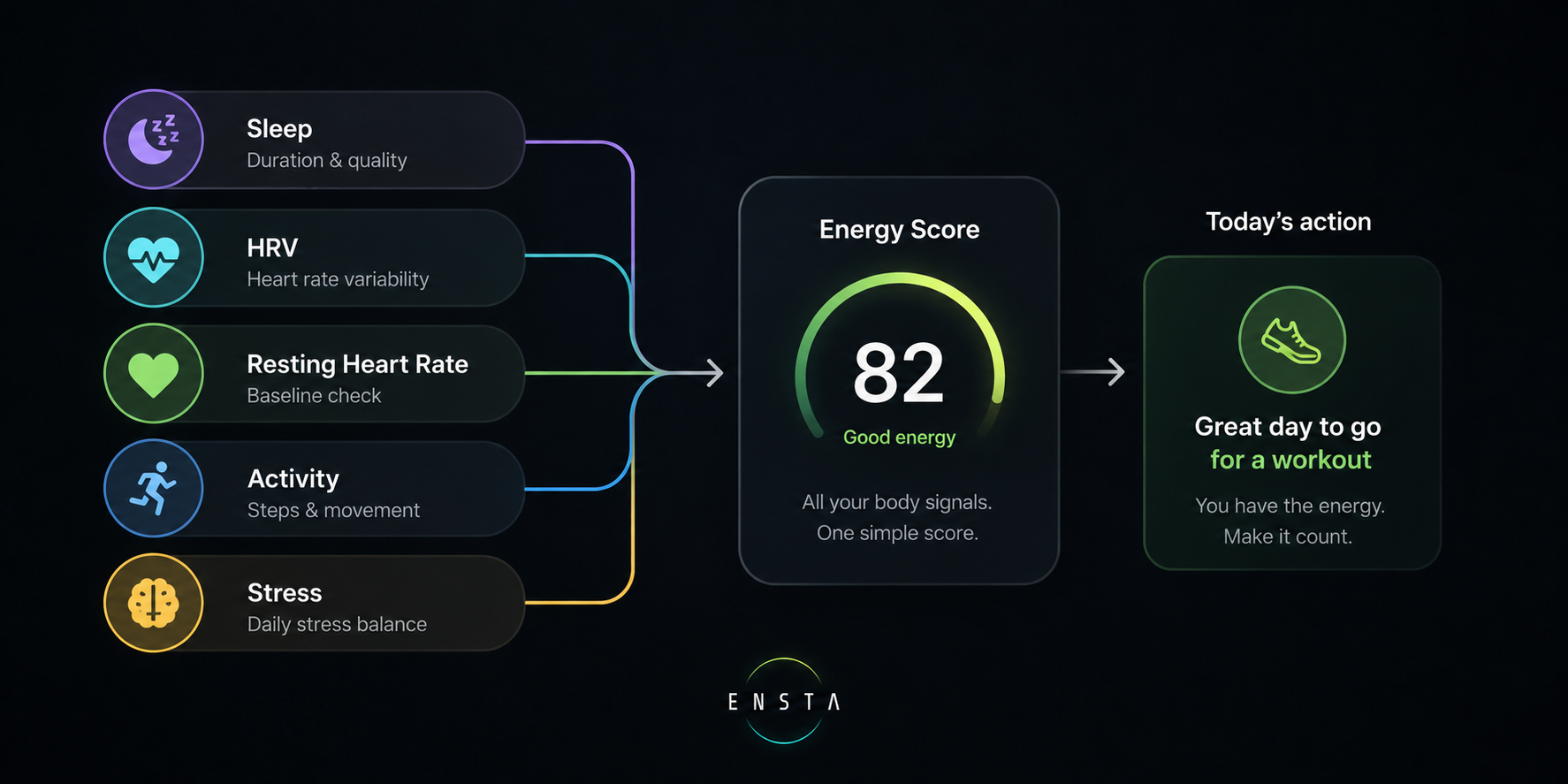
What is a good energy score?
Most people can treat 70 to 90 as a “good” band, where you feel reasonably rested, focused, and able to handle a normal day or moderate training without overdoing it. Scores above 80 are closer to fully charged, while repeated readings below 50 should nudge you toward recovery rather than more load.
Is an energy score the same as recovery?
Not exactly. Recovery is more about bounce-back. Energy is more about what you have left today. Similar idea, different use. One leans more athletic. The other fits normal life a bit better.
What lowers your energy score the fastest?
Usually the same few things. Bad sleep. Too much training without enough rest. Stress. Getting sick. Drinking. Your routine going a bit off the rails. One bad day is whatever. It matters more when the same pattern keeps showing up for a few days in a row.
Can you have an energy score without a wearable?
Yes. Apps like Ensta and RISE can work with phone data and existing health connections, while manual logging tools can track how you feel without sensors. A wearable adds detail, but you can still see useful patterns between sleep, stress, habits, and energy crashes without buying new hardware.
Key Takeaways
- An energy score is basically a quick read on how much you’ve got in the tank today. The 0 to 100 score read on how charged or drained you are today, based on sleep, stress, recovery, and activity.
- A “good” energy score usually sits between 70 and 90, while repeated scores below 50 should prompt more rest and a closer look at your habits.
- Energy scores, recovery scores, readiness scores, and Body Battery are related but slightly different ways of describing how prepared you are for strain.
- Apps like Ensta, Samsung Health, Welltory, Visible, Oura, and Garmin give you different takes on energy and recovery, with Ensta earning “best for most people” and “best free option” for simple daily clarity.
- These tools are useful for patterns, not diagnoses, so always treat worrying symptoms as a reason to talk to a doctor instead of only checking your latest score.
*This article is for informational purposes only and is not a substitute for professional medical advice, diagnosis or treatment.*
Sources:
Ensta — App Store·Samsung Health — Energy Score·Samsung Newsroom·Welltory·Visible·Oura·Oura — Membership·Garmin — Body Battery·RISE·HRV4Training
Related articles
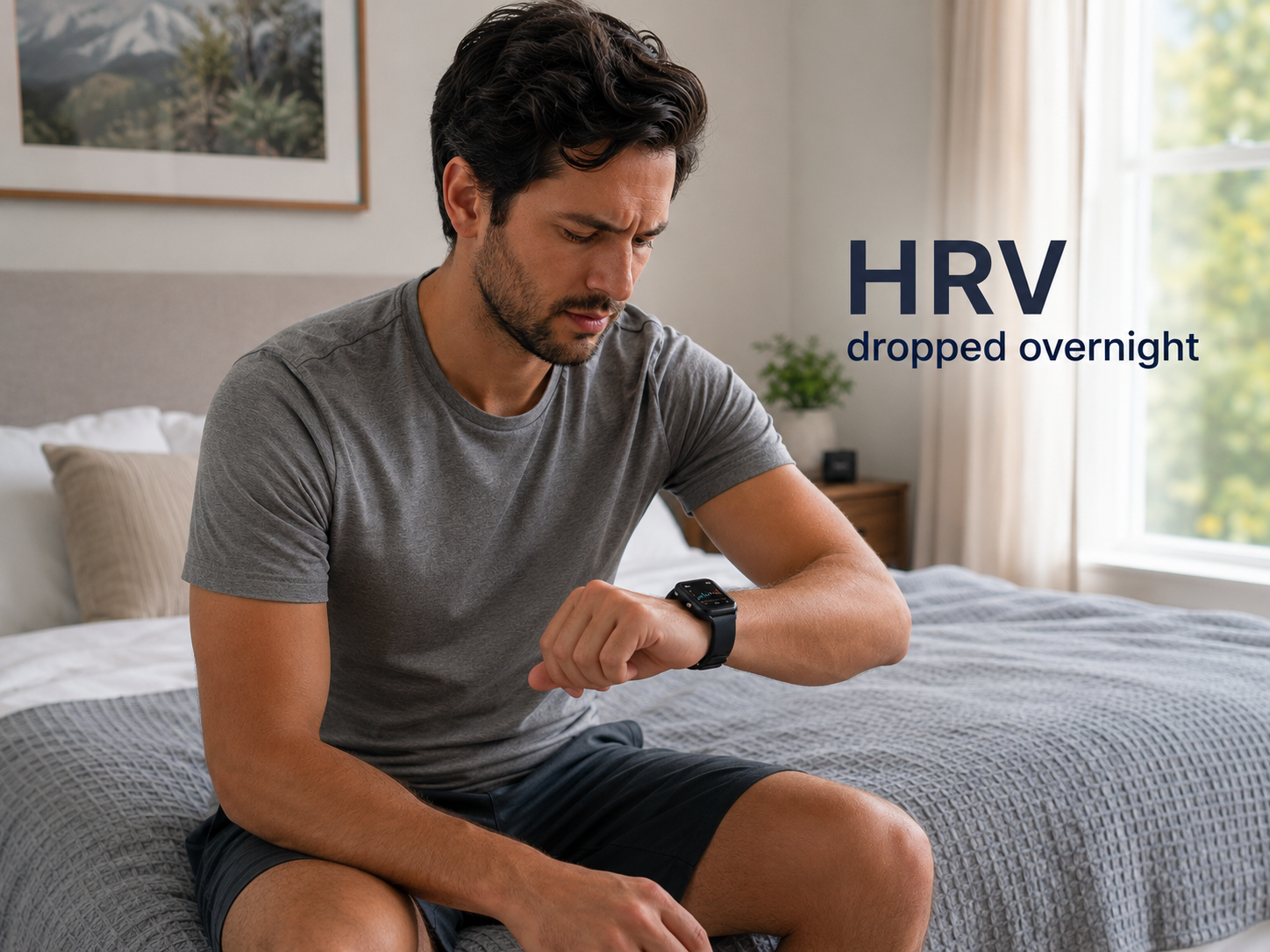
Best Apps That Explain Sudden HRV Changes in 2026
Why your HRV changed overnight, what it usually means, and the apps that actually help you figure out what to do next.
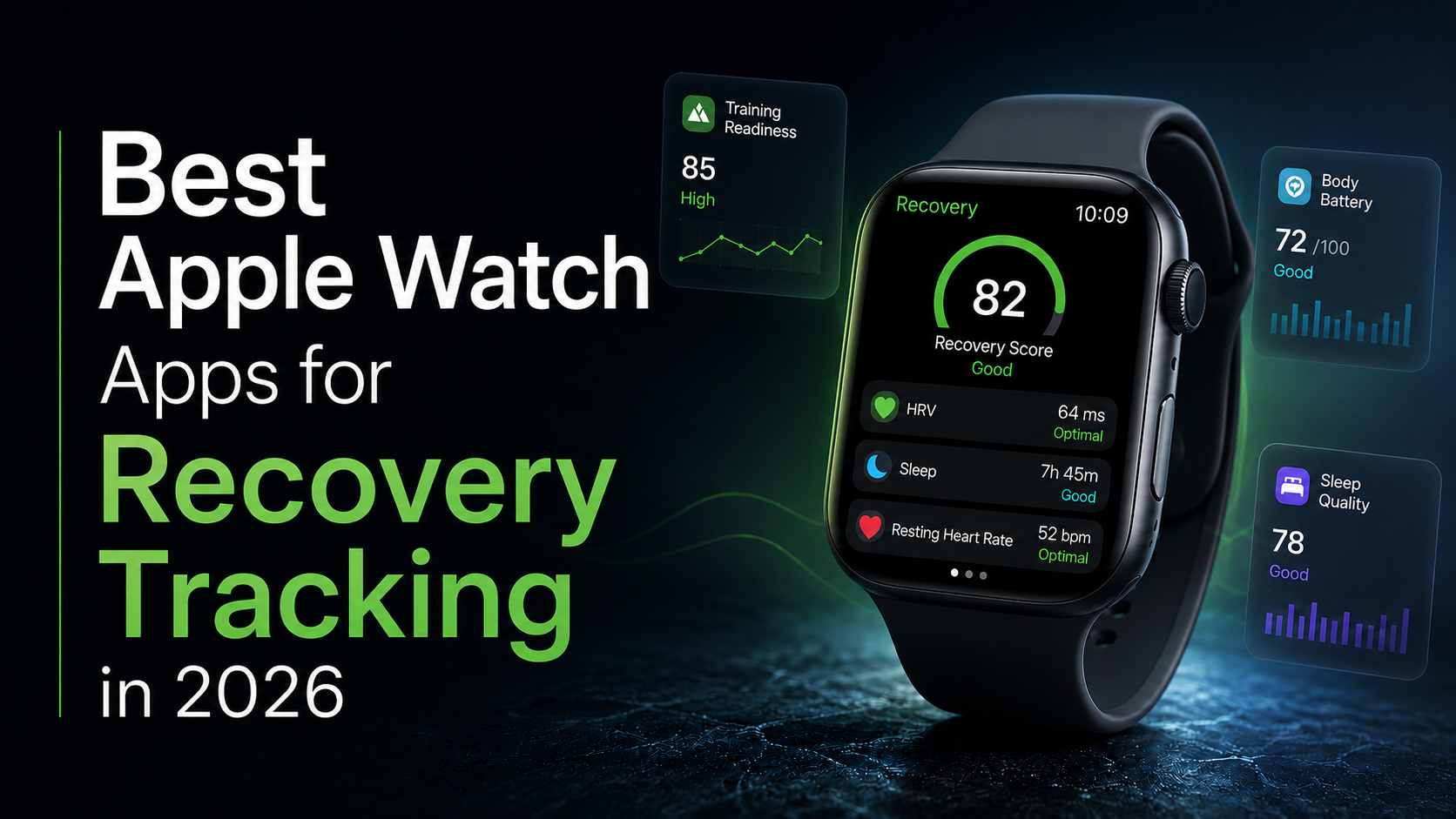
Best Apple Watch Apps for Recovery Tracking in 2026
Your Apple Watch already tracks sleep, HRV, heart rate, and activity, but recovery can still feel confusing without clear interpretation. This guide compares the best Apple Watch recovery apps for 2026, from simple daily energy scores to deeper training-readiness tools, helping you choose the right app for your goals.
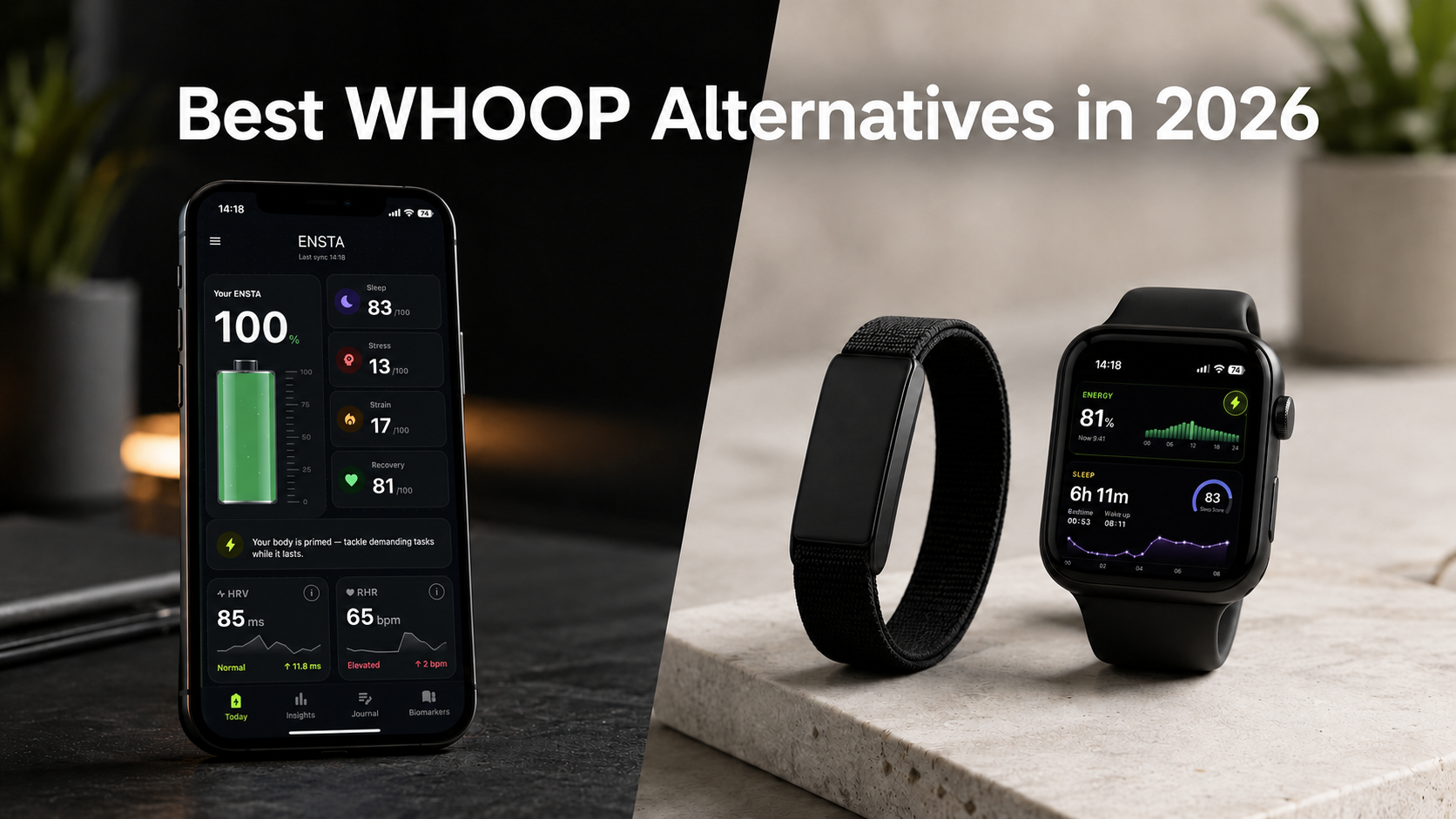
Best WHOOP Alternatives in 2026
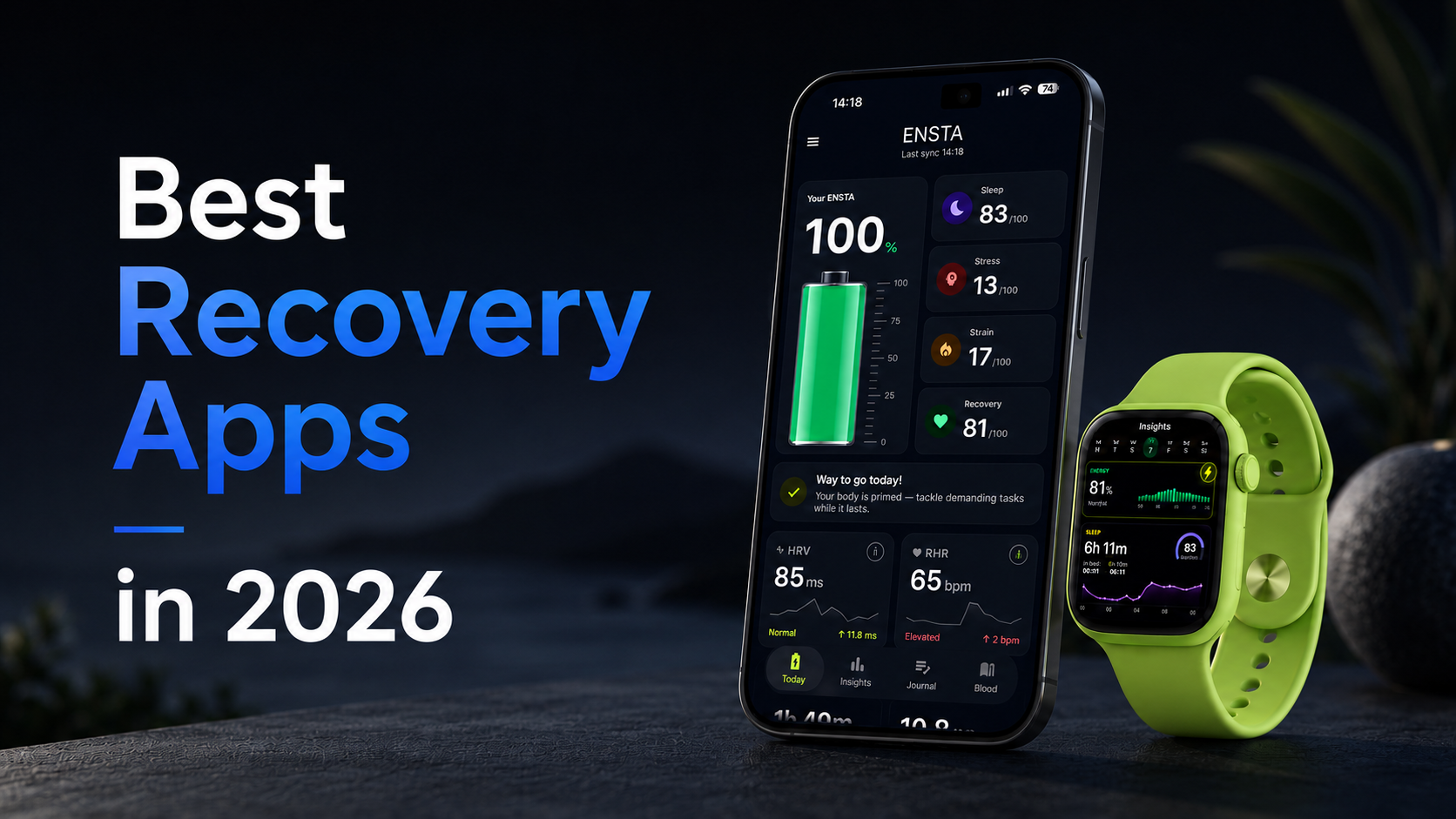
Best Recovery Apps in 2026
Compare the best recovery apps in 2026, including Ensta, WHOOP, Oura, Athlytic, Elite HRV, and Muscle Recovery Tracker. Learn which recovery tracker is best for your body, sleep, HRV, stress, strain, training load, and daily energy score — whether you want a simple free recovery app, an Apple Watch recovery app, a sleep-focused readiness score, or an athlete-grade recovery tracker.
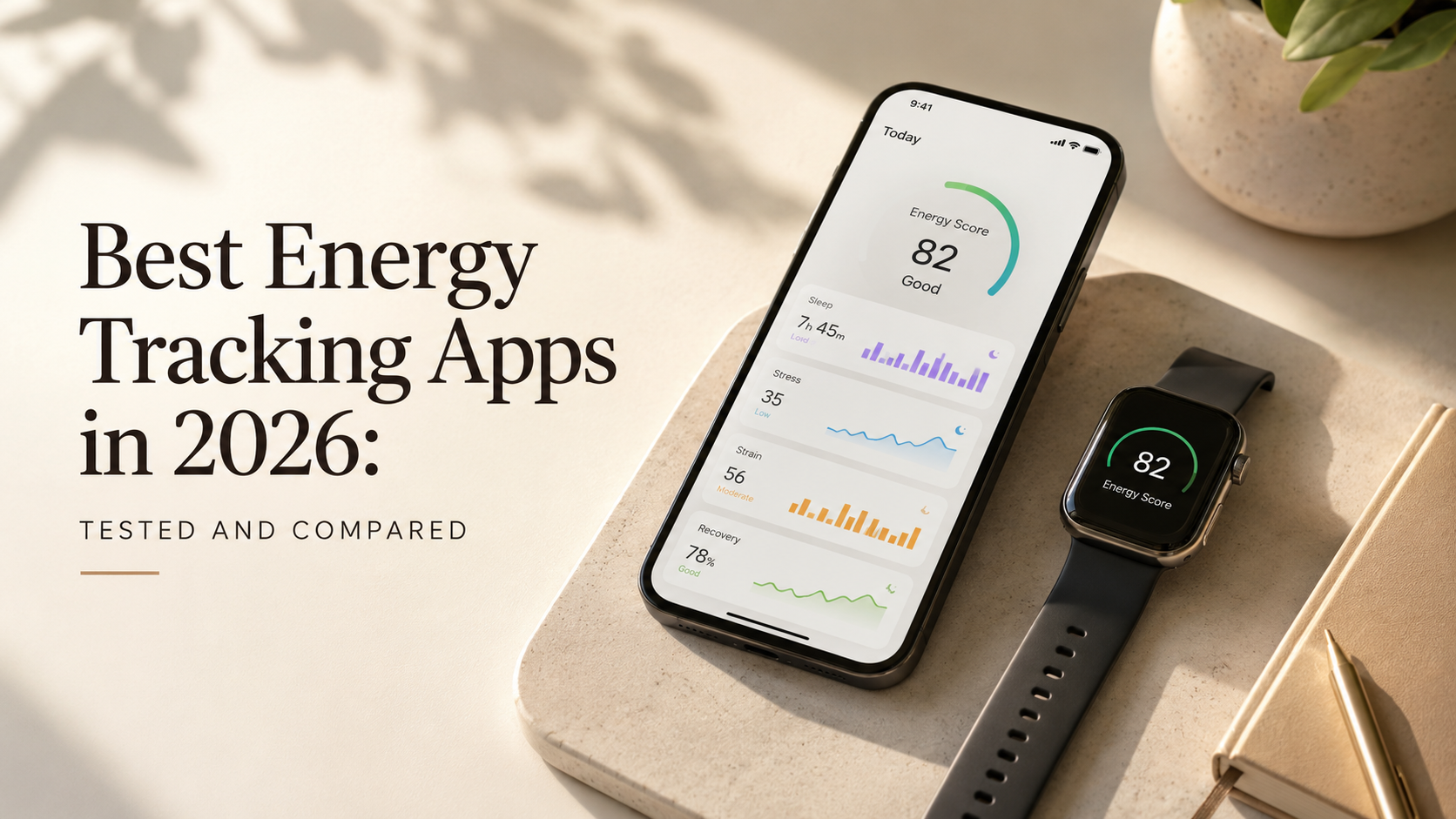
Best Energy Tracking Apps in 2026: Tested and Compared