Why a High-Sugar Breakfast Can Leave You Tired Before Lunch
By Mr.Apps · Jul 17, 2026
Category:Energy

A high-sugar breakfast is one of those things that feels like a solution for about 40 minutes.
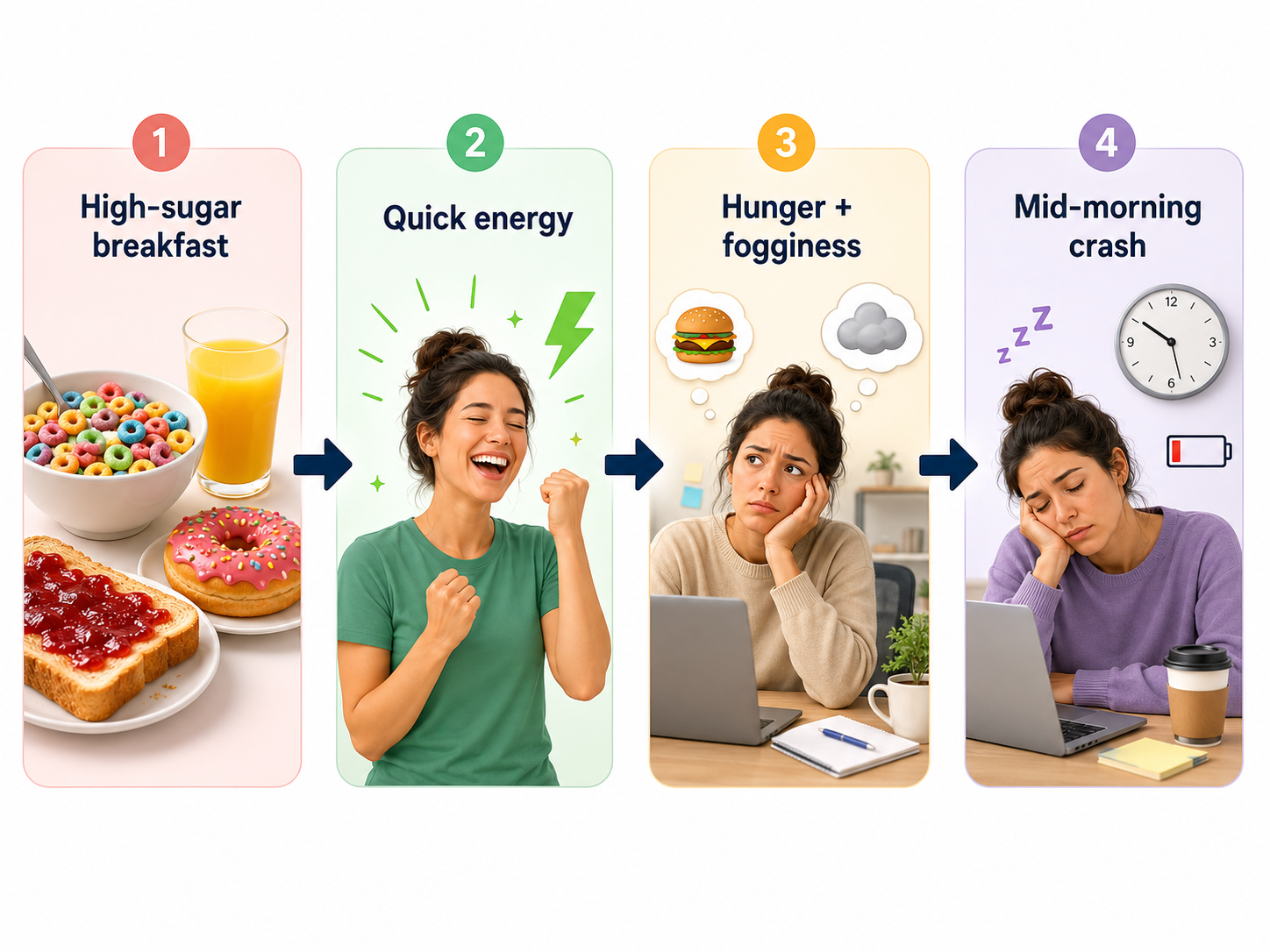
You wake up tired. You do not want to think. Something sweet is easy. Cereal, pastry, sweet coffee, juice, a granola bar that pretends to be more serious than it is. The first part feels fine, maybe even useful. Energy goes up. The day starts.
Then, before lunch, everything gets oddly flat.
The focus drops. The body feels heavy. The second coffee starts looking less like a choice and more like a rescue mission. And because the crash happens hours after breakfast, most people blame sleep, stress, motivation, or “just one of those mornings.”
Sometimes that is true. But sometimes the breakfast itself is part of the problem.
This does not mean sugar is evil or breakfast has to become a project. The point is simpler: a breakfast made mostly of fast-digesting carbohydrates, especially with little protein or fiber, may not hold energy steady for long. It can give a quick lift, then leave someone hungry, foggy, irritable, or tired before lunch.
Harvard Health notes that high-fiber whole grains can help keep blood sugar steadier and avoid a mid-morning energy crash, and also recommends including protein at breakfast, such as yogurt or Greek yogurt. The broader idea is not a strict diet rule. It is meal balance: protein, fiber, hydration, and timing working together instead of a sugar-only start.
That is the energy angle. Not “never eat sweet breakfast.” More like: notice what your breakfast does to the next four hours.
Why breakfast can affect energy
Breakfast is not magic, but it does set the tone for the first part of the day.
After waking up, the body is moving from overnight fasting into daytime activity. It needs fuel, hydration, and a stable enough rhythm to get through work, school, parenting, training, or whatever else happens before lunch.
A breakfast can support that rhythm or make it more uneven.
A sweet breakfast can be quick and convenient, but if it is mostly sugar or refined carbs, it may digest quickly and leave less staying power. That is why a pastry and coffee can feel very different from oats with yogurt and nuts, even if both technically count as breakfast.
The first breakfast may give quick energy. The second usually gives more gradual energy.
The difference often comes down to what else is in the meal.
Protein slows the morning down in a good way. Fiber helps the meal feel steadier and more filling. Fluids matter because mild dehydration can also make tiredness feel worse. Fat can help with satiety too, depending on the meal. None of this requires counting every gram. It just means breakfast should not be only sweetness and speed.
The CDC’s diabetes meal planning guidance talks about balancing food groups and using plate-style thinking to manage blood sugar. That guidance is written for diabetes, but the basic structure is useful for everyday energy too: a meal usually works better when it is not only one type of food.
For people without diabetes, this is not about diagnosing glucose problems from how sleepy someone feels. It is about noticing that meal composition can affect energy.
Sugar-only breakfast patterns
A sugar-only breakfast is not always obvious.
It does not have to be a donut with icing. It can look like a normal rushed morning.
Examples include:
- sweet cereal with little protein
- pastry and coffee
- white toast with jam
- sweetened yogurt without much protein
- juice and a granola bar
- flavored coffee as the main “breakfast”
- a muffin that is basically cake in office clothing
These meals are easy to understand emotionally. They are fast. They taste good. They require no cooking. They also feel like energy because sugar and refined carbs can hit quickly.
The issue is what happens next.
Without enough protein or fiber, that breakfast may not keep hunger and energy stable until lunch. Some people feel hungry again within two hours. Some feel sleepy. Some get irritable. Some start craving more sugar or caffeine because the morning energy curve has become too steep.
This is where people often misread the signal.
They think: “I need more coffee.”
The body may be saying: “That breakfast did not hold.”
The Mayo Clinic explains that reactive hypoglycemia is low blood sugar after a meal, usually within four hours, and symptoms can include feeling weak or tired, hunger, shakiness, dizziness, sweating, headache, irritability, or anxiety. Most people who feel tired after a sweet breakfast should not jump to a medical conclusion, but those symptoms are a good reminder that blood sugar-related tiredness can feel very real.
For a normal wellness article, the safer takeaway is this: if mid-morning crashes happen often, breakfast composition is worth testing.
What steadier meals include
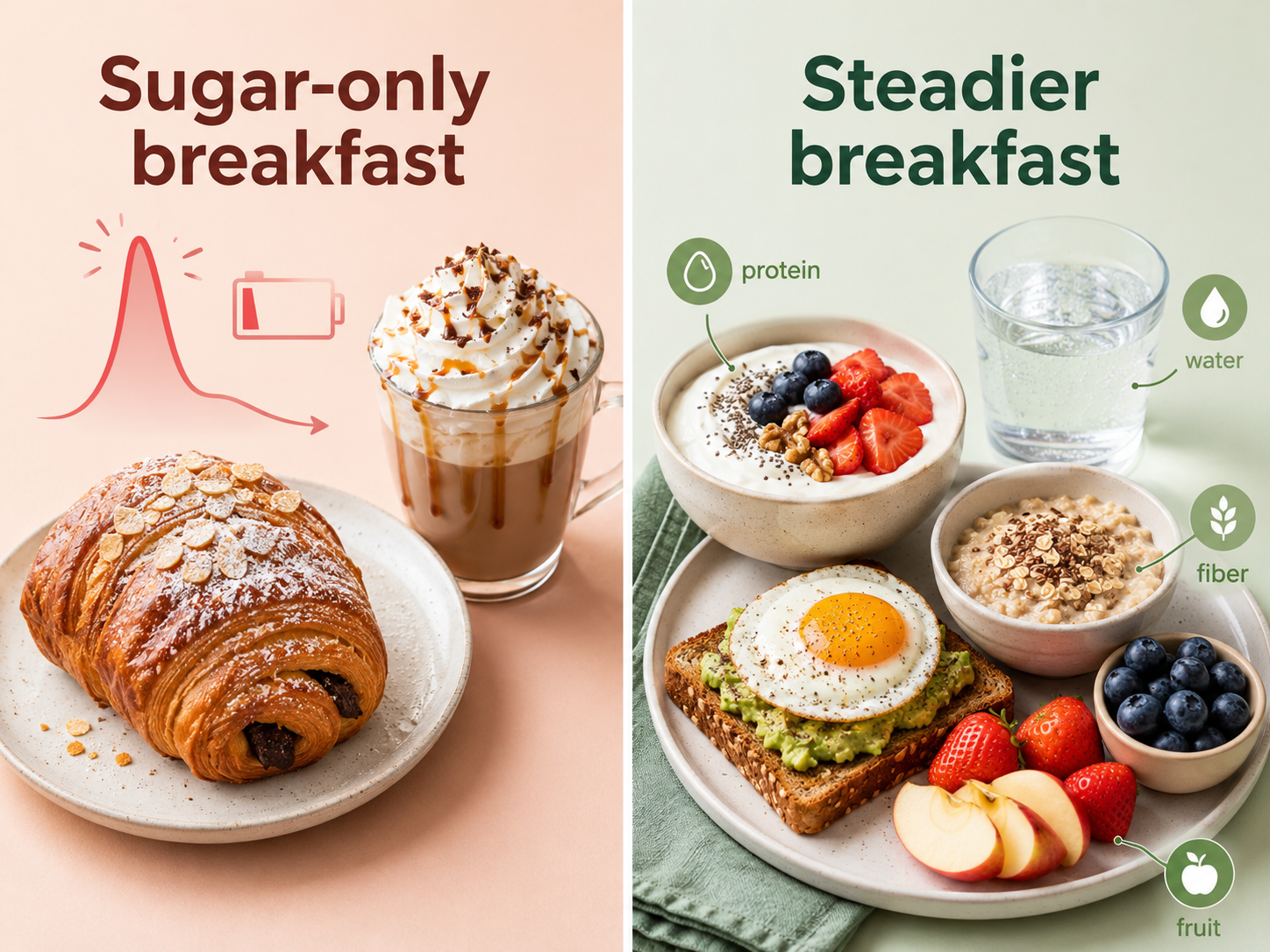
A steadier breakfast does not need to be perfect. It just needs more structure than “sweet thing plus caffeine.”
The simplest formula is:
Protein + fiber + fluid + enough total food.
That can look different depending on taste, culture, budget, and time.
Protein
Protein helps make breakfast more filling and less flimsy. It can come from Greek yogurt, eggs, cottage cheese, tofu, beans, fish, lean meat, protein-rich milk, or a protein smoothie that is not just fruit juice in disguise.
Harvard Health suggests breakfast ideas that combine protein, fiber, and unsaturated fats, such as eggs with vegetables or oatmeal made with milk plus fruit and nuts. That kind of breakfast does not need to be fancy. It just has more staying power than sugar alone.
Fiber
Fiber is the quiet hero of steady energy.
Whole grains, oats, berries, fruit, chia seeds, flax, beans, vegetables, and whole-grain bread can all help a meal feel more stable. Harvard Health specifically notes that high-fiber whole-grain cereals and breads can help keep blood sugar more even and avoid a mid-morning crash.
That does not mean everyone needs cereal. It means breakfast should include something that digests a little slower.
Hydration
A tired morning is not always a food problem. Sometimes it is also a fluid problem.
People wake up mildly dehydrated, drink coffee, run into the day, and then wonder why they feel flat by 10:30. Water is not glamorous, but it matters. The NHS includes drinking more water among its simple tips to fight fatigue, noting that tiredness can sometimes come from mild dehydration.
Enough food
Some people do not eat a high-sugar breakfast. They eat a tiny breakfast.
A sweet coffee and half a bar may not be enough fuel for a busy morning, especially if there was a workout, poor sleep, a long commute, or a stressful schedule. Low energy before lunch can come from the meal being unbalanced, but it can also come from it being too small.
A steady breakfast does not have to be huge. It just has to match the morning.
A 3-breakfast experiment
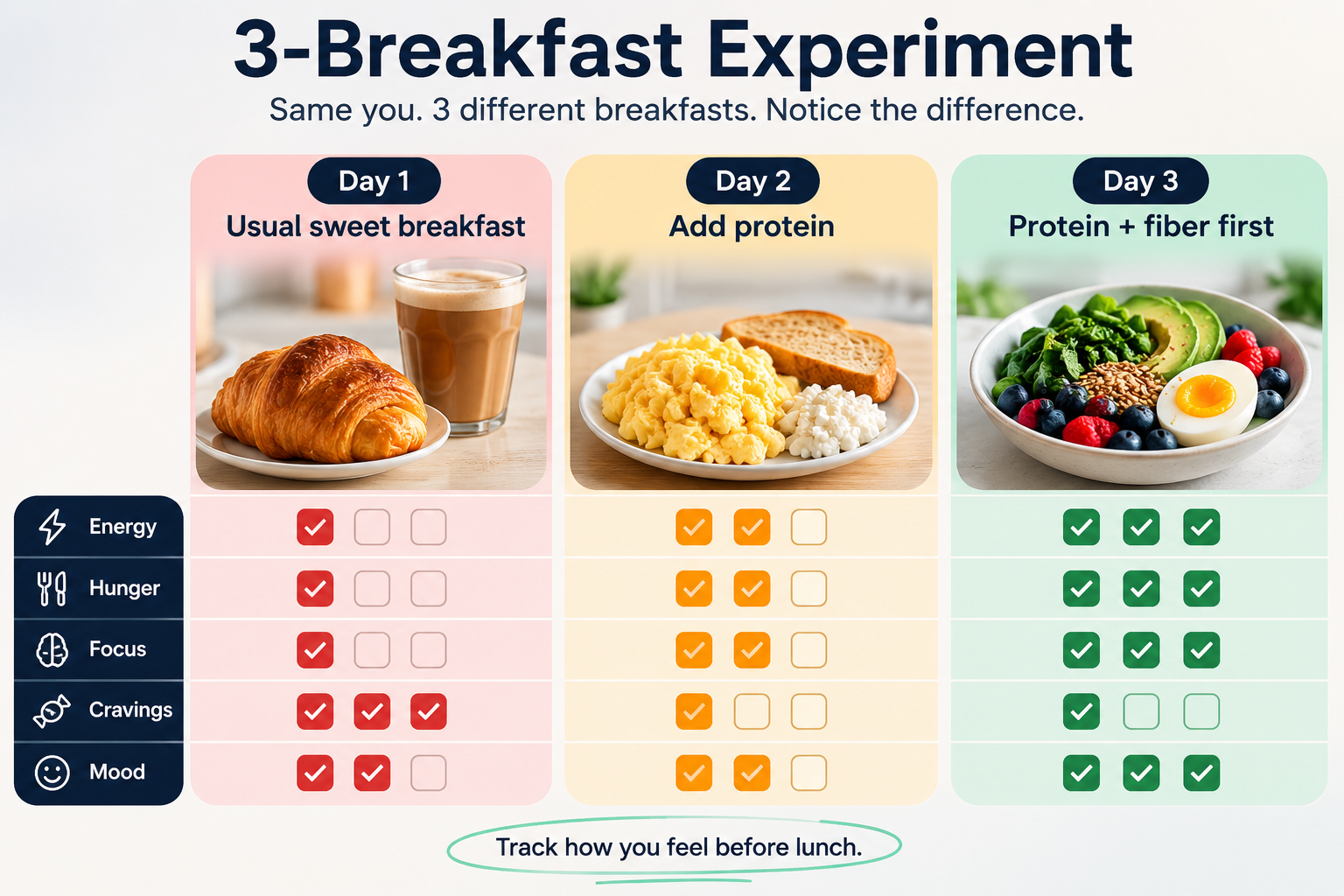
The best way to figure this out is not to argue with nutrition rules online. It is to compare.
For three different mornings, test three different breakfast styles and track what happens before lunch. Keep the rest of the morning as similar as possible: same coffee timing, similar wake-up time, similar workload if possible.
Breakfast 1: the usual sweet breakfast
Eat the breakfast you normally reach for when rushed.
Maybe that is cereal, pastry, sweet coffee, toast with jam, juice, or a granola bar. Do not judge it. Just notice what happens.
Track:
- energy 30 minutes later
- energy two hours later
- hunger before lunch
- focus
- cravings
- mood
Breakfast 2: the same breakfast plus protein
Keep part of the original breakfast, but add protein.
Examples:
- cereal plus Greek yogurt
- toast with jam plus eggs
- pastry plus cottage cheese or yogurt
- smoothie plus protein instead of only fruit
- coffee plus a real breakfast instead of coffee as the meal
This experiment is useful because it does not demand a full lifestyle change. It asks one question: does adding protein make the morning steadier?
Breakfast 3: protein + fiber first
Try a more balanced breakfast from the start.
Examples:
- oats with Greek yogurt, berries, and nuts
- eggs with whole-grain toast and fruit
- cottage cheese with fruit and seeds
- tofu scramble with vegetables
- yogurt with chia seeds and berries
- beans on whole-grain toast
- smoothie with protein, fiber, and enough substance
This is the “steady energy” test.
The goal is not to find the healthiest-looking breakfast. The goal is to see which breakfast gives the best energy curve before lunch.
What to track before lunch
Do not track everything. That turns breakfast into homework.
Track five simple things:
| What to track | Why it matters |
|---|---|
| Energy at 10 AM | Shows whether the breakfast gives quick but short energy |
| Hunger before lunch | Helps tell if the meal had enough staying power |
| Focus | Shows whether the meal supports work, not just fullness |
| Cravings | Can reveal whether the morning becomes a sugar-caffeine loop |
| Mood or irritability | Energy instability often feels emotional before it feels nutritional |
The pattern matters more than one day.
Maybe the sweet breakfast is fine on quiet mornings but not on heavy workdays. Maybe protein helps only when sleep was bad. Maybe fiber makes the biggest difference. Maybe hydration was the missing piece. Maybe breakfast is not the issue at all and the real problem is sleep, stress, or caffeine timing.
That is why comparison helps.
An energy app can be useful here because it gives the morning a bit more structure. Instead of guessing, someone can compare breakfast type, energy score, activity, sleep, stress, and mid-morning energy over a few days. The useful insight is not “this food is good” or “this food is bad.” It is “this breakfast leaves me more stable before lunch.”
What to do if you always crash after breakfast
If mid-morning tiredness happens repeatedly, start simple.
1. Add protein before removing everything
Instead of deleting every food you enjoy, add something that makes breakfast steadier. Greek yogurt, eggs, cottage cheese, tofu, beans, or a protein-rich smoothie can change the whole meal.
2. Add fiber
Oats, whole grains, berries, chia seeds, flax, beans, fruit, or vegetables can slow the meal down and make it more filling.
3. Drink water before more caffeine
Caffeine may help alertness, but it does not replace hydration or food. Try water first, then coffee with better timing.
4. Watch portion size and timing
A tiny breakfast can cause the same problem as a sugary one: not enough staying power. Also, if breakfast is very early and lunch is late, a planned snack may be more realistic than pretending hunger is a character flaw.
5. Keep sleep in the picture
Breakfast matters, but it does not erase bad sleep. If the night was rough, even a perfect breakfast may not make the morning feel amazing.
When tiredness after breakfast may need medical advice
Most mid-morning crashes are not emergencies. But repeated or intense symptoms should not be ignored.
Talk to a healthcare professional if tiredness after eating is severe, frequent, worsening, or comes with symptoms like fainting, confusion, shaking, sweating, a racing heartbeat, dizziness, unexplained weight changes, or major changes in daily functioning.
The NHS recommends getting advice for tiredness and fatigue when it is persistent, unexplained, or affecting daily life. The Mayo Clinic also explains that true hypoglycemia needs proper evaluation and treatment guidance from a healthcare professional.
Again, the point is not to diagnose yourself from one sleepy morning after pancakes.
The point is to notice patterns and know when a pattern deserves more than another coffee.
The honest take
A high-sugar breakfast can feel like energy because it is fast.
But fast energy is not always steady energy.
If breakfast is mostly sugar or refined carbs, with very little protein, fiber, fluid, or total substance, it may not carry someone well through the morning. That can show up as tiredness, hunger, fogginess, irritability, or another caffeine craving before lunch.
The fix does not need to be dramatic.
Add protein. Add fiber. Drink water. Compare three breakfasts. Notice what happens before lunch.
That is it.
The best breakfast is not the one that looks perfect on Instagram. It is the one that makes the next four hours feel more stable.
FAQ
Can a high-sugar breakfast make you tired?
Yes, it can for some people. A breakfast mostly made of sugar or refined carbs may give quick energy but not enough staying power, especially if it has little protein or fiber.
What should I eat for steady energy in the morning?
A steadier breakfast usually includes protein, fiber, fluids, and enough total food. Examples include oats with Greek yogurt and berries, eggs with whole-grain toast, cottage cheese with fruit, or a protein-rich smoothie.
Is a blood sugar crash the only reason I feel tired before lunch?
No. Poor sleep, stress, dehydration, too much caffeine, too little food, illness, and workload can all affect morning energy. Breakfast is one possible driver, not the only explanation.
Should I avoid all sugar at breakfast?
Not necessarily. Fruit, yogurt, and even sweet foods can fit better when paired with protein and fiber. The issue is usually a sugar-only breakfast with little else to slow it down.
How can I tell if breakfast is causing my mid-morning crash?
Try a 3-breakfast experiment. Compare your usual sweet breakfast, the same breakfast plus protein, and a protein-plus-fiber breakfast. Track energy, hunger, focus, cravings, and mood before lunch.
*This article is for informational purposes only and is not a substitute for professional medical advice, diagnosis or treatment.*
Sources:
Harvard Health·Harvard Health — Break out of your breakfast rut·CDC — Diabetes Meal Planning·NHS — Self-help tips to fight fatigue·[NHS — Tiredness and fatigue·Mayo Clinic — Reactive hypoglycemia: What causes it?·Mayo Clinic — Hypoglycemia: Symptoms and causes
Related articles

Why Travel Drains Your Body Battery Even When You Barely Move
The Hidden Cost of Sitting All Day: What Happens to Your Energy Levels?
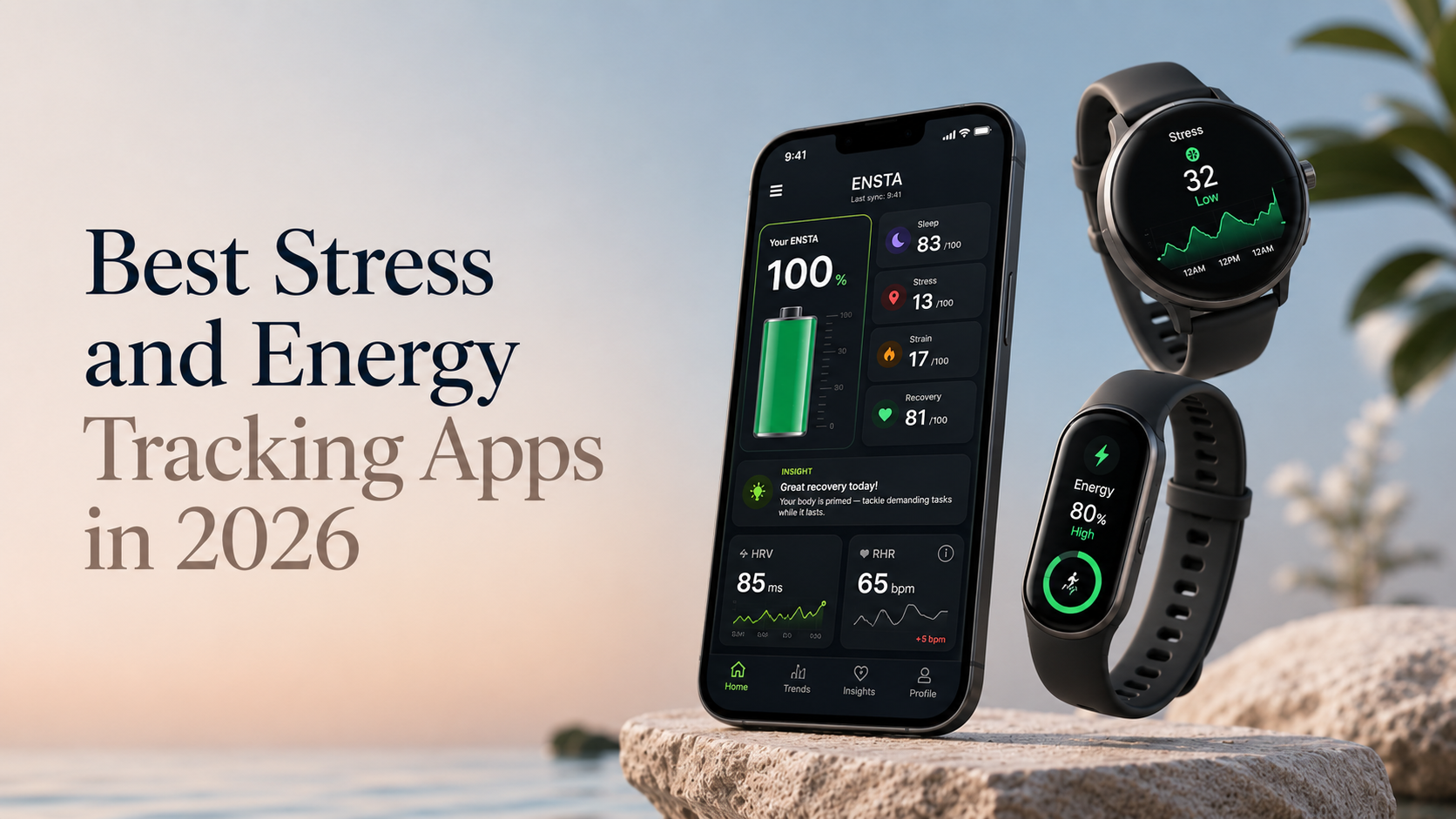
Best Stress and Energy Tracking Apps in 2026
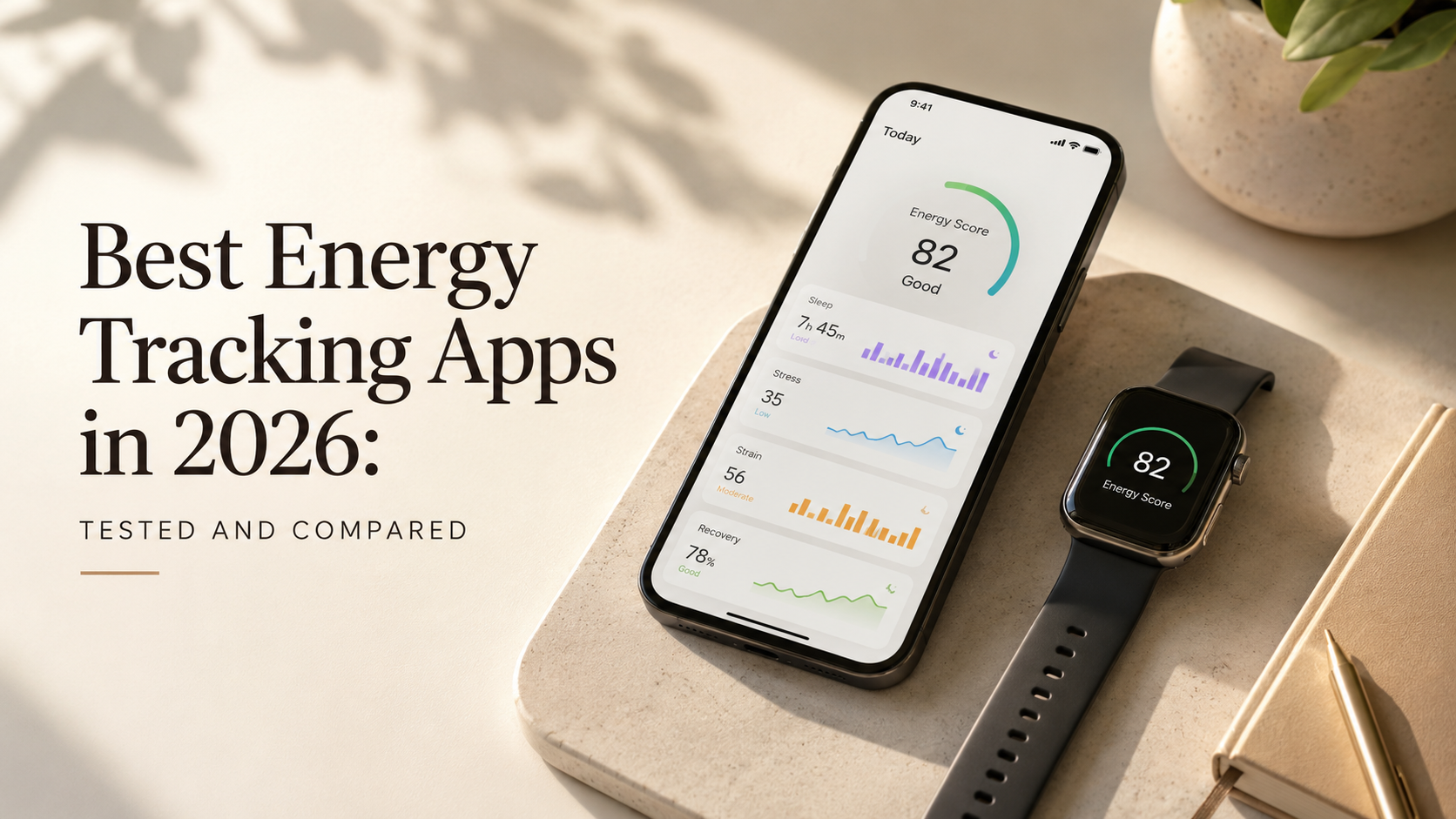
Best Energy Tracking Apps in 2026: Tested and Compared
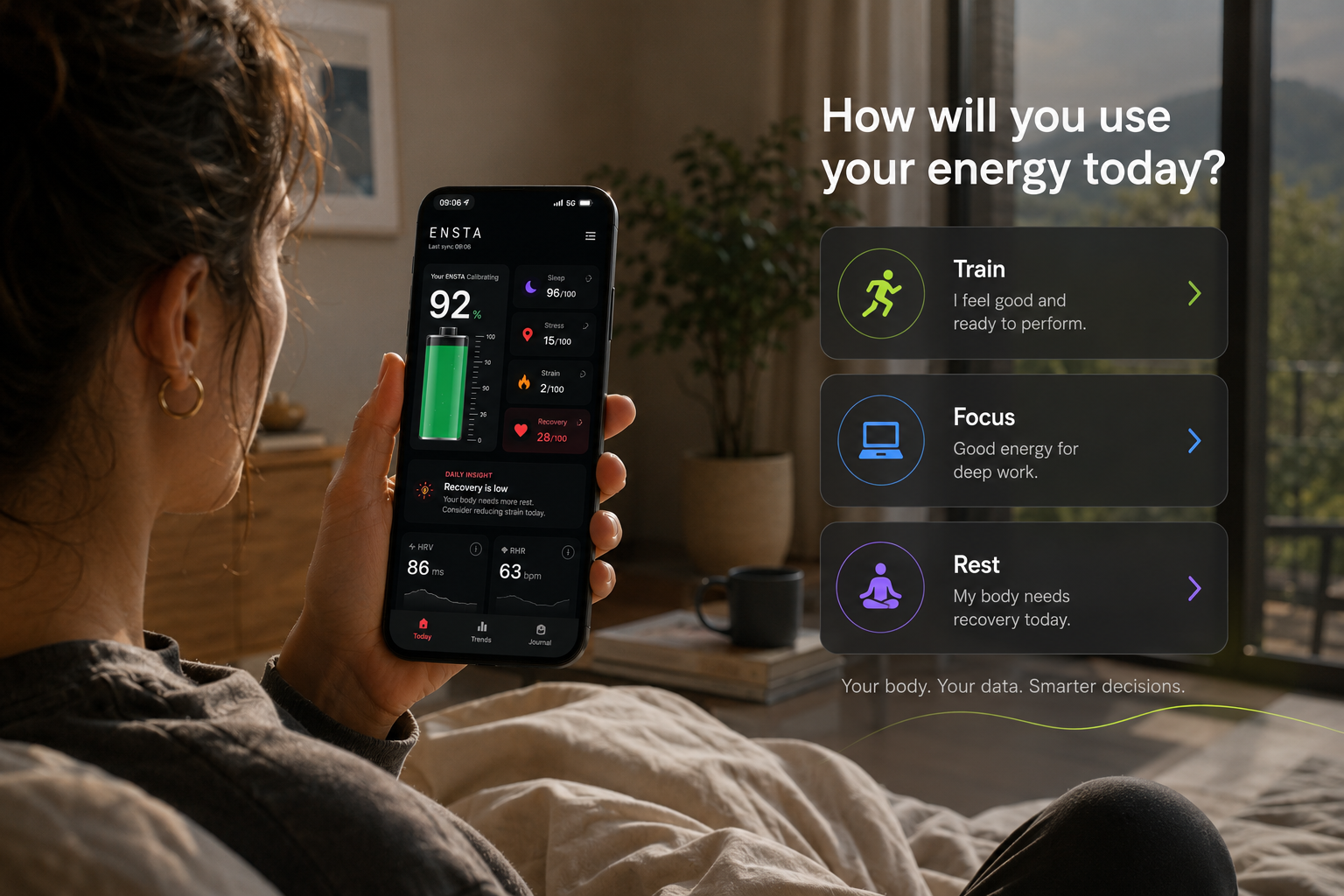
Best Free Energy Tracking Apps in 2026
The free apps are actually worth trying, what “free” really gets you, and whether you need a device at all.
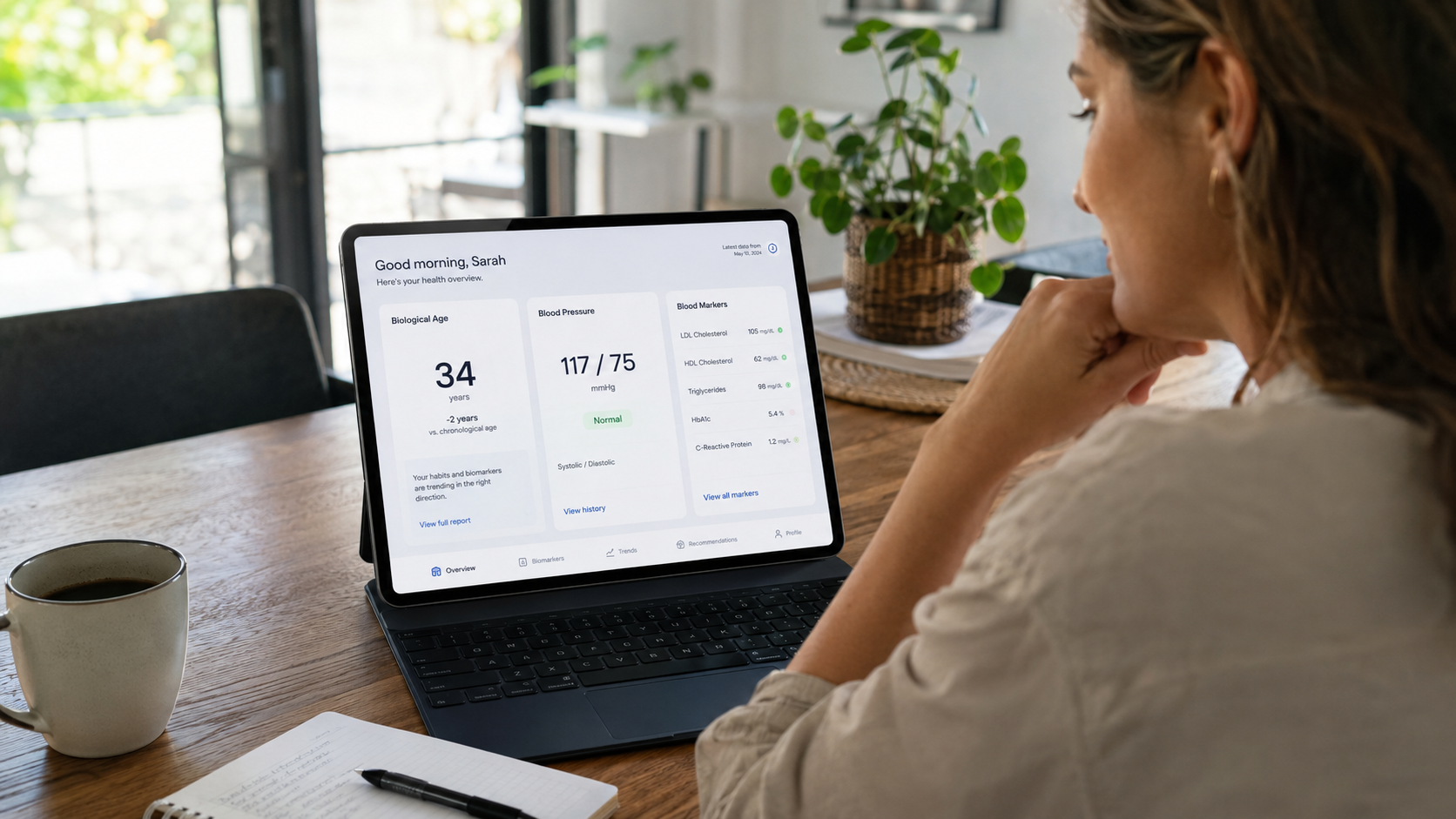
Biological Age, Blood Pressure, and Biomarkers: What Your Health App Can Actually Tell You
Health tracking is moving beyond steps, workouts, and daily recovery scores. New tools are beginning to combine biological age estimates, blood pressure, bloodwork, biomarkers, and healthspan data to give a broader picture of long-term health. This article explains what these measurements can—and cannot—tell you, why some signals matter more than others, and how the best health dashboards should turn complex numbers into clear, practical next steps.
AI Health Coach: When Personalized Insights Help and When They Get Annoying
Health apps are useful when they turn complex data into clear, practical guidance. Discover why wearable advice often feels generic—and what makes an insight truly helpful.
Why your morning energy is decided the night before: coffee, alcohol, and dinner timing
Most bad mornings are decided the night before. How late coffee, alcohol, and dinner timing quietly drain your next-day energy, and how to fix it.
Recovery Score, Energy Score, Readiness, Body Battery — What Actually Matters
What recovery score means, how energy and readiness score differ, and body battery vs recovery — plus which numbers actually deserve your attention.