Why Your Readiness Score Has Been Low for Weeks
By Mr.Apps · Sep 2, 2026
Category:Recovery

A low readiness score for one morning is easy to explain. A late night, a demanding workout, or a restless sleep can push the number down. When the score stays low for two or three weeks, the question changes. I stop asking what happened last night and start asking what changed in the system around me.
I learned this during a stretch when my wearable stayed pessimistic even though no single day looked disastrous. I was sleeping almost my usual number of hours and training according to plan. Yet my HRV was drifting down, resting heart rate was slightly higher, and the readiness score kept landing below my normal range. The cause was not one dramatic event. Several small changes had accumulated: earlier work mornings, less daylight movement, harder weekend sessions, and irregular meals.
That is how I approach a consistently low recovery score now. I investigate the trend like a timeline, not a mystery hidden in one metric.
Confirm that the trend is real
First, I check whether the score actually represents several weeks of comparable data. I look at the underlying contributors rather than the headline number. Oura's description of readiness contributors shows why this matters: sleep, activity, resting heart rate, HRV balance, temperature, and other factors can influence the final score over different time windows.
I ask whether I wore the device consistently, whether sensor fit changed, and whether the data contain missing nights. I also note software updates, a new device, a different finger or wrist, and changes in the sleep window. A sustained low score built on inconsistent inputs may be a measurement problem rather than a recovery problem.
Then I examine the raw direction of three or four signals. Is HRV below its personal range? Is resting heart rate higher? Has sleep become shorter or more fragmented? Has temperature shifted? If only the composite score changed while everything underneath looks stable, I am cautious about drawing conclusions.

No single threshold applies to everyone. The useful comparison is my current pattern against my established baseline under similar conditions. A long-term change deserves more weight than a daily color, but it still does not identify a cause.
Rebuild the previous month on paper
I make a simple four-week timeline. It includes training, sleep timing, work demands, travel, illness, medication or supplement changes, appetite, and any symptoms. I do not need perfect records. The purpose is to see whether the low readiness trend began near a change I had mentally normalized.
Sleep is often the first place I look, but duration alone is not enough. The Centers for Disease Control and Prevention notes that most adults need at least seven hours of sleep, yet timing and continuity also matter. Eight hours in bed can contain long awake periods. A regular total can hide a progressively later bedtime or an earlier alarm.
I once thought my sleep was stable because the weekly average barely moved. The timeline showed that I was borrowing forty minutes from weekdays and repaying it on weekends. The average looked respectable; the rhythm did not. When I restored a consistent wake time and protected an earlier wind-down, my subjective energy improved before the readiness score fully followed.
I also review training load. The session that looks ordinary on a plan may be unusually expensive when combined with poor sleep, work pressure, heat, or an incomplete recovery from the previous week. An international consensus on training load and illness risk emphasizes that load is not only the external work performed. It also includes the individual's response and the wider context.
Look for several small causes, not one perfect culprit
Persistent low readiness often comes from accumulation. I divide possible contributors into six groups: sleep and schedule, training load, nutrition and hydration, psychological strain, illness or medication, and sensor quality.
Sleep and schedule includes bedtime variability, early waking, restless nights, and travel. Training load includes volume, intensity, frequency, and whether easy days are truly easy. Nutrition includes under-fueling, a reduced appetite, poor meal timing, and inadequate fluids. Psychological strain includes sustained concentration, uncertainty, caregiving, or an overloaded calendar even when I do not feel acutely distressed.
Illness and medication require particular care. A new prescription, dose change, infection, allergy flare, or another health condition can affect heart rate, sleep, temperature, and perception. I do not stop medication based on wearable data. I record the dates and discuss a persistent change with a qualified clinician.

The overlap matters. One slightly shorter night may not change much. Shorter nights plus harder training plus irregular meals can. I therefore resist the urge to find a single elegant explanation. Recovery is often less like a broken switch and more like a budget with several small withdrawals.
Run a short, controlled reset
Once I identify the likely contributors, I change only a few things for seven to ten days. I reduce training volume or intensity, keep wake time consistent, eat regular complete meals, and create a calmer transition into sleep. I continue wearing the device in the same way.
The goal is not to force the score upward. It is to see whether my function and the underlying trends respond. I track morning energy, mood, soreness, motivation, and performance at easy effort. If I change six habits at once, I may feel better but learn very little about the cause.
I also avoid adding extra hard sessions to test whether I am really tired. That can deepen the problem. The joint consensus statement on overtraining syndrome explains that prolonged underperformance can have many possible contributors and requires exclusion of medical and nutritional causes. A consumer readiness score cannot make that diagnosis.
During a reset, I prefer movement that leaves me feeling better afterward: walking, mobility work, easy aerobic activity, or technically comfortable strength work. If even low-intensity effort feels disproportionately hard, that observation carries more weight than my desire to preserve the schedule.
Know when “wait and see” has lasted long enough
A readiness score alone is rarely urgent. The combination of a persistent trend and a decline in normal function is more important. I pay attention to unusual fatigue, worsening performance, repeated illness, sleep that remains poor despite opportunity, mood changes, loss of appetite, dizziness, chest discomfort, or shortness of breath.
A clinical review of unexplained underperformance describes persistent fatigue and reduced performance lasting at least two weeks as a pattern that warrants careful evaluation rather than a quick label. It also highlights the range of possible medical and nonmedical causes. That is a useful boundary: several weeks of low scores plus real symptoms or functional decline deserves a professional conversation.

I bring dates and a short summary. I include my normal range, when the change began, sleep and training changes, symptoms, medications, and two or three relevant charts. I do not arrive with hundreds of screenshots or claim that the wearable found a specific condition.
The same principle applies if the score stays low but I feel and perform normally. After checking data quality, I may be seeing an algorithmic baseline shift, a device issue, or a change that is physiologically real but not currently impairing me. I keep the trend in view without organizing my life around it.
Reassess the baseline after the disruption
Readiness algorithms learn from recent data. If my routine changes for a month, the baseline may also move. That can create a strange transition where the device is comparing a new life pattern with an old normal. I treat travel, a new training phase, schedule change, or illness recovery as a distinct chapter.
I do not expect the score to rebound on the first good night. The body and the algorithm both need time. A practical guide to overtraining evaluation recommends a broad history and attention to performance, mood, sleep, and health rather than reliance on one laboratory or monitoring marker. The same breadth improves everyday wearable interpretation.
This is why I use a weekly review. I compare the seven-day direction of HRV, resting heart rate, sleep, and subjective energy. I ask whether normal work and easy training feel easier, the same, or harder. Improvement in function is meaningful even if the composite score is slow to change.
I also protect sleep without turning it into a performance test. The CDC notes that ongoing sleep deficiency affects cardiovascular health through several pathways, including heart rate and blood pressure. Its overview of sleep and heart health is a reminder that sleep is a health behavior, not just a readiness input.
When my recovery score has been low for weeks, I want an explanation, but I do not force one. I verify the data, reconstruct the timeline, reduce the most plausible loads, and watch both function and physiology. If the trend persists with symptoms or declining performance, I take it beyond the app.
The score is useful because it starts the investigation. It is not qualified to finish it.
FAQ
How long is too long for a low readiness score?
There is no universal number of days. A trend lasting several weeks matters more when it comes with persistent fatigue, worsening performance, unusual symptoms, or changes in sleep, resting heart rate, HRV, or temperature.
Can overtraining cause weeks of low recovery scores?
Heavy training can contribute, but a wearable cannot diagnose overtraining syndrome. Sleep disruption, illness, under-fueling, psychological strain, medication, schedule changes, and sensor problems can create similar patterns.
Should I stop training until my score returns to normal?
Not automatically. Reduce risk, use easier sessions, and monitor how normal effort feels. Stop and seek medical advice when concerning symptoms appear or when fatigue and reduced function persist despite rest and routine adjustments.
*This article is for informational purposes only and is not a substitute for professional medical advice, diagnosis or treatment.*
Sources:
Oura·Centers for Disease Control and Prevention·International Olympic Committee·American College of Sports Medicine and European College of Sport Science·British Journal of Sports Medicine·Sports Health
Related articles

Low Recovery Score but Feel Great: Should You Trust Your Body or Your Wearable?
A low recovery score can conflict with how energetic and capable you feel, but neither signal tells the whole story by itself. I use a practical framework that combines symptoms, data quality, multi-day trends, and workout risk to decide whether to continue, modify, or rest.
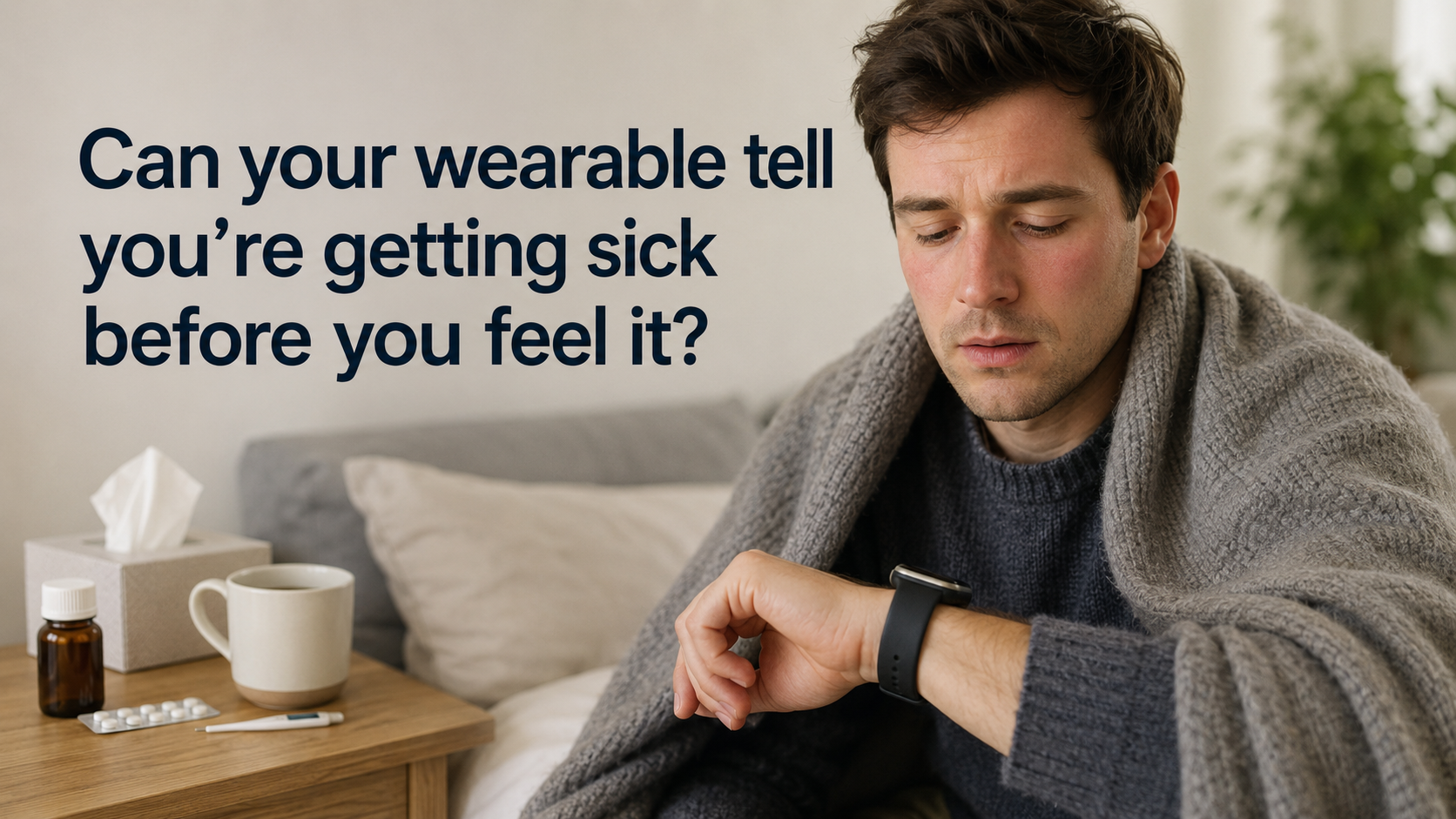
Can your wearable tell you're getting sick before you feel it?
Resting heart rate, HRV, and temperature can shift before you feel sick. What early illness signals from wearables really mean, and how to respond.
What Heart Rate Recovery After Exercise Can Tell You About Fitness
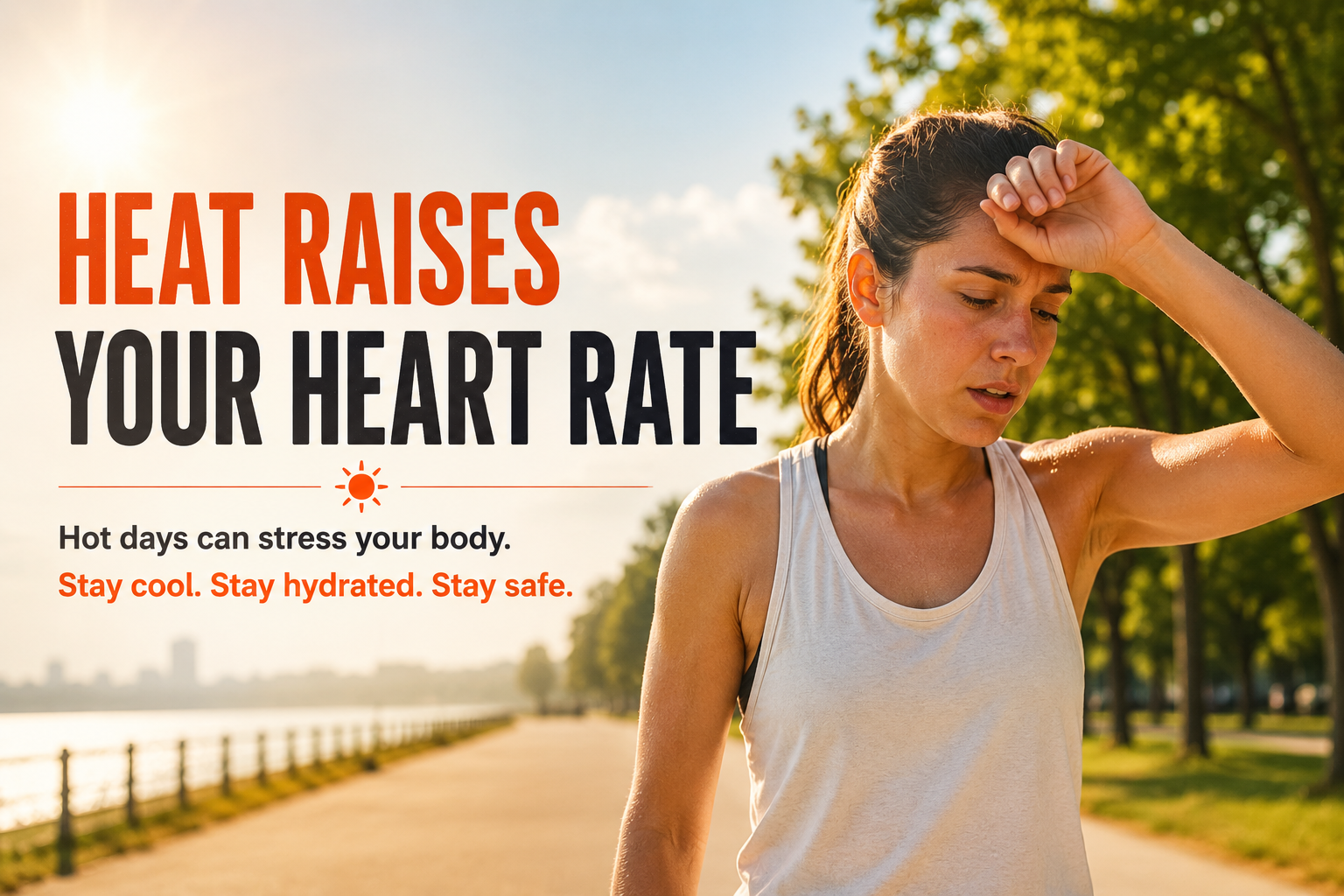
Why Hot Weather Can Raise Heart Rate and Lower Recovery
Hot weather can make your heart rate run higher, your HRV look worse, and your recovery score drop even when you did not train harder. Here’s why heat changes the body’s workload and how to protect your energy.
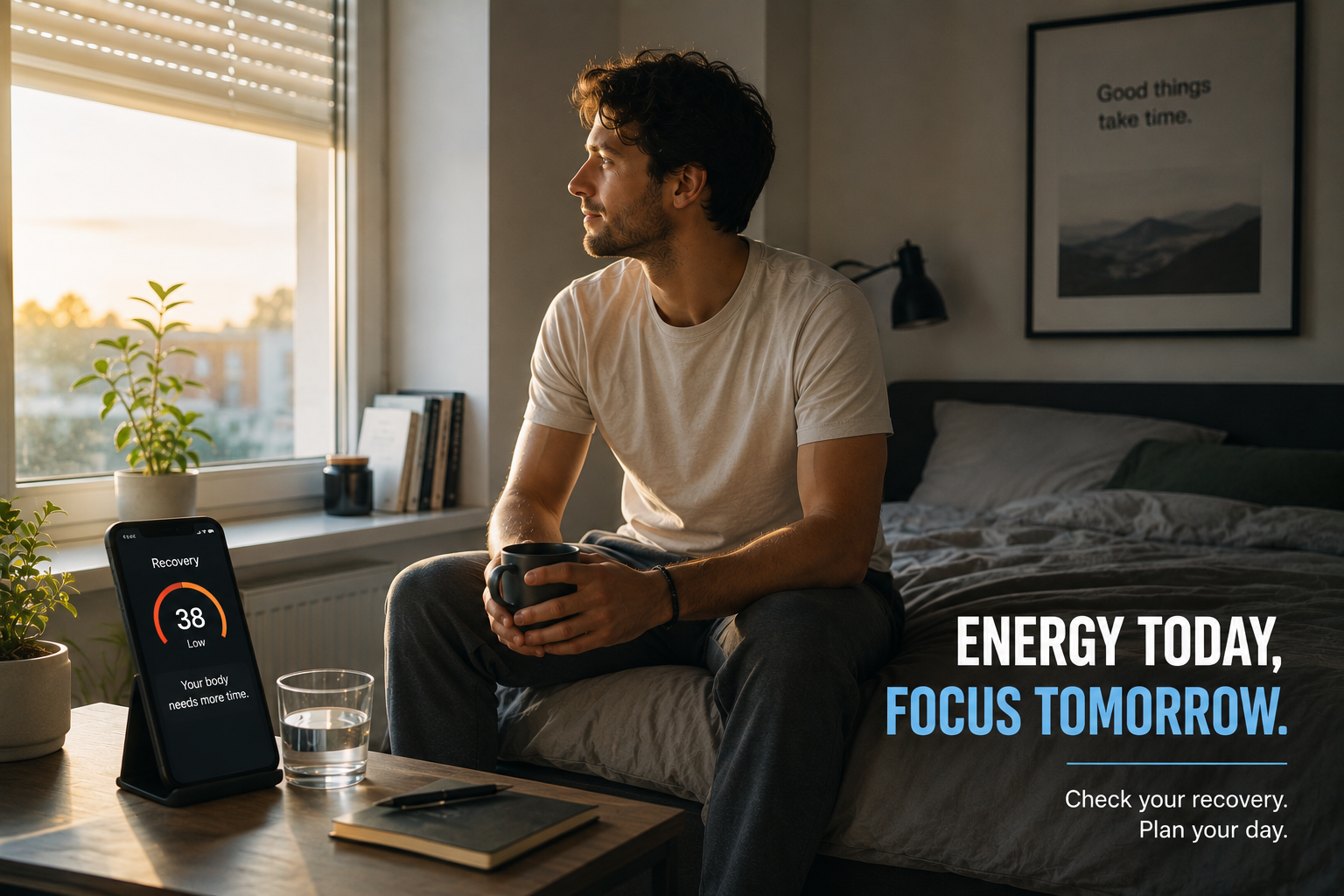
Best Apps to Track Poor Recovery and Fatigue in 2026
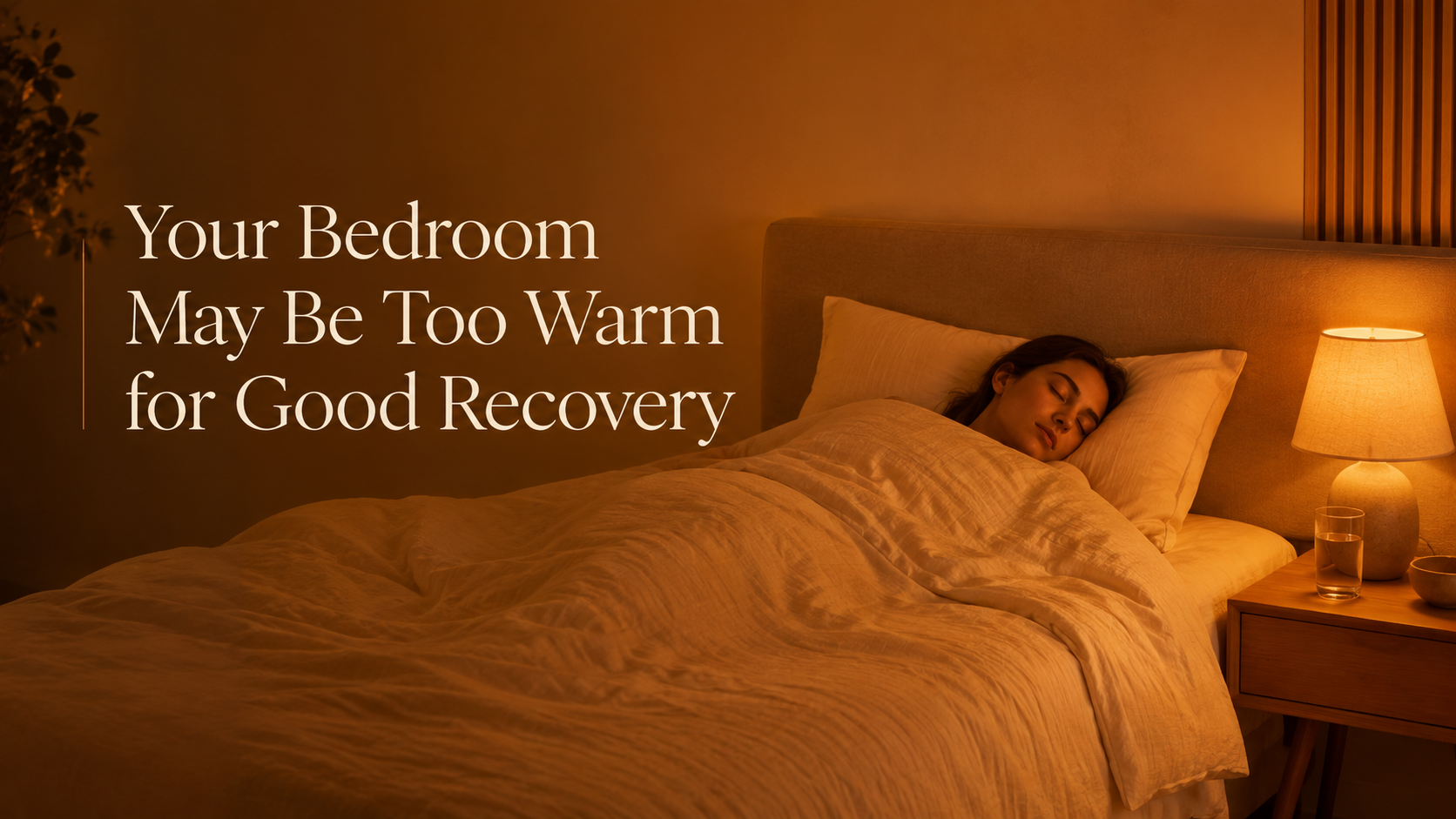
Your Bedroom May Be Too Warm for Good Recovery
For two summers, I lived in a bedroom that never quite cooled down after dark, and a heart rate tracker I was wearing for something else entirely showed me exactly what that was costing me overnight. It turns out a warm room doesn't just make sleep less pleasant. It measurably raises heart rate, lowers heart rate variability, and cuts into the recovery your body is supposed to get while you're asleep. Here's what the research says about why, who's most affected, and the small changes that actually help.

Why jet lag hits harder after some flights and how to recover faster
Some time zone changes barely touch you, and others wreck you completely, even when the shift on paper looks about the same. The difference usually comes down to direction: eastward travel fights your body's natural clock in a way westward travel doesn't, which is also why "I slept a full night" doesn't always mean you're actually recovered. Here's what the research says about why that happens, and a simple first-48-hours plan built around light, timing, and realistic expectations rather than gimmicks.
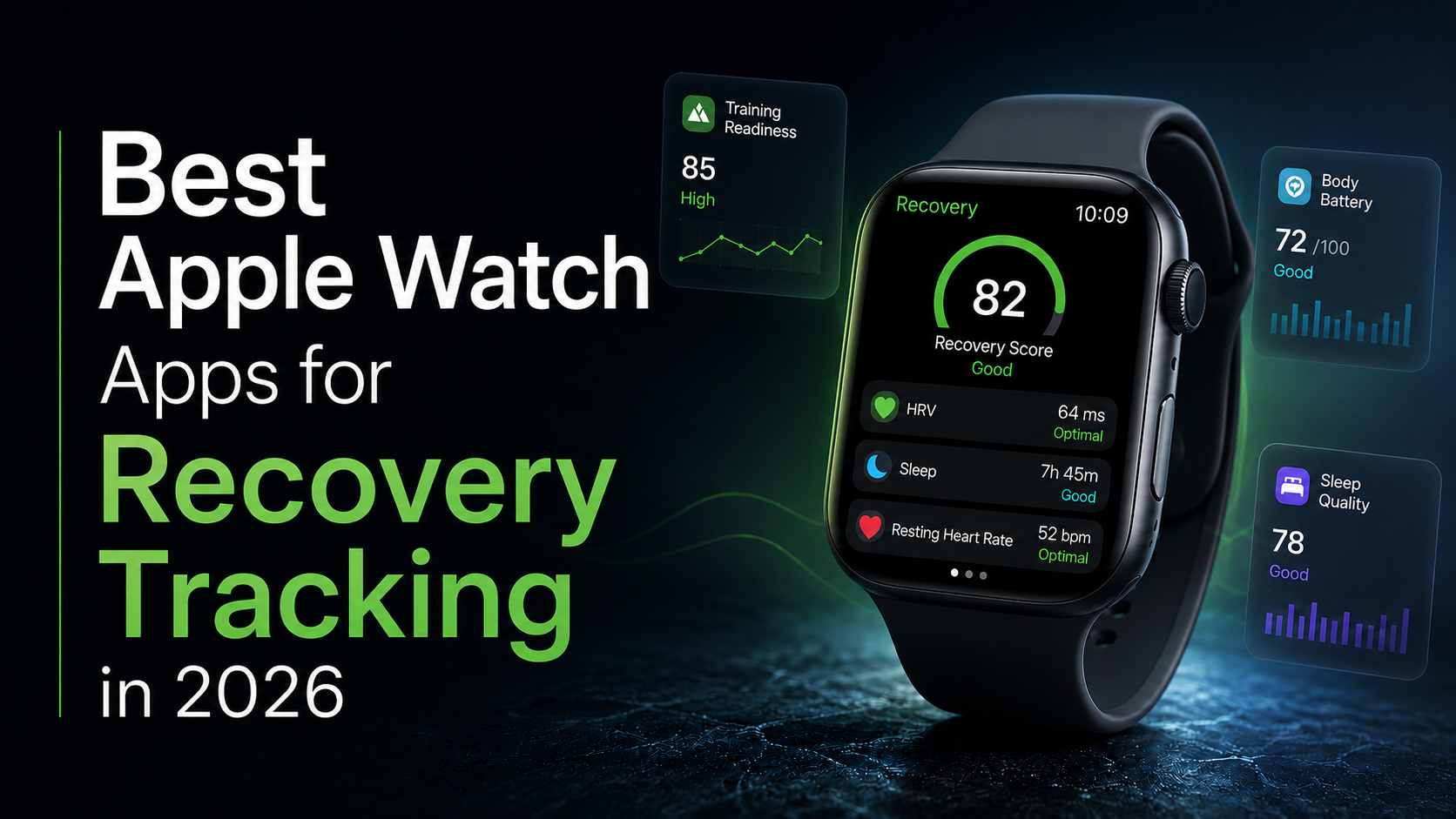
Best Apple Watch Apps for Recovery Tracking in 2026
Your Apple Watch already tracks sleep, HRV, heart rate, and activity, but recovery can still feel confusing without clear interpretation. This guide compares the best Apple Watch recovery apps for 2026, from simple daily energy scores to deeper training-readiness tools, helping you choose the right app for your goals.
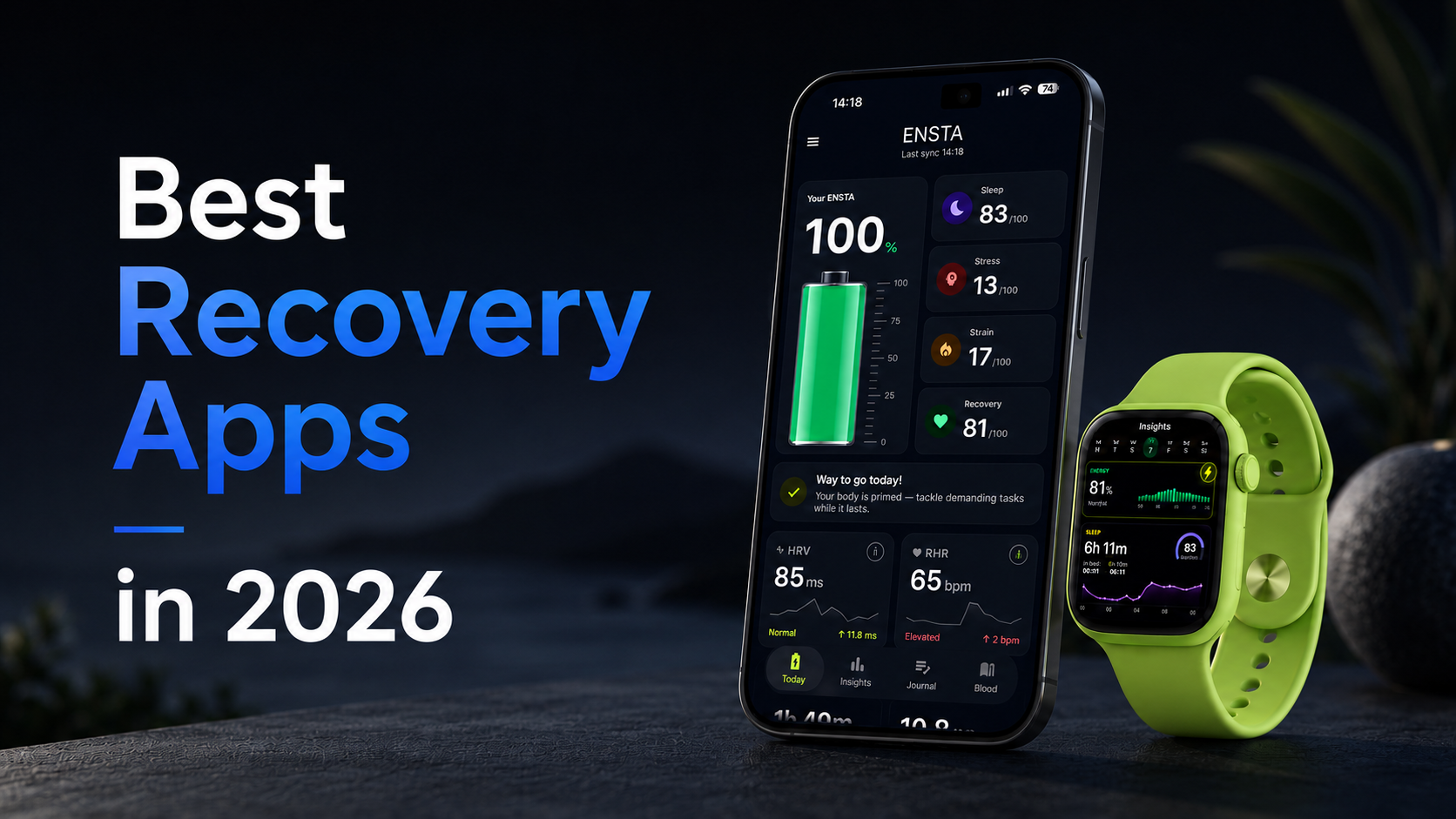
Best Recovery Apps in 2026
Compare the best recovery apps in 2026, including Ensta, WHOOP, Oura, Athlytic, Elite HRV, and Muscle Recovery Tracker. Learn which recovery tracker is best for your body, sleep, HRV, stress, strain, training load, and daily energy score — whether you want a simple free recovery app, an Apple Watch recovery app, a sleep-focused readiness score, or an athlete-grade recovery tracker.