Blogs
Latest articles from ENSTA.
- Recovery

Why Imported Cardio Load Needs Workout Pauses Preserved
A workout file can contain both active intervals and pauses, and those periods do not represent the same cardiovascular demand. An app that imports the session should preserve pause events or show how it handled them before calculating cardio load.
Mr.Apps · Oct 1, 2026
- Recovery

Why a Wearable Should Not Set a Return-to-Exercise Timeline After a Procedure
A wearable can record trends after a medical procedure, but its score cannot determine when exercise is safe. Activity guidance depends on the procedure, healing, symptoms and the care team’s instructions.
Mr.Apps · Sep 25, 2026
- Recovery

How Pain and Medication Changes Complicate Recovery Trends
Pain and medication changes can affect several signals used in a wearable recovery score at the same time. A score cannot isolate those causes or tell someone to change treatment.
Mr.Apps · Sep 25, 2026
- Recovery

Why Recovery Scores Can Be Noisiest When Training Is Minimal
A quiet training week does not mean that every signal feeding a recovery score stays still. When workout load changes little, sleep, routine, measurement quality and individual physiology can account for more of the score’s visible variation.
Mr.Apps · Sep 25, 2026
- Recovery

Why a Data Import Can Fill Gaps Without Rebuilding a Recovery Score
An imported record can restore historical measurements while leaving a recovery score unchanged. The result depends on whether the destination preserves the original score, has the inputs and method needed to recalculate it, and clearly marks what was imported.
Mr.Apps · Sep 24, 2026
- Recovery

Why Imported History Should Not Rewrite a Current Personal Baseline
Older wearable records can add useful context without automatically belonging in a current personal baseline. Check whether their source, method, coverage and comparison period match before mixing imported history with new measurements.
Mr.Apps · Sep 24, 2026
- Recovery

Why Late Eating Can Delay Overnight Heart Rate Recovery
Eating close to sleep may change the conditions around overnight heart rate, but a wearable cannot prove that meal timing caused a later recovery pattern. Compare similar nights while keeping sleep, activity and measurement coverage visible.
Mr.Apps · Sep 23, 2026
- Recovery

Why a Ten-Point Readiness Score Should Not Be Converted to a Percentage
Multiplying a ten-point readiness score by ten may look simple, but it does not recreate another system's labels, weighting or uncertainty. Learn why the displayed endpoints do not make two scores equivalent.
Mr.Apps · Sep 21, 2026
- Recovery

Why a Stable Readiness Score Can Hide Changing Inputs
A stable readiness score can conceal movement in the signals beneath it. Learn how to compare contributors, weighting and data quality before treating an unchanged headline as an unchanged night.
Mr.Apps · Sep 21, 2026
- Recovery

Why a Readiness Score Can Repeat for Several Days
A readiness score that repeats is not automatically broken or reassuring. Learn how to separate stable inputs from rounding, delayed calculation and incomplete syncing before deciding what the repeated value means.
Mr.Apps · Sep 21, 2026
- Recovery

How to Read a Readiness Score on a Ten-Point Scale
A ten-point readiness score is a summary, not a precise measurement of your whole condition. Learn how to read the broad range, inspect the contributors and keep the number in context before deciding what to do.
Mr.Apps · Sep 21, 2026
- Recovery

Why a Readiness Score Needs a "Not Enough Data" State
A readiness score should not always appear just because an app can calculate a number. When inputs are missing, conflicting, or too noisy, a clear “not enough data” state is more useful than false confidence.
Mr.Apps · Sep 18, 2026
- Recovery

Why Aggregate Wearable Data Cannot Predict Your Personal Response
Group-level wearable findings can reveal useful patterns without predicting what will happen to one person. Learn how selection, confounding, average effects, and personal baselines limit the leap from population data to individual advice.
Mr.Apps · Sep 18, 2026
- Recovery

How to Separate Local Muscle Fatigue From Whole-Body Recovery
Whole-body recovery metrics and local muscle fatigue can point in different directions because they describe different systems. Learn how to keep both layers in the record and choose a training decision that matches the limiting factor.
Mr.Apps · Sep 16, 2026
- Recovery

What a Wearable Can and Cannot Tell You About Delayed Muscle Soreness
Delayed muscle soreness often appears after the workout that caused it, while wearable metrics may change on another schedule. Learn what a device can add, what it cannot measure directly, and how to record the local response.
Mr.Apps · Sep 16, 2026
- Recovery

What Overnight Recovery Data Can Show After Intervals
Overnight recovery data can show how the body responded after interval work, but it cannot grade the workout or predict the next session by itself. Learn how to read overnight timing, heart-rate variability, sleep, and daytime function together.
Mr.Apps · Sep 16, 2026
- Recovery

Why Arm-Dominant Cardio Can Look Easier Than It Feels
Arm-dominant cardio can produce substantial local effort without looking like a conventional lower-body workout on a wearable. Learn how to pair heart rate with perceived exertion, local fatigue, duration, and the movement performed.
Mr.Apps · Sep 16, 2026
- Recovery

How Low Power Mode Can Break Overnight Recovery Data
Low power mode can preserve a sleep interval while reducing the overnight signals a recovery score needs. This guide explains the tradeoff, how to test it safely, and how to label an incomplete night.
Mr.Apps · Sep 15, 2026
- Recovery

Why a Recovery Score Can Go Missing Even When Sleep Is Recorded
A recorded sleep session does not guarantee that a recovery score has every input it needs. This guide explains how overnight signals, baselines, timing, and data quality can separate the two results.
Mr.Apps · Sep 15, 2026
- Recovery

What a Readiness Percentage Cannot Tell You About Injury Risk
Many readiness systems depend on overnight measurements that daytime spot checks cannot replace. Before interpreting the score, confirm that the night was recorded well enough to support it.
Mr.Apps · Sep 14, 2026
- Recovery

Why Cardio and Strength Need Different Readiness Decisions
Readiness scores often summarize cardiovascular, autonomic, sleep, and movement signals, while local muscle soreness can remain outside the calculation. Use both kinds of information when choosing a session.
Mr.Apps · Sep 14, 2026
- Recovery

What a Readiness Score Leaves Out About Muscle Soreness
Readiness scores often summarize cardiovascular, autonomic, sleep, and movement signals, while local muscle soreness can remain outside the calculation. Use both kinds of information when choosing a session.
Mr.Apps · Sep 14, 2026
- Recovery

Why a Readiness Score Can Stay Low After a Rest Day
An intraday readiness score is a moving estimate, not a permanent morning label. Learn which new inputs can change it, when the update is informative, and when it should not alter your plan.
Mr.Apps · Sep 14, 2026
- Recovery

How to Read a Readiness Score That Changes During the Day
A new health feature is useful only when the hardware, software, data history, and daily routine support it. Use this checklist before paying for an upgrade that may not improve a real decision.
Mr.Apps · Sep 14, 2026
- Recovery

Does a Better Sensor Make a Better Readiness Score?
A better sensor can improve the inputs to a readiness score, but it cannot guarantee a better decision. This guide separates sensing quality, sampling, algorithms, baselines, and personal context.
Mr.Apps · Sep 14, 2026
- Recovery

How to Use a Wearable to Pace a Return From a Busy Week
A busy week can leave recovery signals less clear even when training volume was not high. This guide explains how to use wearable trends, sleep, symptoms, and simple effort checks to return gradually without treating a score as medical clearance.
Mr.Apps · Sep 11, 2026
- Recovery

Why Your Workout Heart Rate Might Rise at the Same Effort
A higher workout heart rate at the same perceived effort can reflect heat, hydration, sleep, stress, illness, pacing, or sensor conditions. This guide explains how to compare sessions fairly and when a persistent change should prompt a conversation with a healthcare professional.
Mr.Apps · Sep 10, 2026
- Recovery

How to Track a New Supplement Without Overreading the Results
A wearable can help you record context after starting a supplement, but it cannot establish safety or efficacy from a changing score. This guide explains how to observe one change carefully, keep the trial limited, and involve a healthcare professional when risk or uncertainty is meaningful.
Mr.Apps · Sep 10, 2026
- Recovery

The Difference Between Training Load and Life Load
Training load describes planned physical work, but recovery also responds to sleep, stress, illness, travel, and other demands. This guide shows how to combine wearable data with a small amount of life context without turning recovery tracking into a full-time task.
Mr.Apps · Sep 10, 2026
- Recovery

How to Use a Wearable When You Are Returning to Exercise
A wearable can help you observe tolerance as you rebuild activity, but it cannot provide medical clearance. Use a gradual plan, compare effort with symptoms, and treat multi-day recovery data as context rather than a command.
Mr.Apps · Sep 8, 2026
- Recovery

What a Consistent Morning Heart Rate Can Tell You That a Daily Score Cannot
A consistent morning heart-rate record can show how your own baseline changes over time, while a daily readiness score compresses several inputs into one estimate. Learn how to measure consistently, read the trend, and avoid treating a personal number as a universal target.
Mr.Apps · Sep 8, 2026
- Recovery

Do You Need to Log Food for Better Recovery Insights?
Food notes can add useful context to wearable recovery data, but detailed calorie logging is not required for everyone. Learn when a simple meal and timing note helps, when tracking becomes noise, and how to keep the process flexible and safe.
Mr.Apps · Sep 8, 2026
- Recovery

What to Track Before You Change Your Training Plan
A training plan should change because several signals point in the same direction, not because one readiness score moved overnight. This guide shows how to combine sleep, resting heart rate, HRV, soreness, and performance context before changing volume or intensity.
Mr.Apps · Sep 8, 2026
- Recovery

Why Your Wearable's New AI Summary Can Miss the Point
AI summaries can make wearable data easier to read, but they can also turn incomplete context into a confident-sounding conclusion. Use this practical check to decide what an insight means before changing your routine.
Mr.Apps · Sep 8, 2026
- Recovery

How to Use a Wearable Journal Without Mistaking Correlation for Cause
A wearable journal can turn vague impressions into useful context, but it cannot prove that one habit caused a better or worse score. This guide shows how to log less, compare more carefully, and make sensible decisions from personal health data.
Mr.Apps · Sep 8, 2026
- Recovery

Zone 2 Training and Recovery: Can Easy Cardio Increase Your Daily Energy?
Easy aerobic work can build fitness and make daily tasks feel less costly, but Zone 2 is not automatically recovery-neutral. I show how to set the intensity, track the total dose, and judge energy, sleep, and HRV over several weeks.
Mr.Apps · Sep 7, 2026
- Recovery

Why Your Readiness Score Has Been Low for Weeks
A readiness score that stays low for weeks calls for a timeline, not a search for one bad night. I explain how to check data quality, investigate accumulated changes in sleep and training, run a controlled reset, and recognize when symptoms deserve professional attention.
Mr.Apps · Sep 2, 2026
- Recovery

Low Recovery Score but Feel Great: Should You Trust Your Body or Your Wearable?
A low recovery score can conflict with how energetic and capable you feel, but neither signal tells the whole story by itself. I use a practical framework that combines symptoms, data quality, multi-day trends, and workout risk to decide whether to continue, modify, or rest.
Mr.Apps · Sep 1, 2026
- Recovery · Wearable
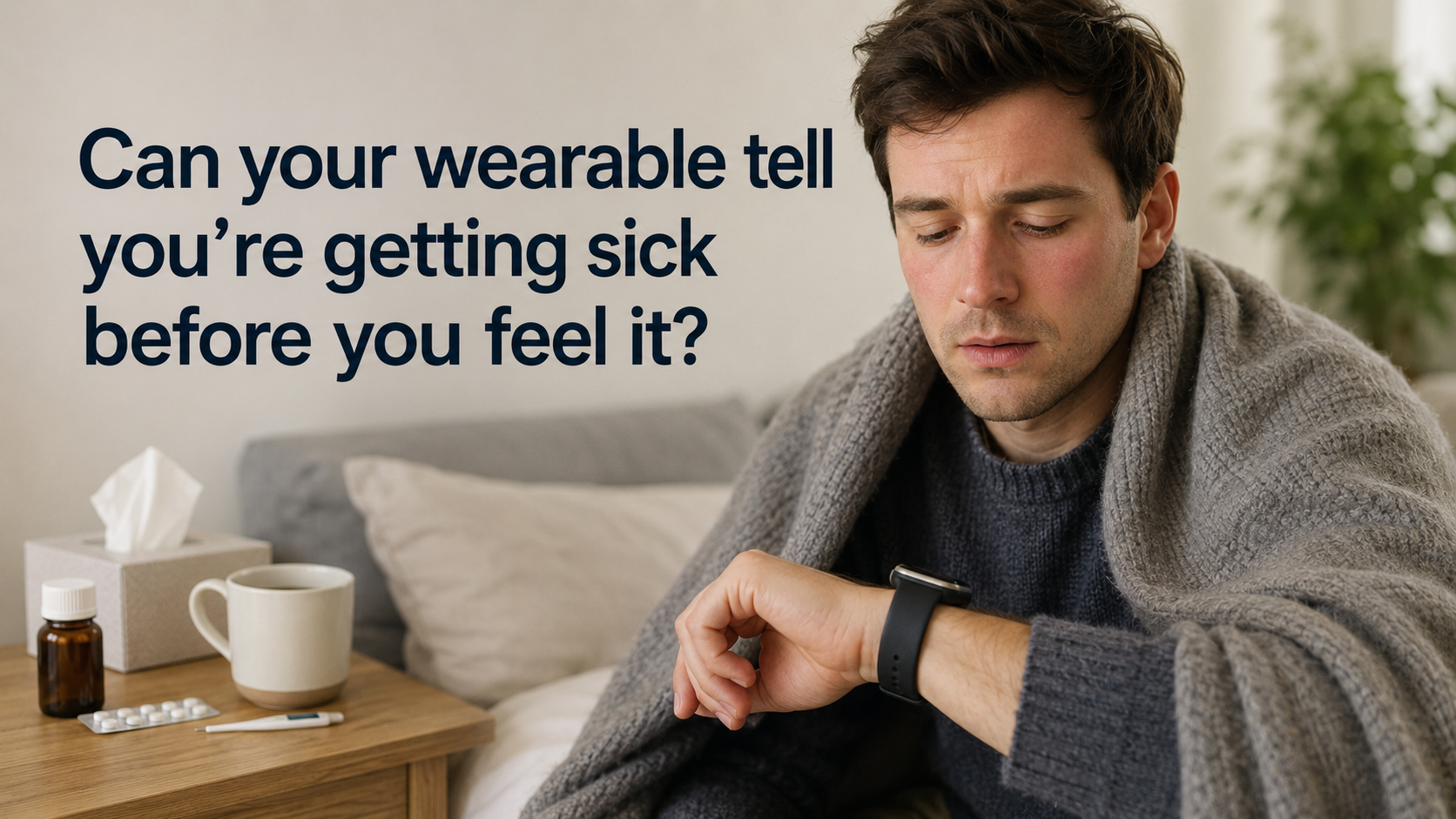
Can your wearable tell you're getting sick before you feel it?
Resting heart rate, HRV, and temperature can shift before you feel sick. What early illness signals from wearables really mean, and how to respond.
Mr. Apps · Jul 30, 2026
- Recovery

What Heart Rate Recovery After Exercise Can Tell You About Fitness
Mr.Apps · Jul 22, 2026
- Recovery
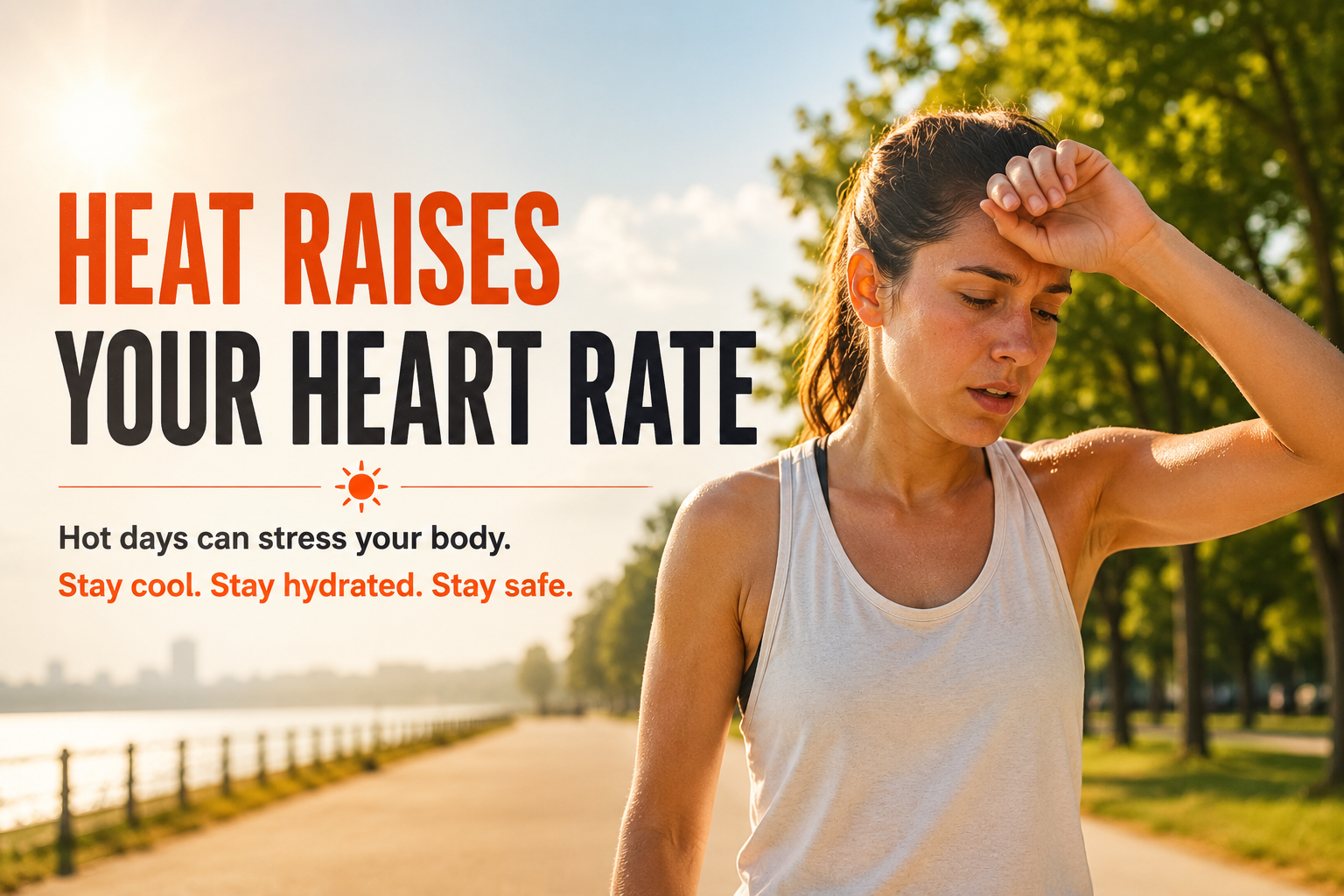
Why Hot Weather Can Raise Heart Rate and Lower Recovery
Hot weather can make your heart rate run higher, your HRV look worse, and your recovery score drop even when you did not train harder. Here’s why heat changes the body’s workload and how to protect your energy.
Mr.Apps · Jul 16, 2026
- Recovery
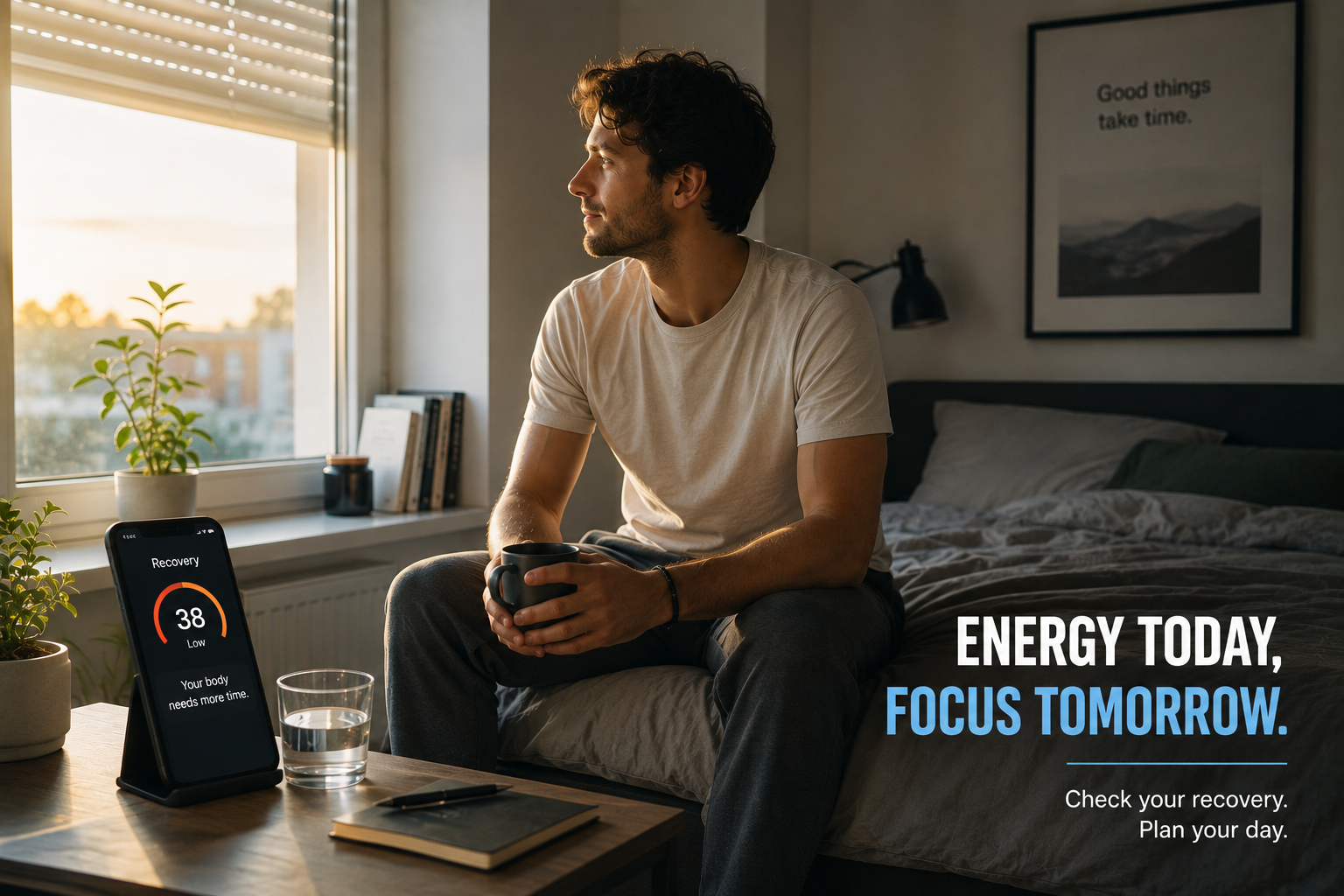
Best Apps to Track Poor Recovery and Fatigue in 2026
Anjali Singh · Jul 15, 2026
- Recovery

Your Bedroom May Be Too Warm for Good Recovery
For two summers, I lived in a bedroom that never quite cooled down after dark, and a heart rate tracker I was wearing for something else entirely showed me exactly what that was costing me overnight. It turns out a warm room doesn't just make sleep less pleasant. It measurably raises heart rate, lowers heart rate variability, and cuts into the recovery your body is supposed to get while you're asleep. Here's what the research says about why, who's most affected, and the small changes that actually help.
Mr. Apps · Jul 9, 2026
- Recovery

Why jet lag hits harder after some flights and how to recover faster
Some time zone changes barely touch you, and others wreck you completely, even when the shift on paper looks about the same. The difference usually comes down to direction: eastward travel fights your body's natural clock in a way westward travel doesn't, which is also why "I slept a full night" doesn't always mean you're actually recovered. Here's what the research says about why that happens, and a simple first-48-hours plan built around light, timing, and realistic expectations rather than gimmicks.
Mr.Apps · Jul 8, 2026
- Recovery
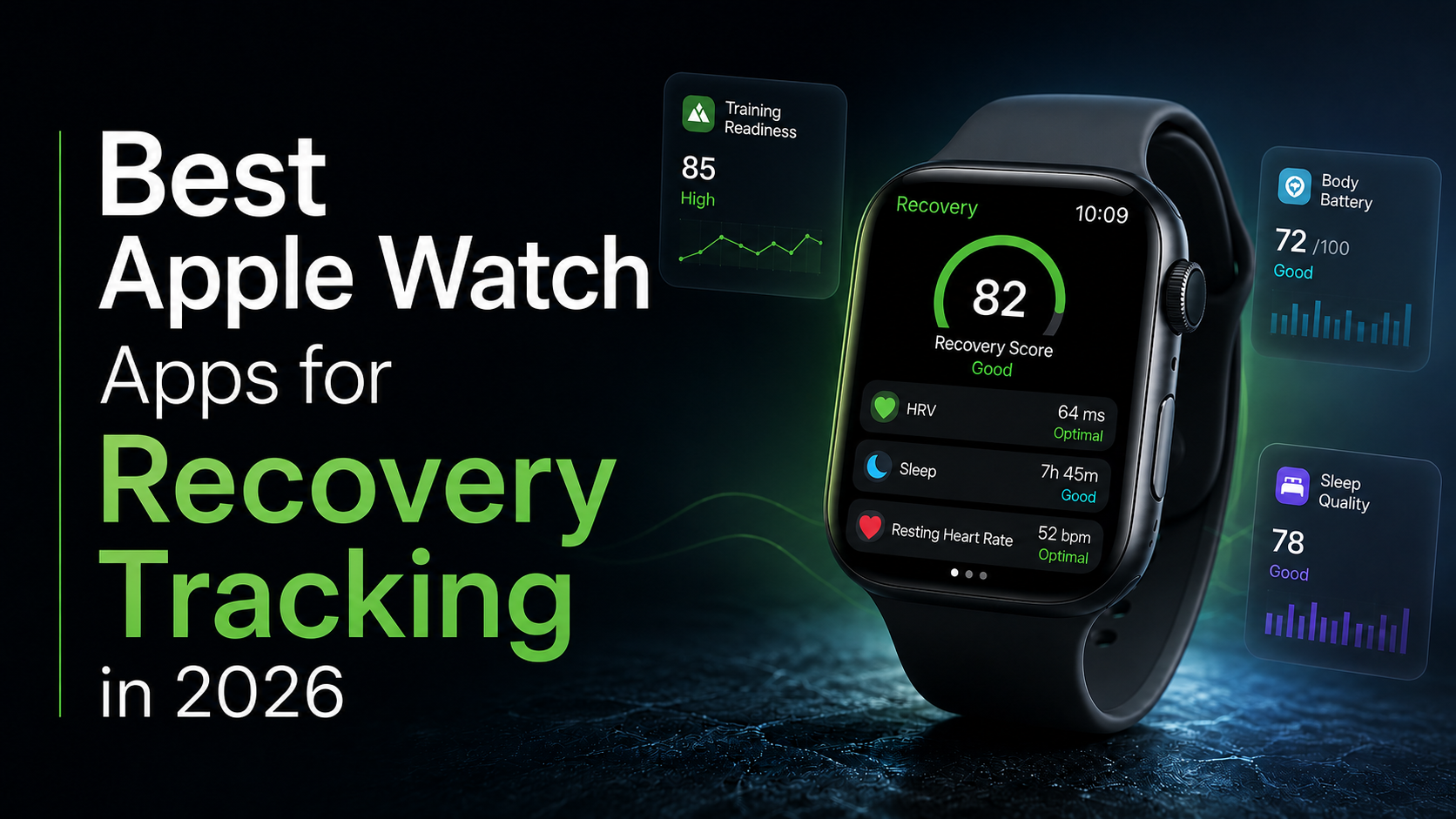
Best Apple Watch Apps for Recovery Tracking in 2026
Your Apple Watch already tracks sleep, HRV, heart rate, and activity, but recovery can still feel confusing without clear interpretation. This guide compares the best Apple Watch recovery apps for 2026, from simple daily energy scores to deeper training-readiness tools, helping you choose the right app for your goals.
Anjali Singh · Jul 8, 2026
- Recovery
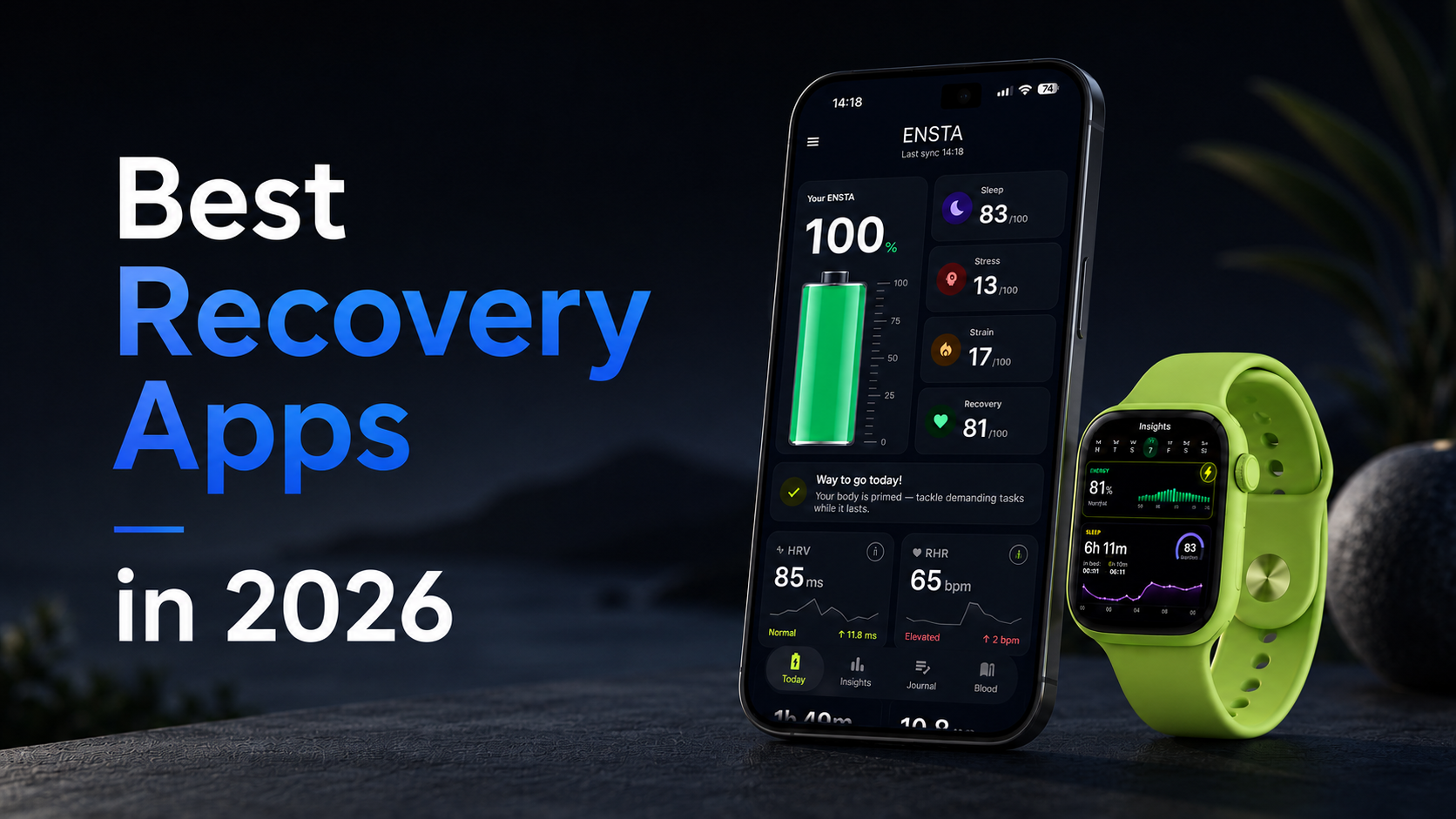
Best Recovery Apps in 2026
Compare the best recovery apps in 2026, including Ensta, WHOOP, Oura, Athlytic, Elite HRV, and Muscle Recovery Tracker. Learn which recovery tracker is best for your body, sleep, HRV, stress, strain, training load, and daily energy score — whether you want a simple free recovery app, an Apple Watch recovery app, a sleep-focused readiness score, or an athlete-grade recovery tracker.
Anjali Singh · Jul 6, 2026