Blogs
Latest articles from ENSTA.
- Sleep

Why a Later Bedtime Can Lower a Sleep Score Even When HRV Is Stable
A later bedtime can affect a composite sleep score through timing, duration and regularity even when overnight HRV changes very little. Learn how to separate the stable signal from the schedule context.
Mr.Apps · Sep 22, 2026
- Sleep

Why Sleep Efficiency and Sleep Duration Can Disagree
Sleep efficiency and sleep duration describe different parts of the night. Understanding why they disagree can prevent a long low-efficiency night and a short efficient night from being treated as equivalent.
Mr.Apps · Sep 22, 2026
- Sleep

Why a High Sleep Score Can Hide Too Little Sleep Opportunity
A high sleep score can reflect efficient sleep inside a narrow window. Learn why duration, time in bed and schedule deserve attention even when the headline score looks favorable.
Mr.Apps · Sep 21, 2026
- Sleep

Why a Sleep Score Above 90 Is Not a Definition of Perfect Sleep
A sleep score above 90 can reflect a favorable model result without proving perfect sleep. Learn how to read the contributors, duration, timing and next-day function beside the headline.
Mr.Apps · Sep 21, 2026
- Sleep

Why Time in Bed and Time Asleep Need Separate Trends
Time in bed and time asleep describe different parts of a night. Keeping their trends separate can reveal a narrowing sleep opportunity, extended wakefulness or an efficiency change that a single total can hide.
Mr.Apps · Sep 21, 2026
- Sleep

Why a Sleep Tracker May Record Sleep When You Are Not Wearing It
A sleep chart can appear even when the device was not on the body. This guide explains the data paths that can create a false-looking sleep record and the safest way to investigate it.
Mr.Apps · Sep 15, 2026
- Sleep

Why a Readiness Score Needs Overnight Wear to Be Useful
Many readiness systems depend on overnight measurements that daytime spot checks cannot replace. Before interpreting the score, confirm that the night was recorded well enough to support it.
Mr.Apps · Sep 14, 2026
- Sleep

Why a Short Night Can Still Produce a High Recovery Score
A rest day removes one source of training load, but it does not instantly reverse poor sleep, accumulated strain, illness, or a delayed response. Here is how to interpret a low score calmly.
Mr.Apps · Sep 14, 2026
- Sleep

Why You Should Review Your Wearable Data Before Changing Your Bedtime
A poor sleep score does not always show that bedtime is the problem. This guide explains how to review timing, wakefulness, routine, and measurement quality before moving your schedule.
Mr.Apps · Sep 11, 2026
- Sleep

Is Your Wearable's Sleep Window Too Narrow?
A wearable can record a sleep window that is shorter or less complete than the night you experienced. This guide explains why quiet wakefulness, device settings, and missing data can change the result, and how to add context without treating an estimate as a diagnosis.
Mr.Apps · Sep 9, 2026
- Sleep

What a Sleep Tracker Can and Cannot Tell You About a Short Nap
Short naps are difficult for many sleep trackers to classify because the quiet period is brief and the signals can look like still wakefulness. Learn how to log a nap, check the surrounding context, and avoid drawing a health conclusion from a missed or misclassified episode.
Mr.Apps · Sep 8, 2026
- Sleep

Sleep Scores Match, Deep Sleep Does Not: How to Compare Two Wearables
Two wearables can agree on total sleep while giving different estimates for deep sleep and other stages. This guide explains how to compare devices fairly, read repeated patterns, and avoid turning one night of stage data into a health judgment.
Mr.Apps · Sep 8, 2026
- Sleep

When Sleep Tracking Makes Sleep Worse: Orthosomnia and Score Anxiety
Sleep data can be useful until a nightly score begins shaping your mood, decisions, and ability to relax. I explain how orthosomnia develops and how to keep long-term trends while reducing score anxiety.
Mr.Apps · Sep 7, 2026
- Sleep · Wearable

Best Smart Rings for Sleep Tracking in 2026
After weeks of switching between several sleep-tracking rings, I found no single model that wins on every metric that matters. This breaks down what actually affects accuracy, battery life, and subscription cost, along with which ring makes sense depending on whether you care most about precision, price, or your phone's operating system.
Mr. Apps · Aug 18, 2026
- Sleep · Wearable · Energy

GLP-1, Sleep, and Energy: What Wearables Can Help You Notice
By the second week of a multi-city speaking tour, my wearable's morning summary had become something I read more carefully than my calendar. Resting heart rate crept up, deep sleep dropped by nearly half, and my energy check-in sat at a two for four mornings straight — even though nothing about my routine had dramatically changed.
Mr. Apps · Aug 17, 2026
- Sleep · Energy

Blood Sugar Swings, Sleep, and Next-Day Energy: The Overlooked Loop
I spent three years blaming the room temperature for the way I lost my train of thought halfway through every morning workshop. It wasn't the room. Poor sleep changes how your body handles food the next day, and late meals change the night that follows. Here's how the loop works, what your wearable can actually tell you, and a two-week test that costs nothing.
Mr.Apps · Aug 13, 2026
- Sleep

How much deep sleep do you really need?
Your watch says 42 minutes of deep sleep and you want to know if that is bad. The honest answer is that there is no single correct number, and the device producing that number is estimating rather than measuring. Here is what deep sleep actually does, how much of it is normal at your age, and what I watch instead of the stage breakdown.
Mr. Apps · Aug 10, 2026
- Sleep

Why You Wake Up at 3 A.M. and Can't Fall Back Asleep
For most of one winter I woke between 3:08 and 3:22 almost every night. The cause turned out not to be one thing, and it was not what I expected. Here is how I worked through the usual suspects, from stress and late meals to room temperature, breathing and body-clock timing, plus what a sleep tracker can and can't actually tell you.
Mr. Apps · Aug 7, 2026
- Sleep

Snoring, Sleep Apnea, and Smart Rings: What They Can Actually Detect in 2026
A smart ring cannot measure airflow. Everything it reports about your breathing is inferred from oxygen estimates, pulse signals, and movement, which is why a wearable can stay silent while a partner in the same bed hears you stop breathing. Here is what these devices can genuinely detect in 2026, where cleared screening features differ from wellness metrics, and why a quiet result is not a clean bill of health.
Mr. Apps · Aug 5, 2026
- Sleep
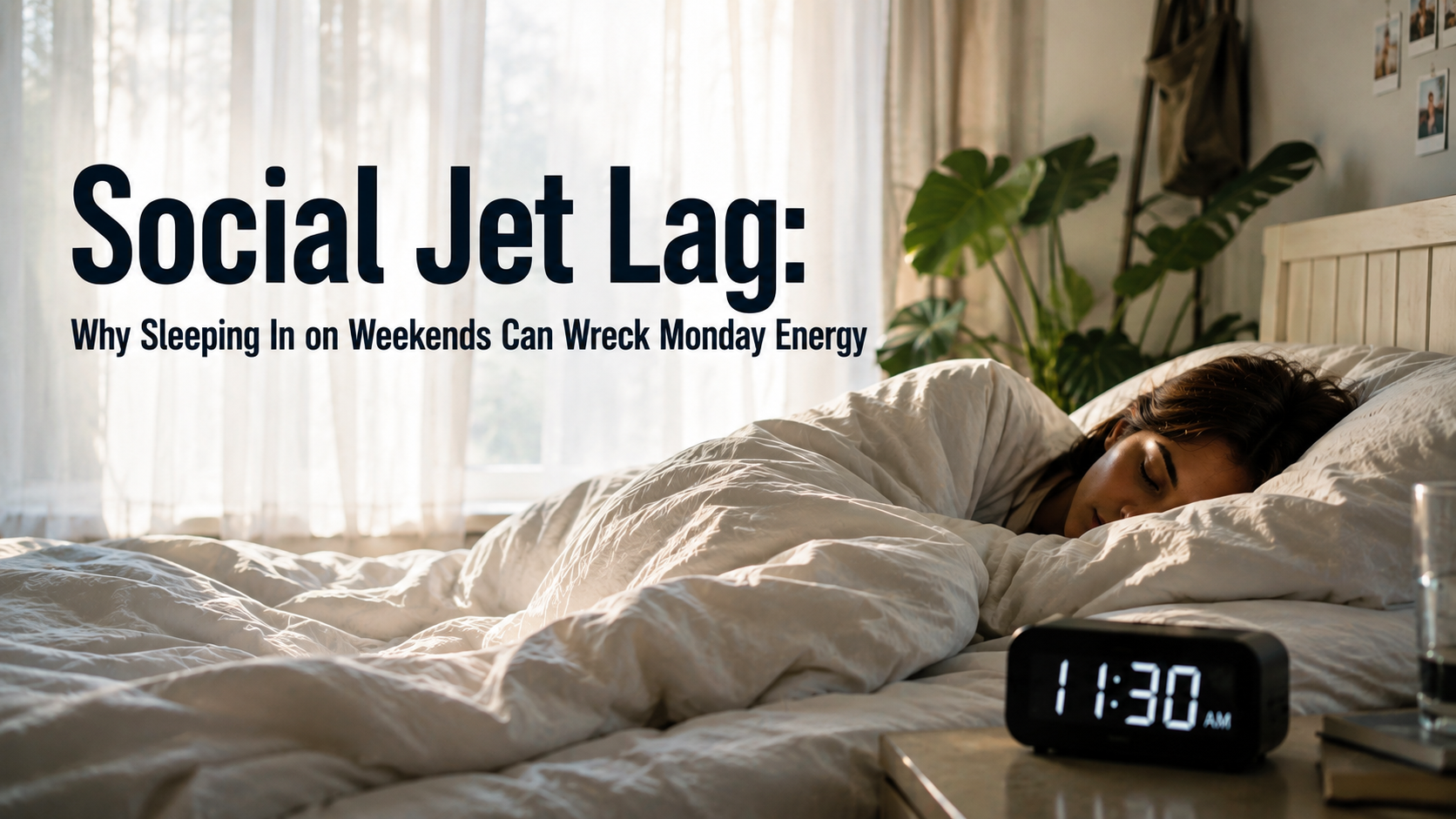
Social jet lag: why sleeping in on weekends can wreck Monday energy
Sleeping in on weekends shifts your body clock and drains Monday energy. Learn how to calculate your social jet lag and four realistic ways to reduce it.
Mr. Apps · Aug 3, 2026
- Sleep
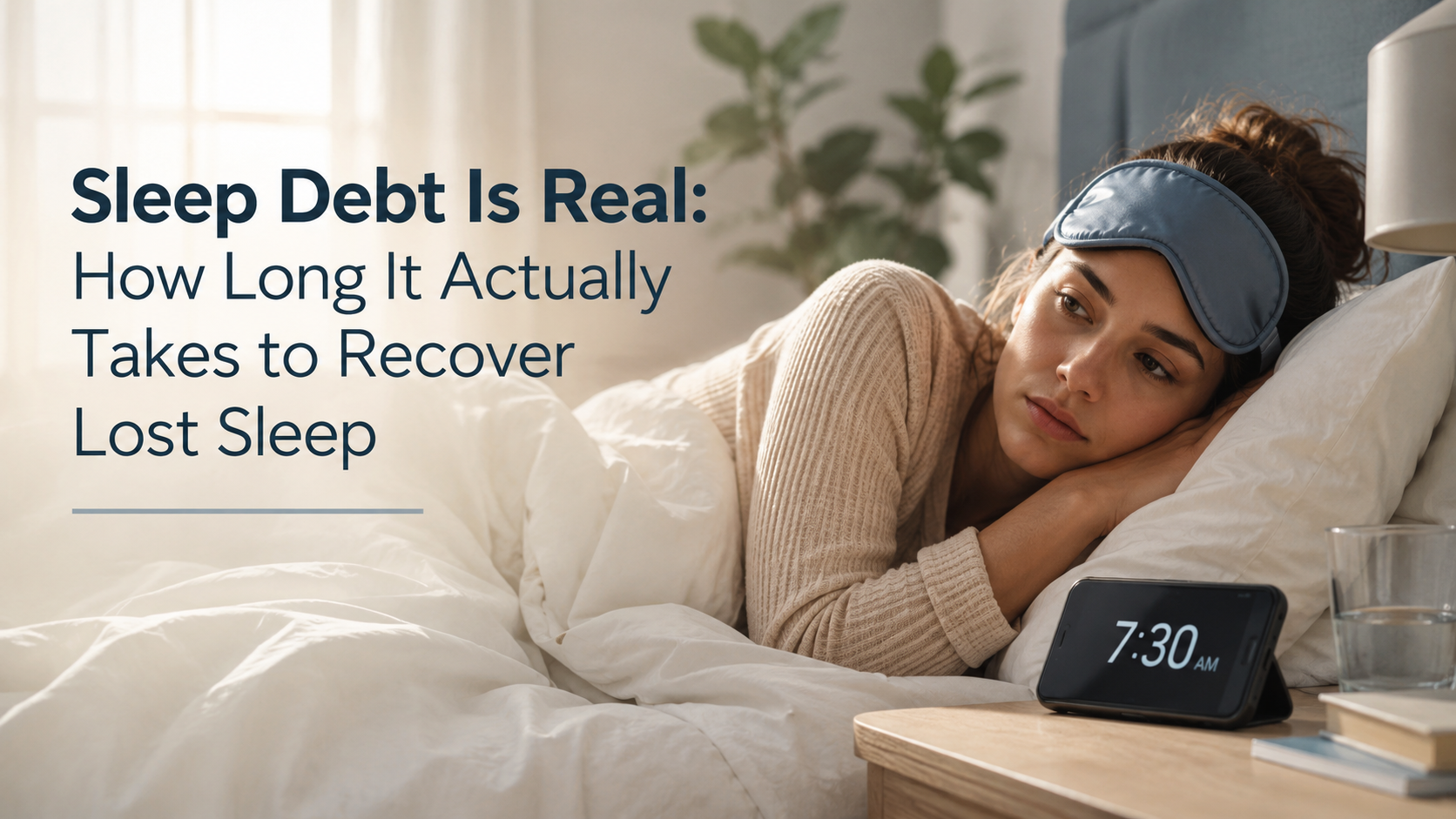
Sleep Debt Is Real: How Long It Actually Takes to Recover Lost Sleep
Sleep debt doesn't clear in one long weekend. Here's what the research says about realistic recovery timelines, plus a 3 to 7 day plan that works.
Mr. Apps · Jul 28, 2026
- Sleep
Does Working From Home Improve or Hurt Your Sleep?
Mr.Apps · Jul 20, 2026
- Sleep
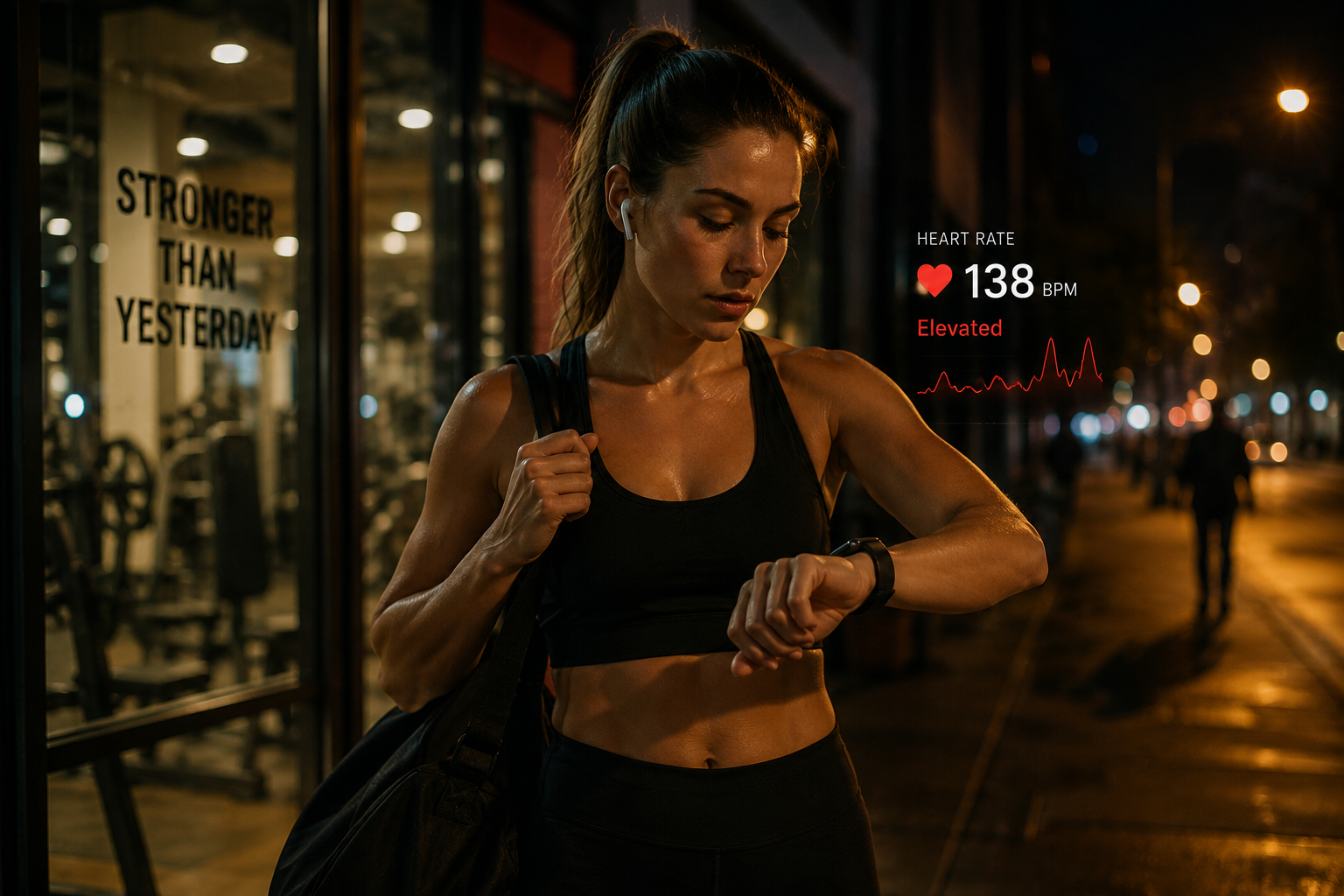
Exercise timing and sleep quality
Mr.Apps · Jul 13, 2026
- Sleep
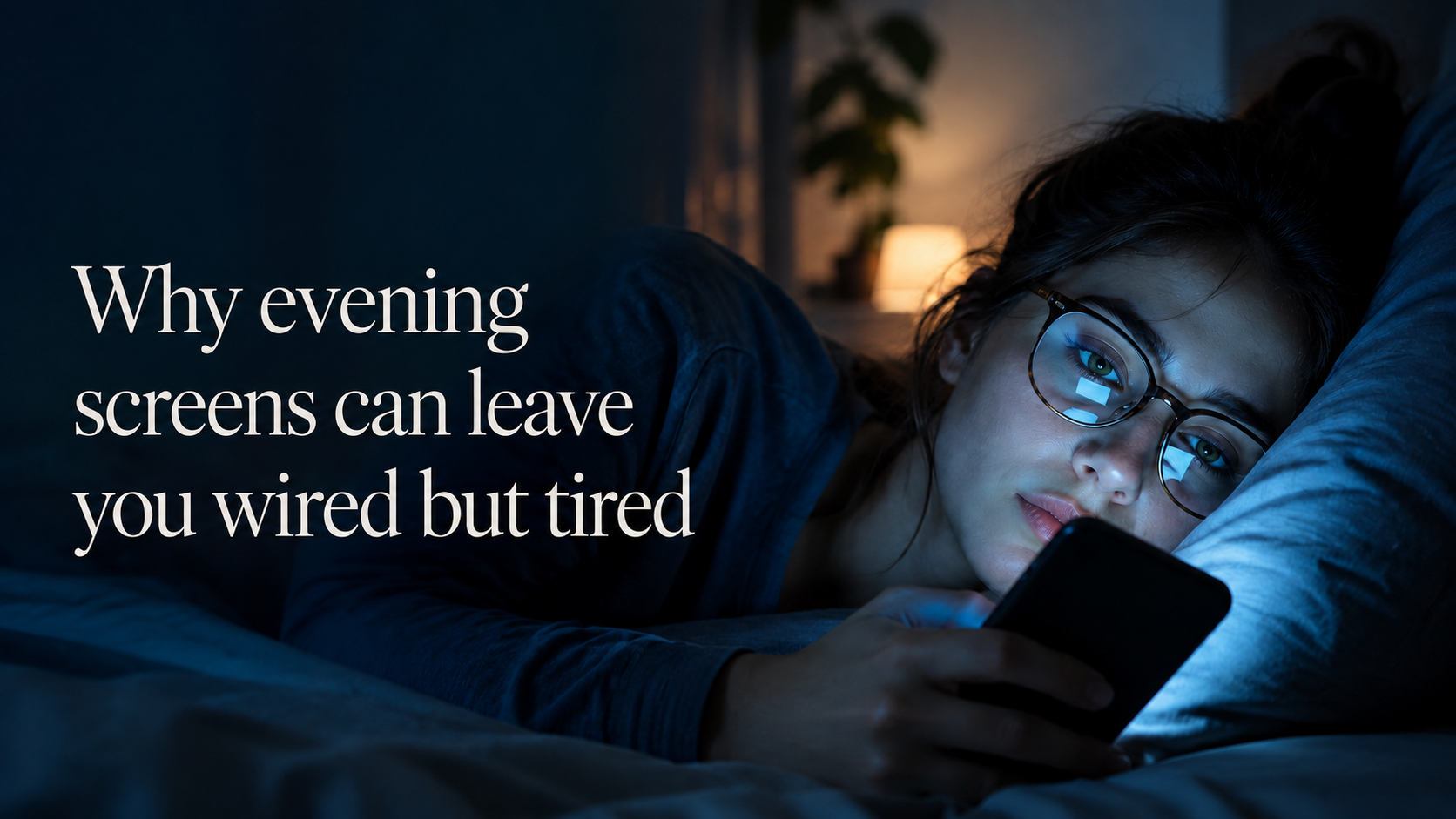
Why Evening Screens Can Leave You Wired but Tired
We're told blue light is why screens ruin our sleep, so we dim the display and turn on the warm filter. But if you've ever put the phone down exhausted and then lay there wide awake, the light was never the real problem. Here's what is.
Mr. Apps · Jul 10, 2026
- Sleep
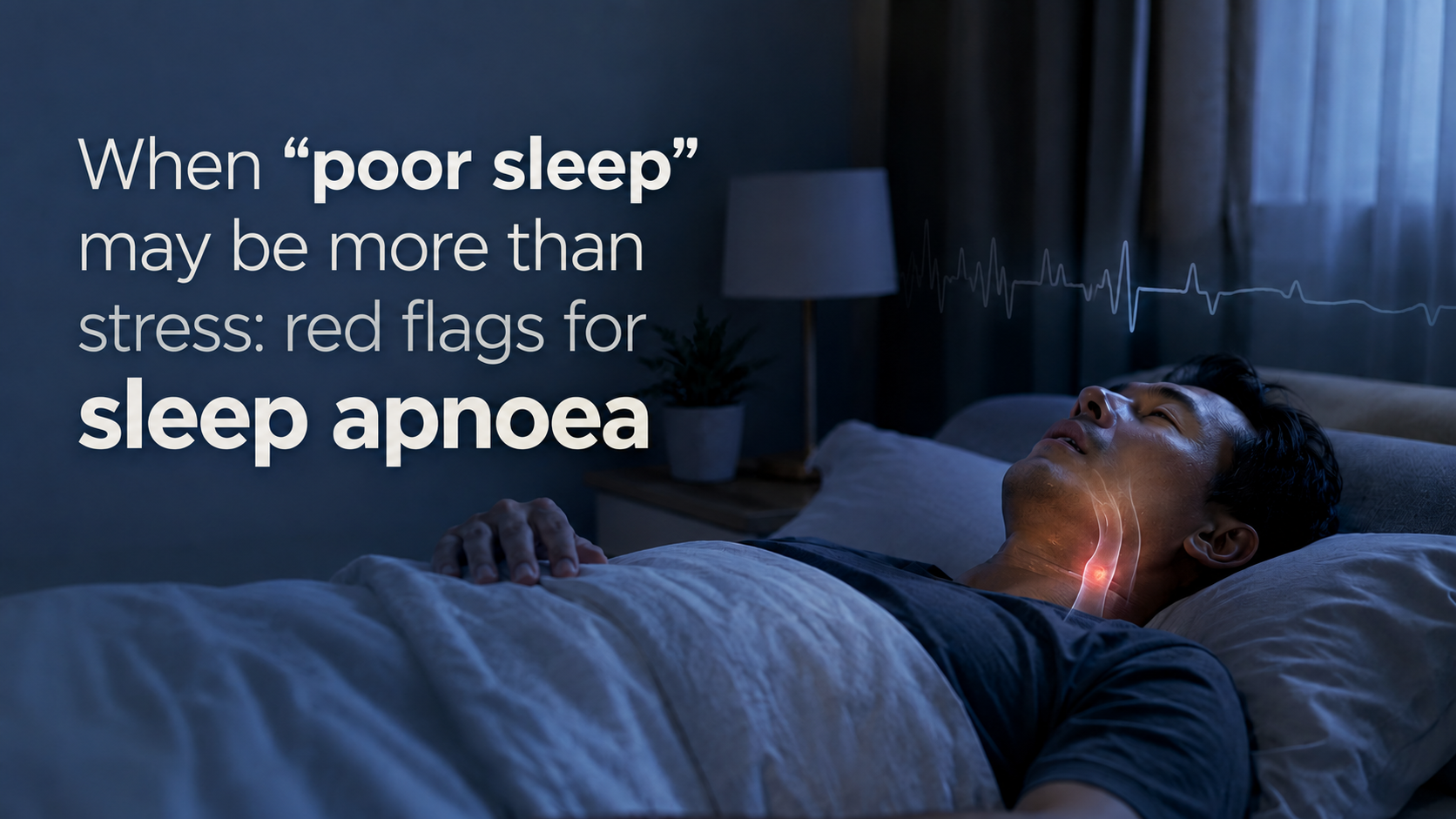
When "poor sleep" may be more than stress: red flags for sleep apnoea
Loud snoring gets dismissed as a quirk, morning headaches get blamed on stress, and daytime fog gets chalked up to a heavy calendar. Taken together, though, these signs can point to something a GP should know about: obstructive sleep apnoea. Here's what the real red flags look like, what home screening tools can and can't tell you, and when it's time to ask for a proper referral.
Mr.Apps · Jul 7, 2026
- Sleep
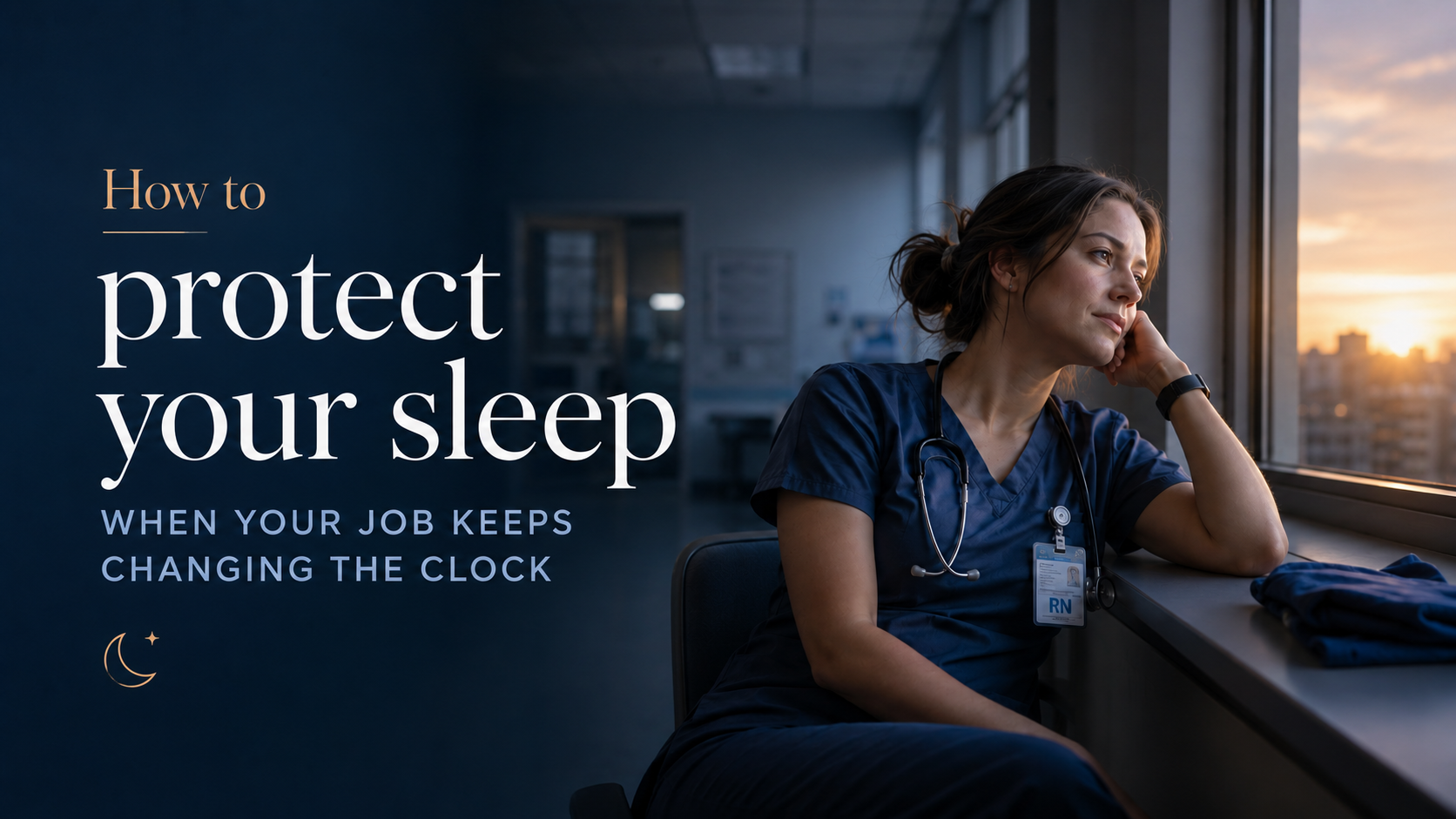
How to protect your sleep when your job keeps changing the clock
Shift work doesn't fail because people lack discipline. It fails because the body was never built to run a factory schedule. Here's what actually helps between rotating shifts, why "just going to bed earlier" doesn't work, and when persistent fatigue stops being normal and starts being something worth getting checked out.
Mr. Apps · Jul 6, 2026
- Sleep

When naps help your energy and when they quietly make sleep worse
Mr.Apps · Jul 3, 2026
- Sleep
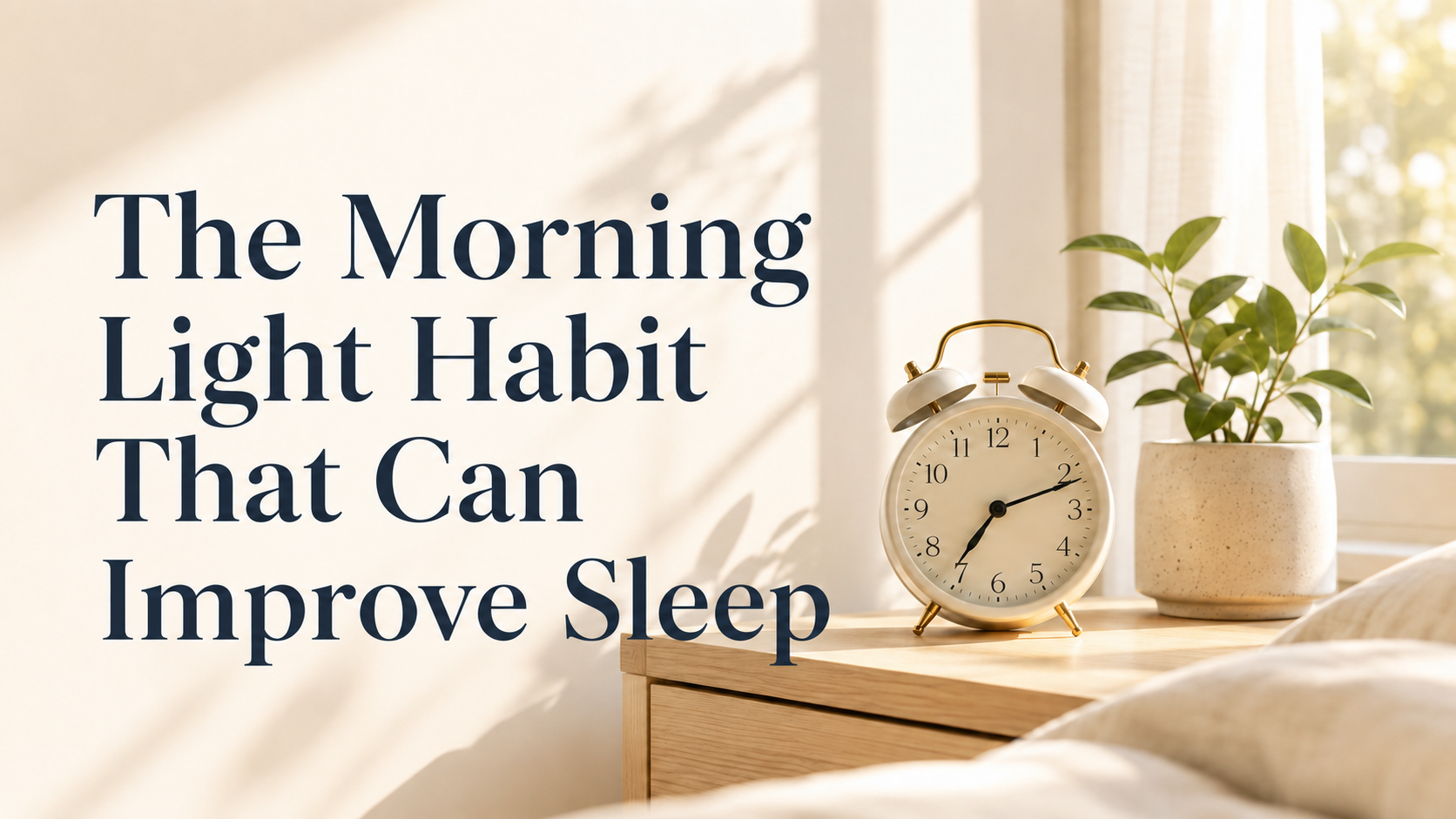
The morning light habit that can improve sleep without changing your bedtime
Most sleep advice focuses on the evening, dim the lights, put the phone away, but that's only half the equation. A few minutes of daylight soon after waking helps set your body clock earlier, making it easier to fall asleep at a reasonable hour that night, no bedtime changes required. Here's why it works, what actually counts as "morning light" in a real schedule, and when the habit alone isn't enough.
Mr. Apps · Jul 2, 2026
- Sleep
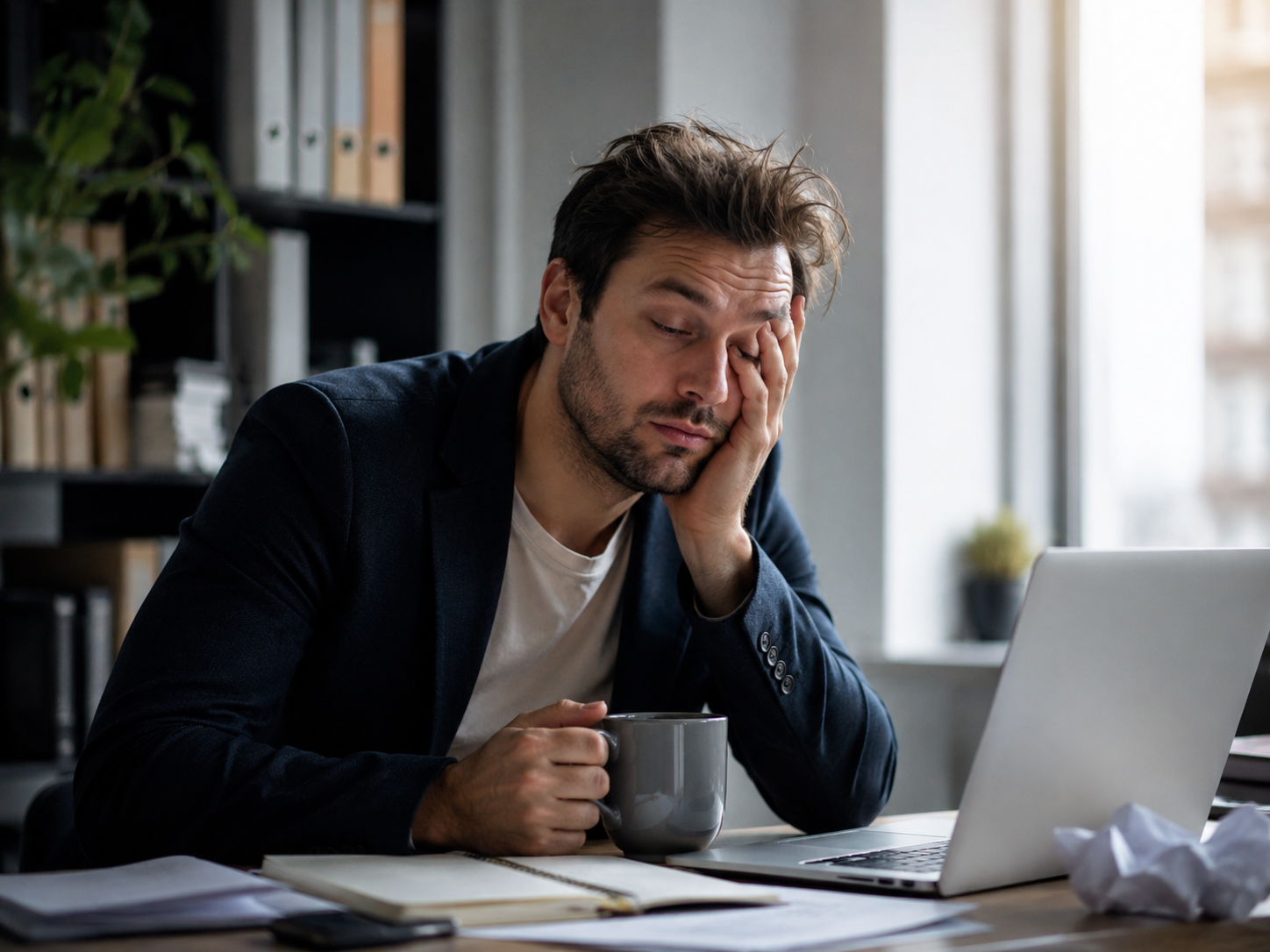
Why a regular sleep schedule may matter more than an extra hour in bed
Mr.Apps · Jul 1, 2026
- Sleep
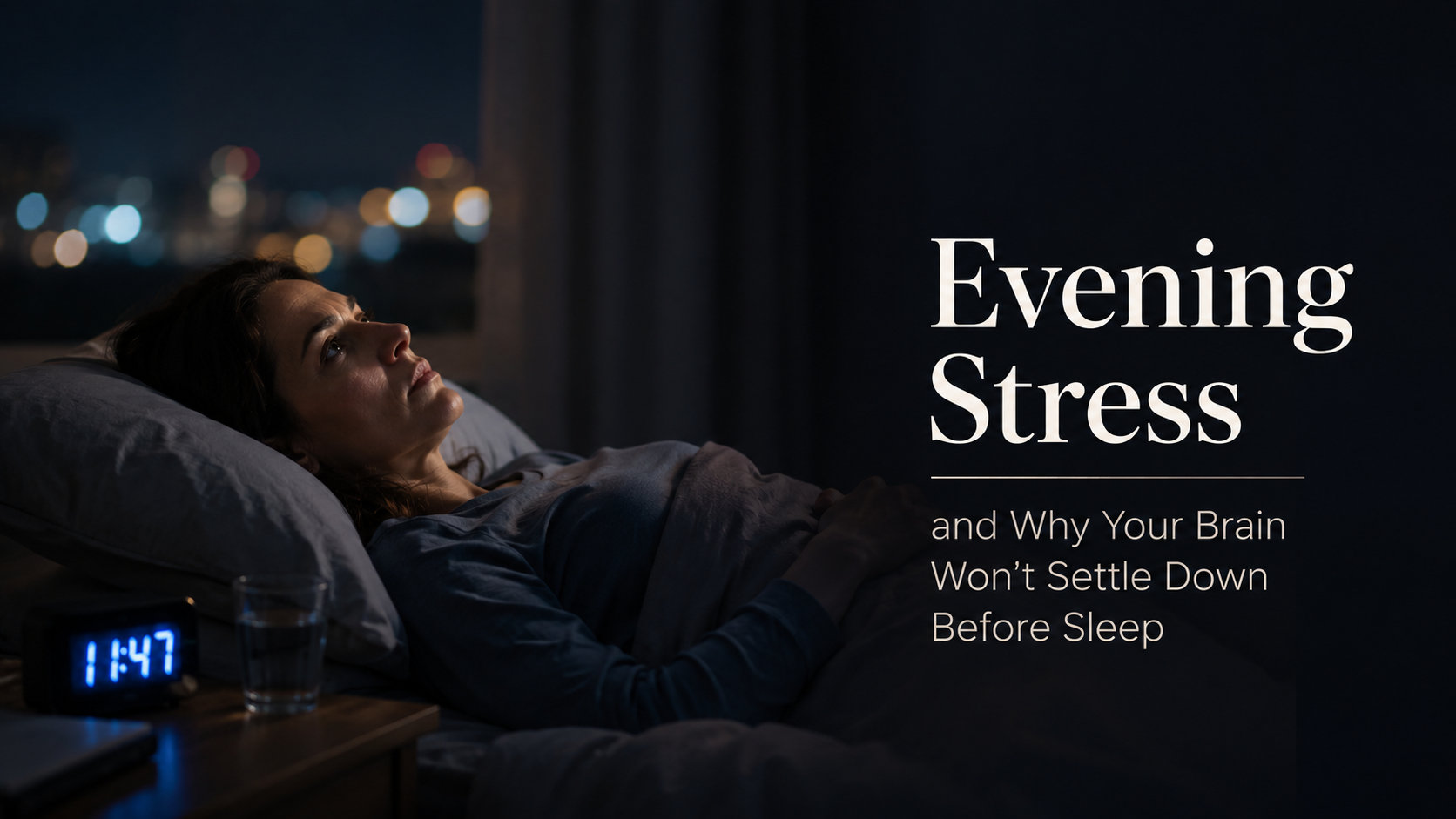
Evening Stress and Why Your Brain Won't Settle Down Before Sleep!
Falling asleep fast isn't the same as your brain settling down. What evening stress does to your sleep onset, and how to wind down when your mind won't.
Mr.Apps · Jun 22, 2026
- Sleep
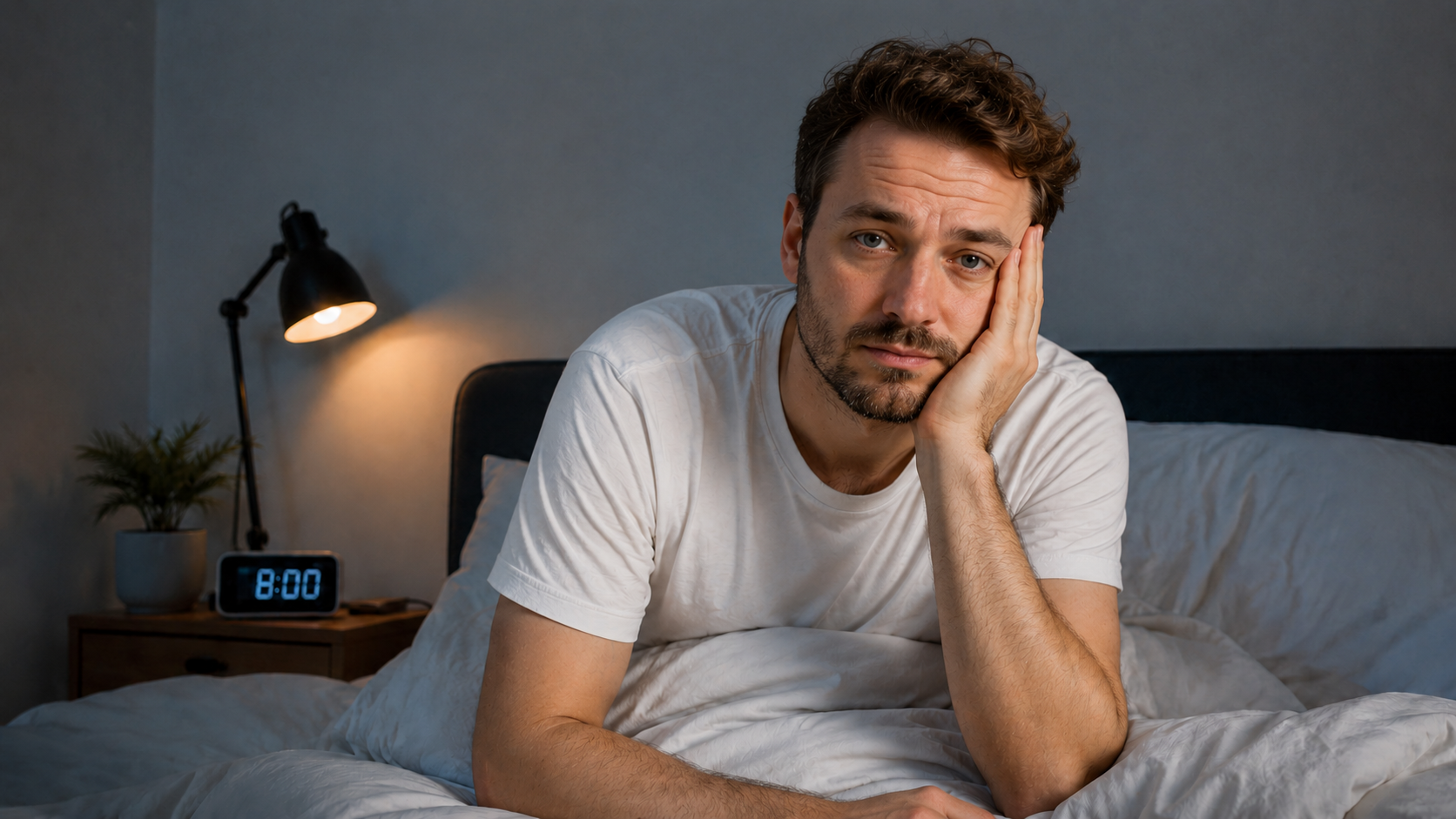
Why Am I Still Tired After 8 Hours of Sleep?
You slept 8 hours and still feel wrecked? Here's why sleep quality beats duration, what a dropping sleep score really means, and how to wake up with energy.
Mr.Apps · Jun 16, 2026